by Christina Bulford
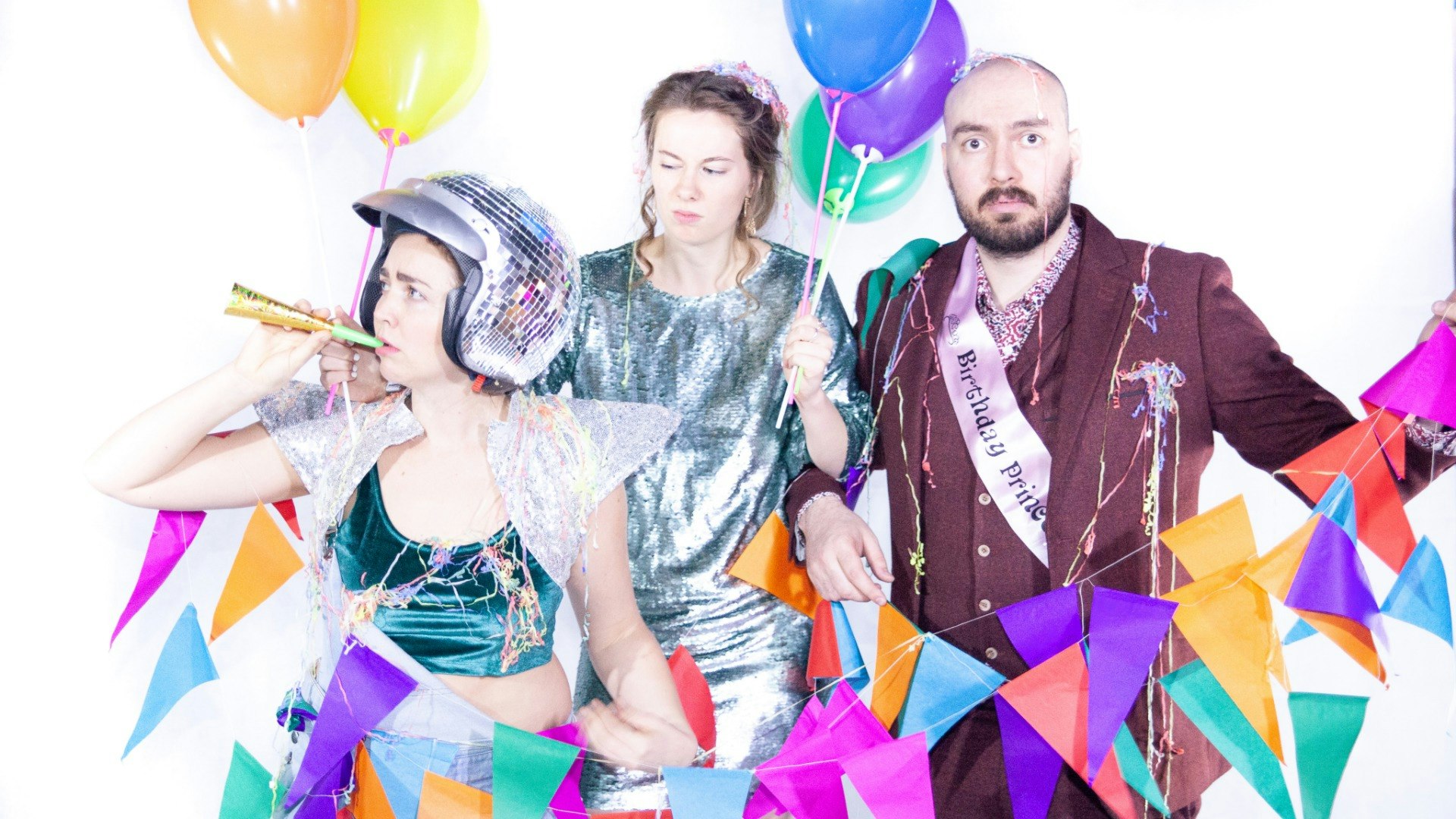
‘Tacenda’ is an archaic term meaning ‘the opposite of agenda’. Red Belly Black return to the Vaults with their third production, but a less clear idea of where they are going.

by Christina Bulford
‘Tacenda’ is an archaic term meaning ‘the opposite of agenda’. Red Belly Black return to the Vaults with their third production, but a less clear idea of where they are going.
by Maeve Campbell
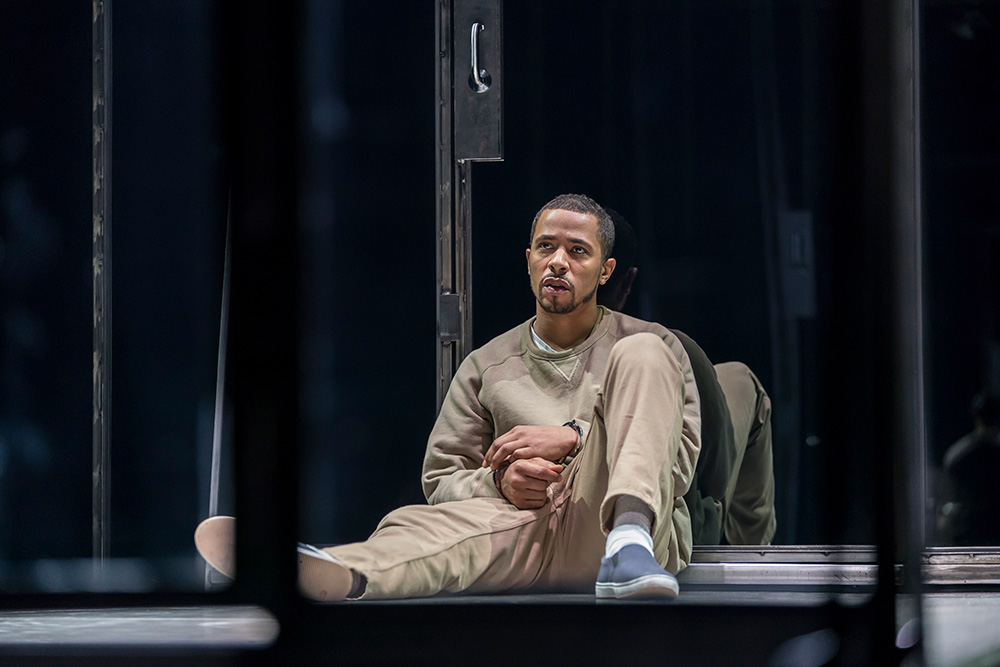
Angel Cruz has shot a man in the ass. He says he didn’t kill the religious cult leader, who
had apparently brainwashed his best friend Joey, but this man is now dead. This is where
we start Jesus Hopped the ‘A’ Train. What follows is a compelling exploration of guilt,
goodness and godliness as Angel, incarcerated in New York’s infamous Rikers Island,
confronts his emphatic public defender, a sadistic prison guard and a charismatic, born-
again Christian serial killer.
by Laura Kressly
CW: suicide and self-harm
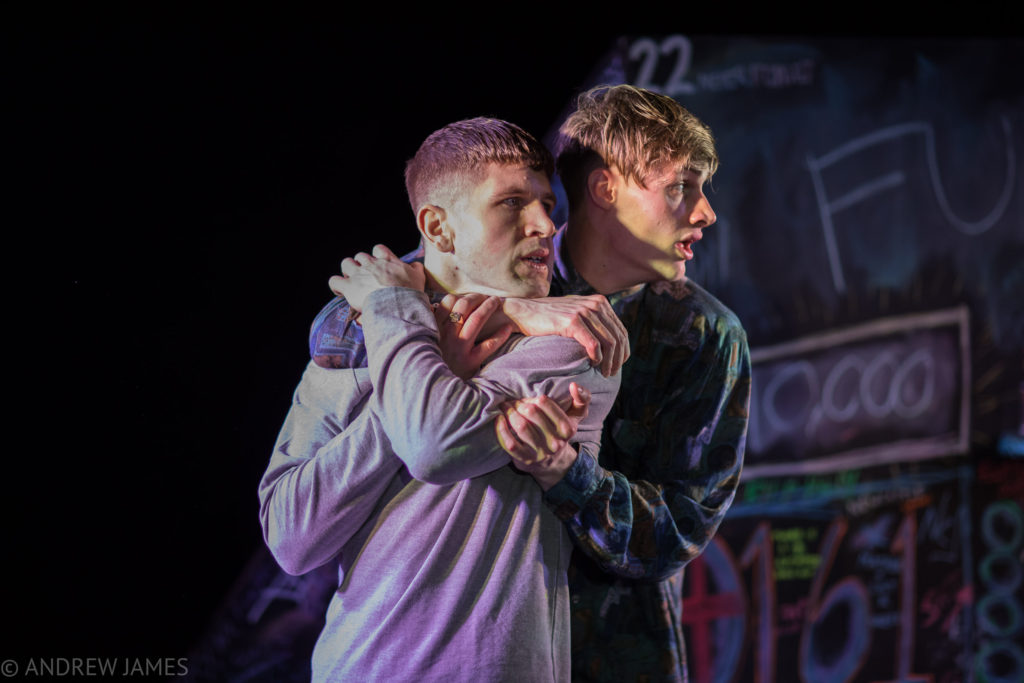
Mossy is only 22 but he’s tired of life. He can’t shake the feeling that there’s nothing more than this, so the best option is to call it a day and kill himself. His only concern is that his mum won’t be able to afford his funeral, so he convinces his reluctant mates to launch a fundraising campaign before he goes. Touching on toxic masculinity, male friendship, euthanasia and voyeuristic media consumption, this new script has some clumsy writing but the themes that propel the action forward to a surprising end smartly support the story of friendship.
By Meredith Jones Russell
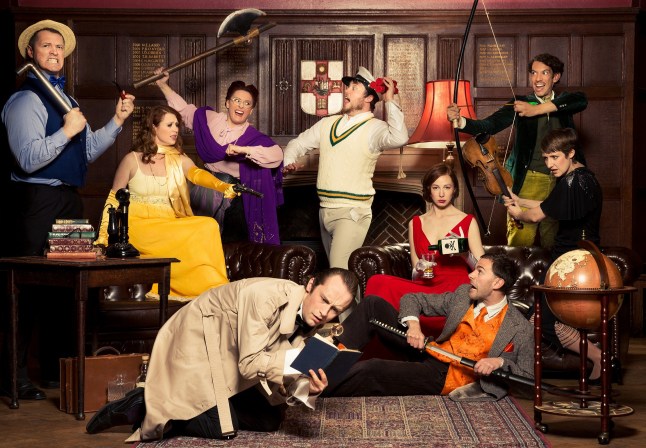
It was Andrew Green, in the Garden, with a Plant. No need for spoiler alerts, though. This was just the ending on the night I saw Murder She Didn’t Write, an improvised whodunnit comedy.
by Amy Toledano
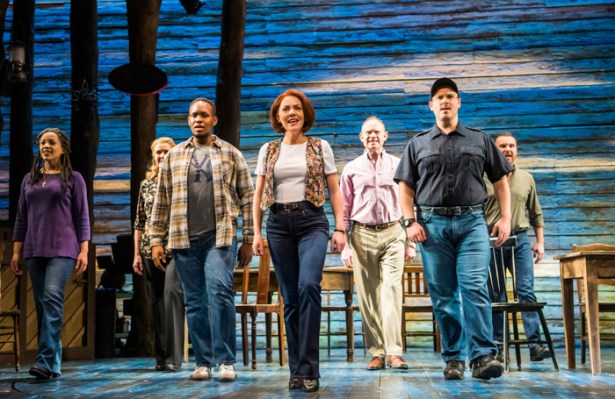
The community of Gander, Newfoundland in Canada, a tiny town with a population of 10,000, were the last people to expect their airport full of planes of stranded passengers on the day of the 9/11 events. However, this is exactly what happened, and as the delightful new musical Come From Away reveals, the townspeople rallied together and did their best to provide comfort to those grounded during the tragedy.

by Laura Kressly
Though King Edward II’s sexuality and the history surrounding his death are disputed by historians, Nick Bagnall takes a definitive stance in Marlowe’s history play. Here, the king is unquestionably gay and unashamed of his love for Piers Gaveston, one of his courtiers. It’s this unwavering love and devotion that gives ammunition to his enemies – a group of powerful barons, Scottish and French rulers, and even his wife – causing his violent and tragic downfall.

by Lara Alier
Walking upstairs to the performance space, I was wondering why are there only 12 of us and why hadn’t I investigated a bit more what am I about to watch. Or, as it turns out, what I am about to do. Around one, big table, there are twelve tablets and name tags saying Juror 5, 6, and so on. I am going to be part of the jury that would decide if a Doctor was guilty or not guilty of sexual assault.
by Louis Train
Birthright comes out the gate distracted: a sex joke, some meta humour, accents. It stays distracted, too, so at least it’s consistent. By the end of the play, one gets the sense of half a dozen stories and motifs started and abondaned; it interrupts itself.

by Joanna Trainor
Please, you’ve got to stop eating the floor mushrooms!
It’s 1989 in Oregon. Political scientist and author Francis Fukuyama has declared it the “End of History” as the Berlin Wall is pulled down and the Cold War is finished. And in the Malheur National Forest in Oregon, mushrooms are popping up all over the place.

by Joanna Trainor
“If you can replace your female character with a sexy lamp and the story still basically works, maybe you need another draft.” – Kelly Sue Deconnick
 The Play's The Thing UK