by Romy Foster
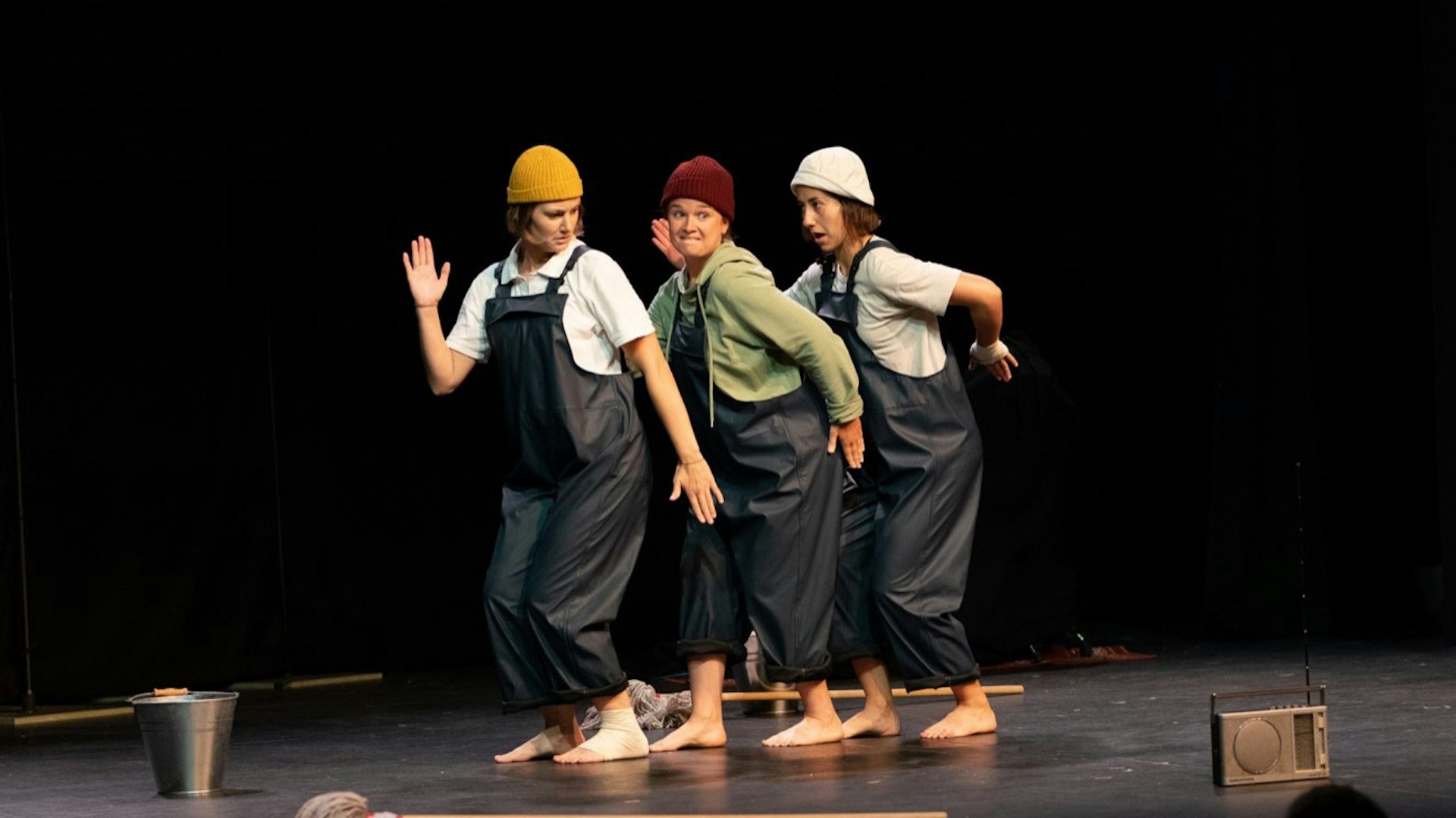
Silent Faces’ new show brings harmony between goofiness and grief. Their playfulness is infectious and the audience can’t help themselves but to giggle at the absurdity (and tea!) being fed to them over the hour.

by Romy Foster
Silent Faces’ new show brings harmony between goofiness and grief. Their playfulness is infectious and the audience can’t help themselves but to giggle at the absurdity (and tea!) being fed to them over the hour.
by Laura Kressly
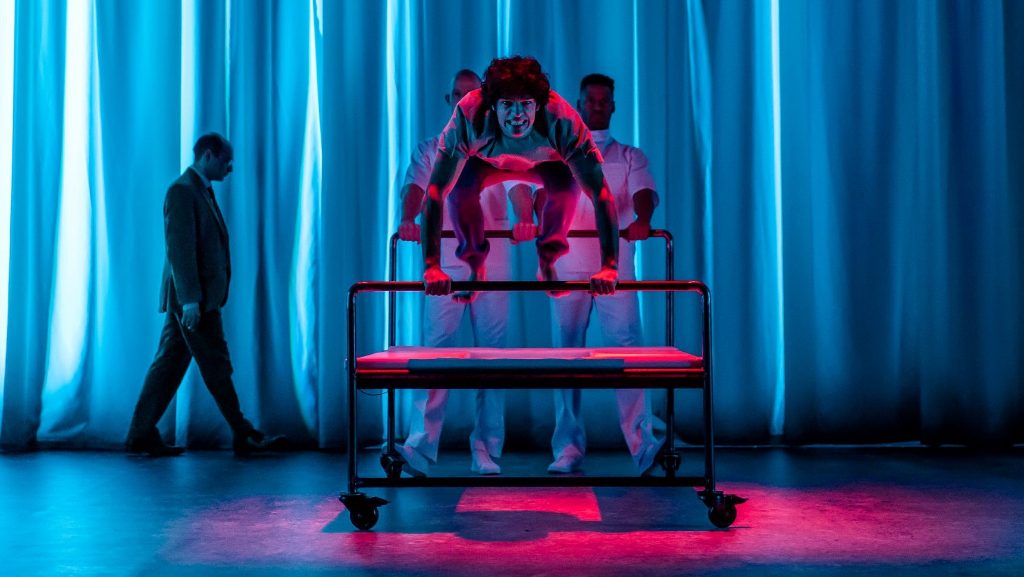
Sex and power rule the world – or at least they do in the 1970s, little England hospital where Peter Shaffer’s play unfolds. A child psychologist, known for his successful rehabilitation of troubled children, is questioning the value and morals of his work. At the same time, he reluctantly takes on a new patient, a young man who inexplicably committed a horrific crime that has rocked the local community. As the pair spar their way through the lad’s therapy sessions, both reveal secrets they are ashamed to keep.
by Laura Kressly
CW: suicide and self-harm
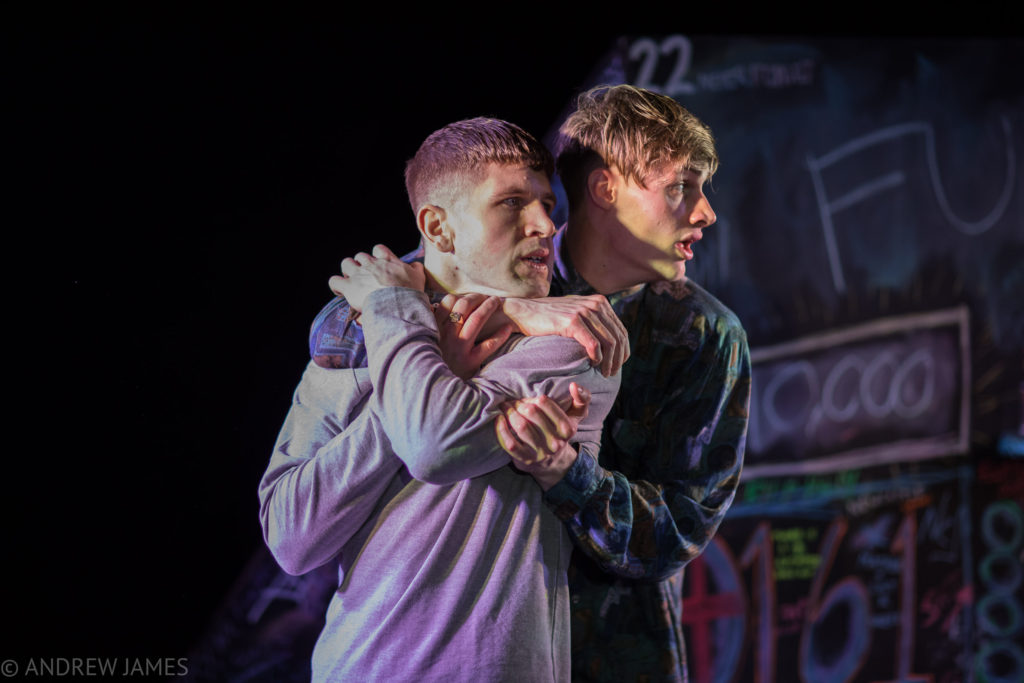
Mossy is only 22 but he’s tired of life. He can’t shake the feeling that there’s nothing more than this, so the best option is to call it a day and kill himself. His only concern is that his mum won’t be able to afford his funeral, so he convinces his reluctant mates to launch a fundraising campaign before he goes. Touching on toxic masculinity, male friendship, euthanasia and voyeuristic media consumption, this new script has some clumsy writing but the themes that propel the action forward to a surprising end smartly support the story of friendship.

By an anonymous guest critic
As the audience enters the small studio space, we see a young man scribbling animatedly on a legal pad. Whether he’s mentally troubled or just in an intense creative state, we’re not sure. The mystery of this young man named Trevor (played by the play’s author Scott Howland) unravels over the course of the next hour in this new production directed by Harriet Taylor.
By Laura Kressly
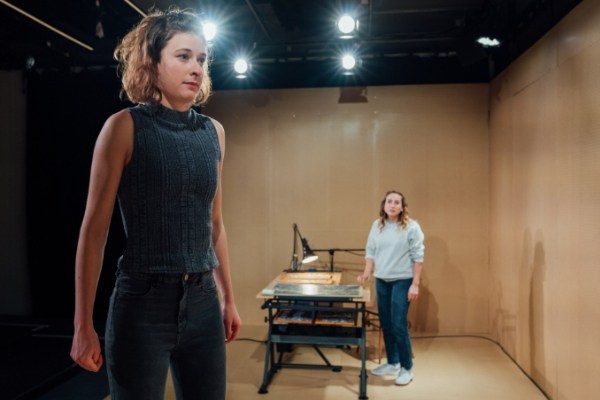
A woman sits at a drawing table analysing jigsaw puzzle pieces under an anglepoise lamp. On the other side of the stage, another woman rhythmically bounces on a small trampoline. What starts off as just another post-narrative, young theatre piece becomes a satisfyingly layered work questioning subjects as wide-ranging as ableism, friendship and polarising opinions.

by Amy Toledano
There have been several different mediums focusing on the story of the female prisoner, especially from the US and Gilded Butterflies, while following this same theme, pays particular attention to the prisoner herself. It gives her story a voice and allows for a deeper understanding of her perspective. This two-hander is a lovely exploration of not believing everything you hear.

by Romy Foster
As funky European folk music fills the air, actors buzz about the auditorium during the audience incoming, handing out vodka shots to the audience. Everyone is excited and the atmosphere is electric, setting us up for a feel-good show. Actually, My Love Lays Frozen In The Ice follows Mathilde (Jodie Davey) and her heart-breaking tale of how her finance, brother and friend died many years ago in a tragic accident.

by Romy Foster
“Calm yourself down, clench and breathe…” Tom utters to himself as he paces through a tube carriage, trying to keep a nervous shit within the safety of his bowels. Tiger Under The Skin is his one-man play based on his own life experiences living with a sudden bout of anxiety and panic attacks at the beginning of this year.

by Laura Kressly
Theatremaker and performance artist Bryony Kimmings hit rock bottom a few years ago. Her relationship was breaking down, her infant son was ill and her mental health was in tatters. To recover from the trauma, her therapist recommended a technique where she replays the traumatic events in her mind like a film. What better way to regularly go through this exercise than perform it every night?

by Laura Kressly
Theatre doesn’t need another all-white, all-male absurdist production ridiculing vulnerable people. Whilst fun in its staging and innovative in its storytelling, Flies lazily exploits cishet, male power dynamics in a Kafka-esque nightmare for fly-phobic Dennis whilst exploiting systemic, patriarchal structures to make him even more of a victim.
 The Play's The Thing UK