Box Clever, Edinburgh Festival Fringe

https://pbs.twimg.com/media/DF1QLy8XsAEOun3.jpg

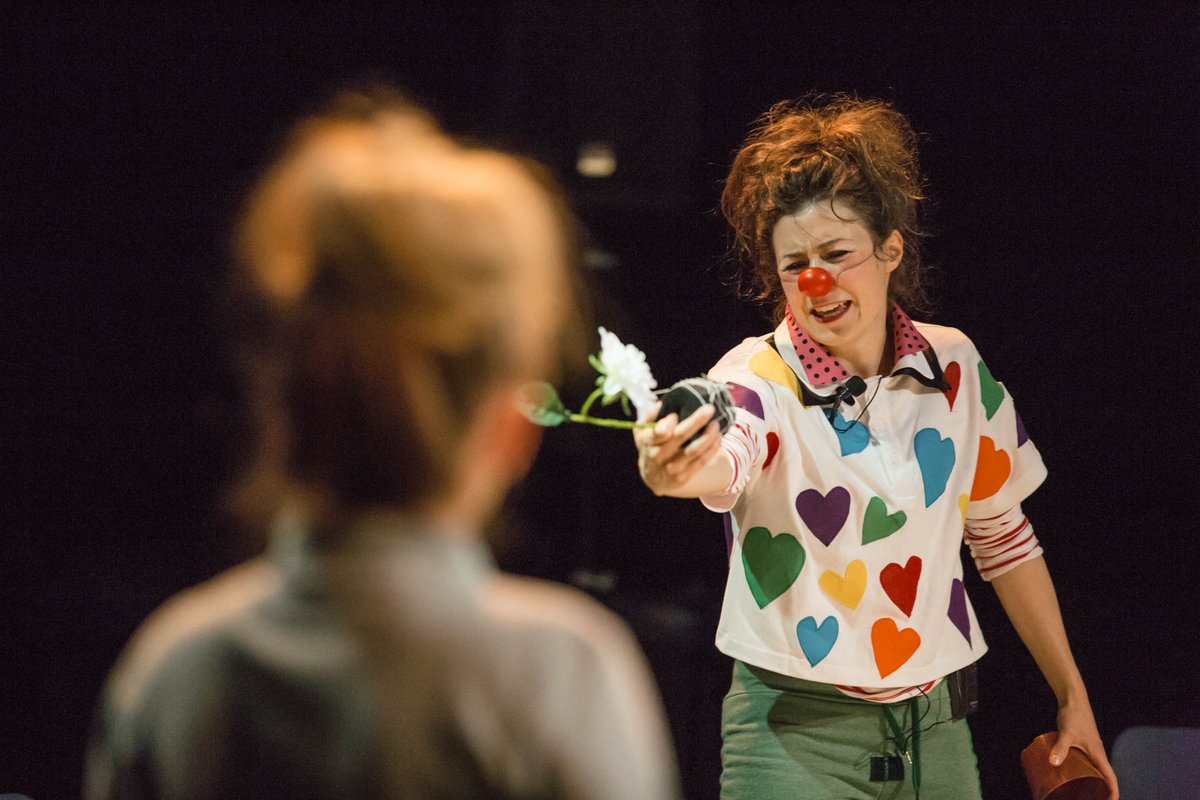
Marnie’s a 22-year-old single mum from Bermondsey and every day is a fight at the moment. Her mum’s harbouring Marnie’s abusive ex, the guy she’s in love with has a new bird who’s using the legal system to keep them apart and her daughter’s dad isn’t around. Marnie currently lives in a woman’s refuge and the shadow of social services is hanging over her.
Continue reading

Brutal Cessation and Dust, Edinburgh Festival Fringe

https://pbs.twimg.com/media/DG474zsW0AEfL3E.jpg

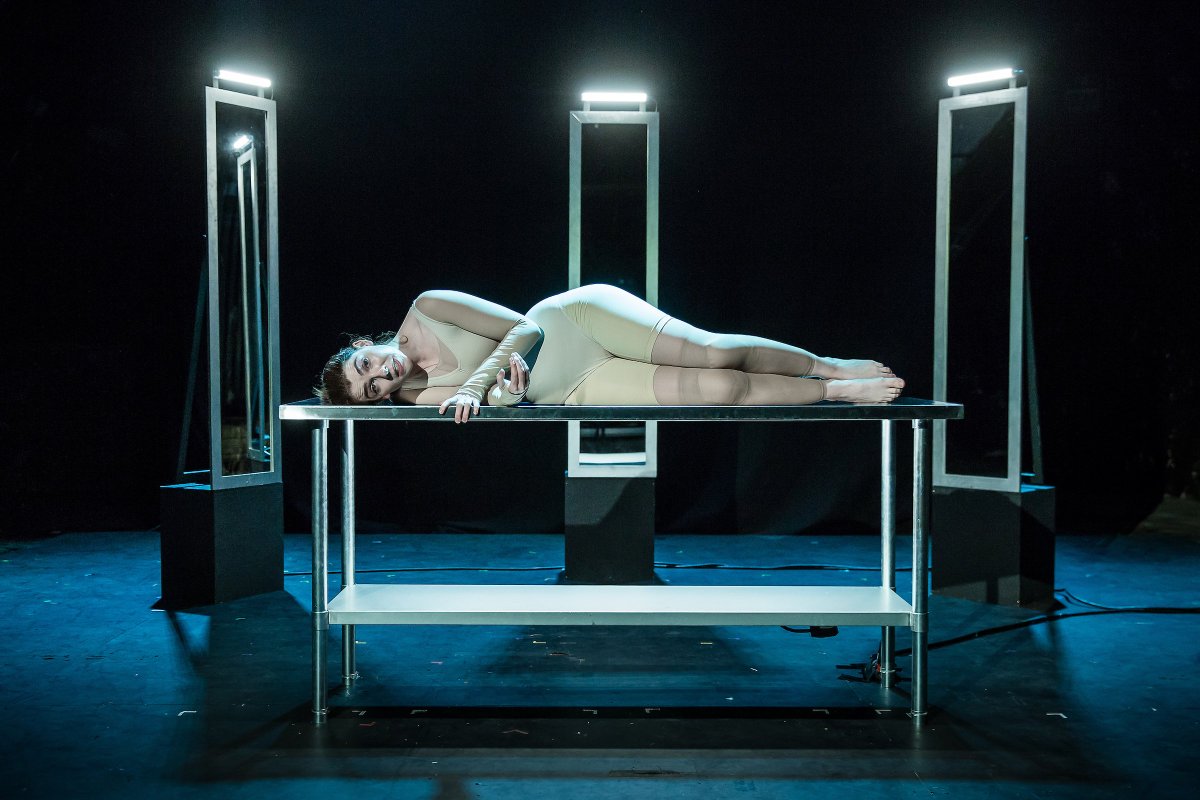
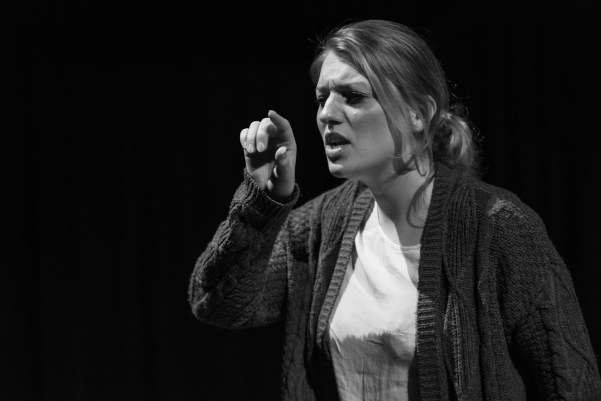
Actor and writer Milly Thomas is an unstoppable force refusing to shy away from tough material. A First World Problem, her most recent play, lays bare the cruel adolescent world of a top girls’ private school. Her two shows at the fringe are stylistically different from each other, but both are similarly confrontational. Brutal Cessation forces the audience to examine the gender stereotypes within an abusive, cishet relationship and Dust, the significantly stronger of the two works, is a monologue on mental health and suicide.

Continue reading

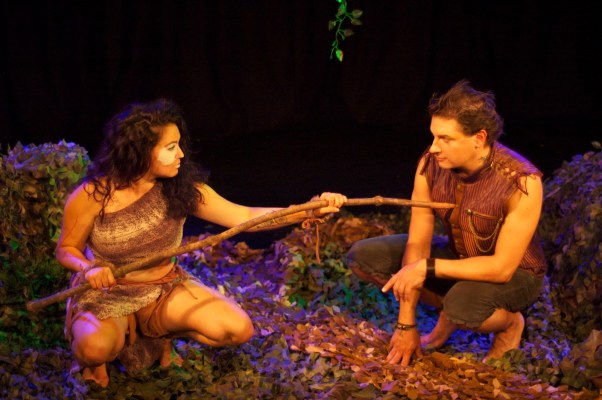
Changelings, Edinburgh Festival Fringe

Mowgli, a ferocious boy-child raised by wolves in the jungle, has been kicked out of the pack. He’s trying to figure out what to do next when he meets a mysterious creature from another world – or rather, another story. Puck has been watching Mowgli with unusually keen interest, so the two might be able to help each other out.

Continue reading

Mrs Orwell, Old Red Lion Theatre

https://theatreweekly.com/wp-content/uploads/2017/07/Cressida-Bonas-and-Peter-Hamilton-Dyer-in-Mrs-Orwell-credit-Samuel-Taylor..jpg

by guest critic Simona Negretto

In 1949, George Orwell lived the final months of his life in University College Hospital due to a severe case of tuberculosis. Torn between an uncertain faith in a recovery and the consciousness of the approaching end, hoping to write again, he decided to marry Sonia Brownell, a young and beautiful magazine editor. The marriage, as the play keeps reminding us, was a sort of pragmatic contra-deal conceived more out of interests than of love.

Continue reading

Girl From the North Country, Old Vic

https://cdn.thestage.co.uk/wp-content/uploads/2017/07/26173504/Girl-From-The-North-Country-Old-Vic--700x455.jpg

In Duluth, Minnesota, ships, trains and buses come and go under a sweeping midwestern sky heavy with snow. It’s 1934, the height of the Great Depression. A desperate, drifting populace chase the shadows of their debtors and rumours of work in and out of the port city.

Continue reading

Odd Man Out, Hope Theatre

https://i0.wp.com/mytheatremates.com/wp-content/uploads/2017/07/OddManOut_2guys_jul17.jpg?fit=648%2C404

A middle-aged, gay Welshman contemplates the English class he teaches in Hong Kong. Amongst the students is Windy, the Chinese woman with whom he shares his bed. Utterly smitten with her, he refers to her as his Pocahontas. He then kisses a barbie doll with long black hair and tanned skin.

Pocahontas was a Native American woman kidnapped by the colonising English in the 1600s, forced to marry, then taken to Britain. The same woman bore her husband a child then died, aged 21, after contracting a European illness.

Continue reading

Bechdel Testing Life, The Bunker

https://i0.wp.com/citizenshipandsocialjustice.com/wp-content/uploads/2014/12/BechdelTestIdea.jpg

Women don’t always talk about men.

It bears repeating because it’s often forgotten, ignored or not believed. Popular culture is particularly deaf to the sentiment, and theatre still likes to rely on this inaccurate gender trope. Whilst this has been slowly changing for some time, particularly on the fringe, it’s still a problem.

Continue reading

The Passion of the Playboy Riots, Hen & Chickens Theatre

https://www.londontheatre1.com/wp-content/uploads/2017/06/The-Passion-of-the-Playboy-Riots700-min.jpg

by guest critic Maeve Campbell

Backstage during three momentous Abbey Theatre productions, W.B Yeats’ Cathleen ni Houlihan (1902), J.M Synge’s Playboy of the Western World (1907) and Sean O’Casey’s The Plough and the Stars (1926), Yeats and Lady Gregory ponder the state of the Irish nation, and are every time interrupted by future revolutionary Patrick Pearse. An interesting idea, but not fully realised in Neil Weatherall’s The Passion of the Playboy Riots.

Continue reading