
by Laura Kressly
I reckon you can find any kind of furniture you’d like flatpacked. You can even buy flatpack houses. But would you purchase a build-your-own family member that’s totally programme to fit your idea of a perfect person?

by Laura Kressly
I reckon you can find any kind of furniture you’d like flatpacked. You can even buy flatpack houses. But would you purchase a build-your-own family member that’s totally programme to fit your idea of a perfect person?

by guest critic Gregory Forrest
On 10 September 2001 – the last day of a different time – Army Major Charles Ingram won the jackpot of ITV’s ‘Who Wants To Be A Millionaire?’ In the days that followed, the Twin Towers fell and producers of the quiz show made their case against the Major, his wife, and a coughing contestant who supposedly cheated their way to the million pound cheque. As one character observes, take a step back and the whole story sounds too silly to be true. Which is precisely why West-End regular playwright James Graham picks it up.
by Laura Kressly
Yokes (n.): Irish slang for ecstasy pills
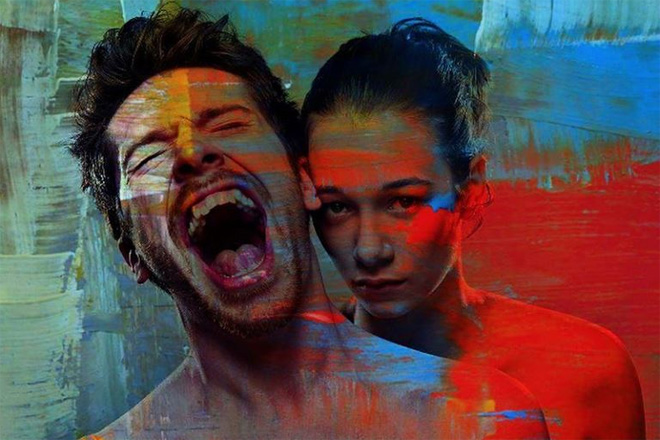
In March 2015, a governmental gaff meant that for one night only, all drugs were legal. The good people of Ireland duly took advantage of this accidental loophole, leading to a night of glorious mess and the inevitable disappointment that comes from overinflated expectations. Two people, Saoirse and Harry, fall out with their friends and connect with each other during the glorious chaos in this sweet yet predictable story.
by Laura Kressly
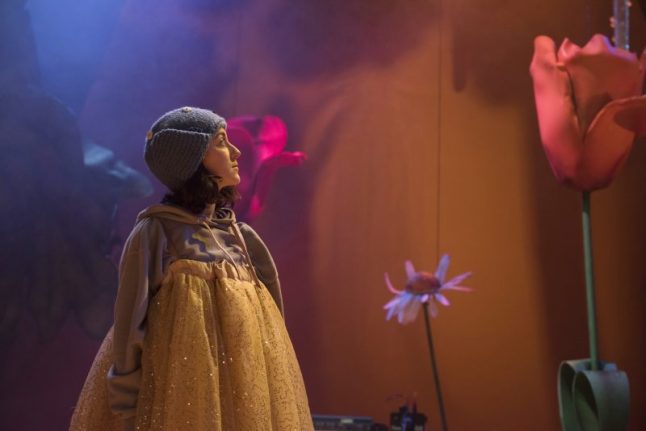
Kids are intuitive. They’re smart, observant and know a lot more about the world than adults think they do. Tim Crouch’s play where adults and children play each other and kids eventually run the show also proves that they aren’t that different from each other anyway. Whimsical design, innovative dramaturgical devices and an unwilling to patronise young people with obvious storytelling combine to create a marvellous and thoughtful piece of theatre for all ages.

by Laura Kressly
A woman is chained up in a damp cell. Alone, she is watched by an unseen group of men, afraid of her power. She rants, lectures and mocks them, gradually exposing the real reason she is imprisoned. It’s a pretty horrible thing, but her story of abuse, sexual power and society’s fear of strong women echoes like the howl of a wolf.

by Laura Kressly
Ruffrino is a revolutionary. With a rucksack full of equipment and signs, he’s ready to wake up the sleeping masses to the plight of black people in America.

by guest critic Alex Dowding
So what really happens when the fat lady sings? If it’s anything like Red Belly Black’s accomplished take on on the exquisitely human experience of grief and letting go, expect laughter, tears and harsh truths served with a glittering side of live music.

by guest critic Alex Dowding
Sexual assault: It’s sadly been around since the dawn of time, and despite being in focus more than ever now since the #MeToo movement took off on social media, it may not ever go away. Here Imogen Butler-Cole alongside the charity He For She aims to de-stigmatise the dialogue surrounding it with a movement-heavy solo piece.

by Laura Kressly
Critics don’t enjoy writing pans. We don’t review because we want theatre to be bad. Quite the opposite – every time we take a seat, whether it be plush and commercial or a bench on the fringe, we hope the show we’re about to watch is the best thing we’ve ever seen. But we’re duty-bound to be honest.

by guest critic Maeve Campbell
Hal Asby’s 1971 film Harold and Maude is a masterpiece. Harold is nineteen and
obsessed with death. He meets Maude, a week off eighty, who lives her life to its fullest
and is constantly seeking new experiences. Opposites attract, and what plays out is one
of the most charming, unusual and sincere romances in celluloid history. Thom
Southerland’s Charing Cross Theatre revival is lovely but misses out on the sincerity
that helped garner the film’s cult classic status.
 The Play's The Thing UK