
by Lauren Gauge
Written with deft humour, Mouthpiece is a sharp scalpel used to dissect the highly sensitive and nuanced issues of representation, consent, agency and the ongoing ignorance between the opposing ends of the class system.

by Lauren Gauge
Written with deft humour, Mouthpiece is a sharp scalpel used to dissect the highly sensitive and nuanced issues of representation, consent, agency and the ongoing ignorance between the opposing ends of the class system.
by Meredith Jones Russell
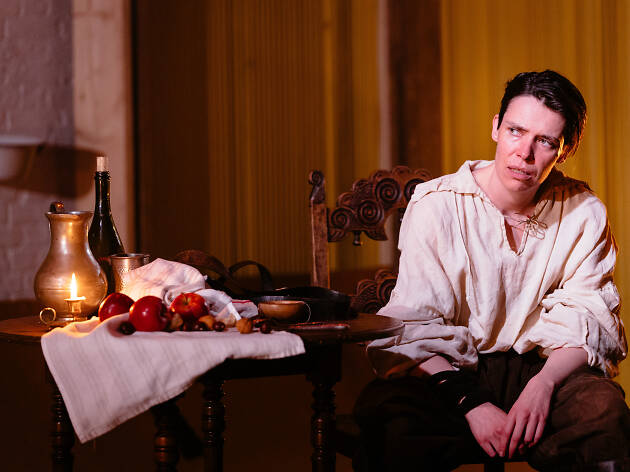
Chairs set out with the name of each character written on the back suggest at first glance that the Yard’s staging of Arthur Miller’s The Crucible will be stripped-back and basic. As the cast enters, reciting the full text including stage directions in their own clothes and accents, it feels like a reading. Only the stackable, institutional chairs themselves hint at what is to come; this could be a committee meeting at a small town village hall where members of a tight-knit community meet to air their concerns and dole out justice.
by Laura Kressly
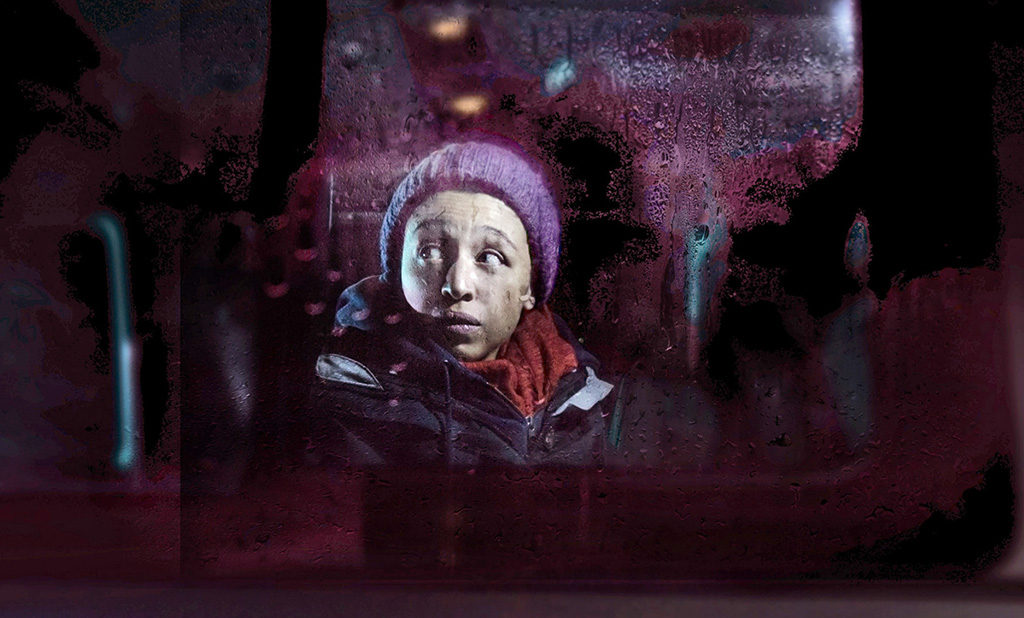
At the start of what seems to be a fairytale, we meet Nour and Yumna in their tiny house. They have just enough space for the two of them and all the things they need. Though Yumna’s ears don’t work, she’s teaching her language to the little girl she’s raising on behalf of her best friend whose gone to make a new life in a faraway land. They are happy, want for nothing, and their days are full of light, love and stories. But the bombs are getting closer, the men with guns are ever more threatening, and Nour’s mother could send for her at any point.
by Amy Toledano
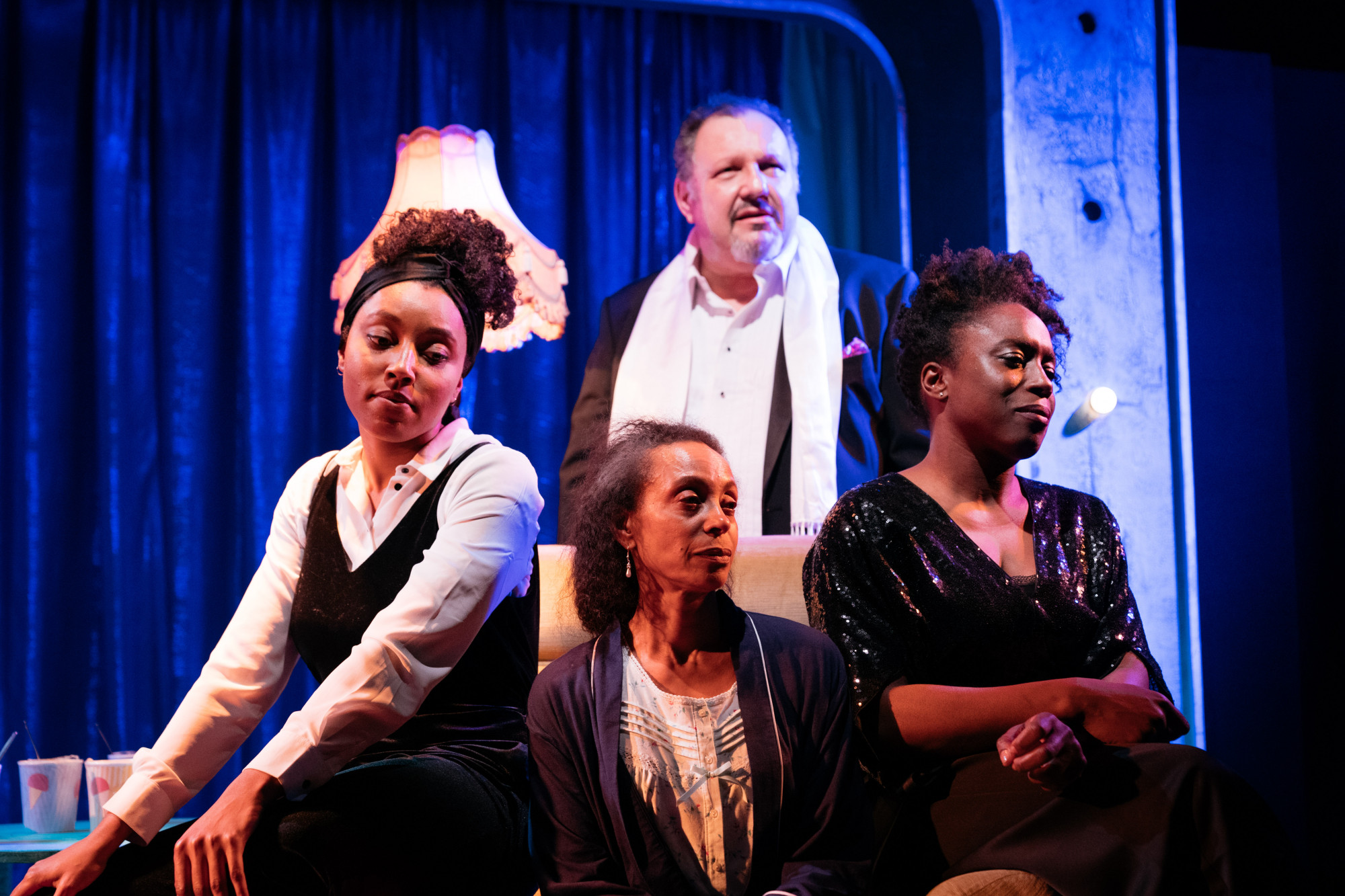
What does someone do when the person they have spent their entire life with disappears? When does the decline of a life begin? Is it with the first grey hairs, or when you first starting receiving your pension?

by Hailey Bachrach
SIX knows exactly what it’s doing wrong, which is what makes it so aggravating. After an hour of catty jostling between the six ex-wives of King Henry VIII, who are competing in song to see who had the worst time of it, the show turns around and tries to scold itself for pitting the women against each other. It’s the ultimate in cheap, have-your-cake-and-eat-it moments: get the laughs, then admit they were lazy ones.

by Laura Kressly
Roger’s an average guy down on his luck, living with his girlfriend after being made redundant and wishing he could see his son more. Still bitter about his divorce and losing his job, he passes time wondering aimlessly around the internet. When he emerges from a youtube rabbit hole that led him to the user Angry Alan, Roger feels like he’s woken from a long sleep. The Men’s Rights Movement has gained another disciple.

by Laura Kressly
Peter and Gladys pass their days tending potted plants and journaling. Life is quiet as they reflect on their lengthy pasts, stretching out behind them like toxic shadows. Neither are happy in their shabby, all-white suburb tense with apartheid-era legislation, but a visitor that evening may just be the thing they need.
by Laura Kressly
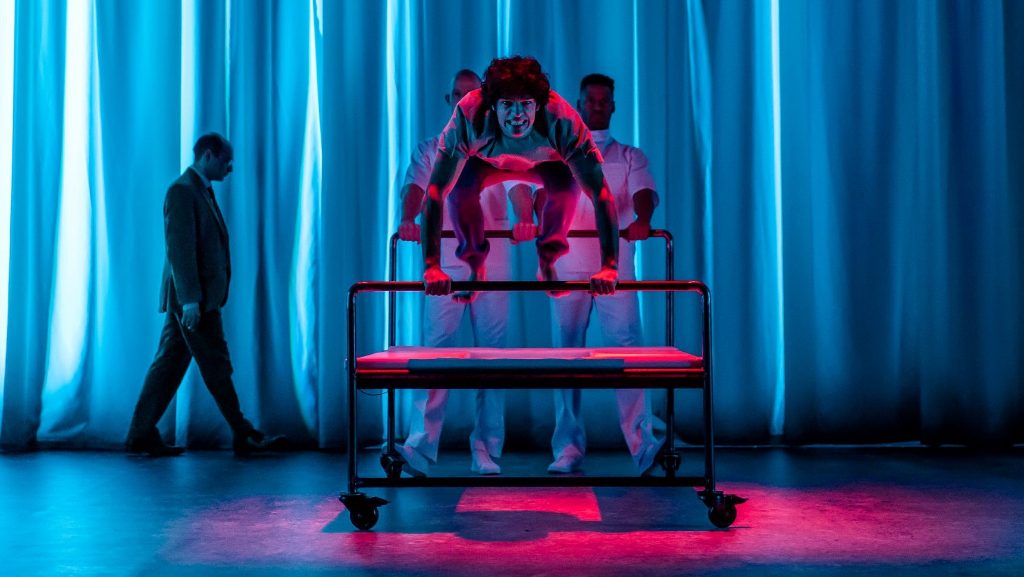
Sex and power rule the world – or at least they do in the 1970s, little England hospital where Peter Shaffer’s play unfolds. A child psychologist, known for his successful rehabilitation of troubled children, is questioning the value and morals of his work. At the same time, he reluctantly takes on a new patient, a young man who inexplicably committed a horrific crime that has rocked the local community. As the pair spar their way through the lad’s therapy sessions, both reveal secrets they are ashamed to keep.

by Laura Kressly
Decked in their finest formal wear, a chamber orchestra entertains the punters in a post-war Parisian cafe. During their songs, they are a picture of beautiful unity. In between? Not so much. The absurd and darkly comic backstabbing and in-fighting builds to a crescendo that ends in tragedy, but the production is ultimately unsatisfying.
by Laura Kressly
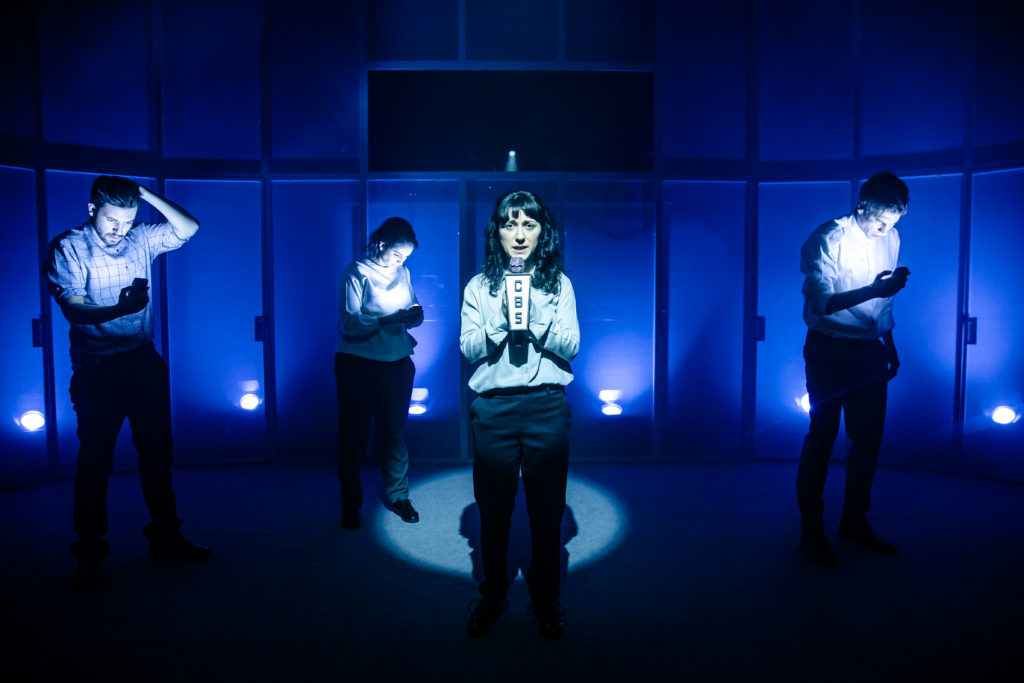
Orson Welles’ 1938 broadcast of The War of Worlds caused widespread panic with its reports of an alien invasion in New Jersey. Or did it? Did the newspapers exaggerate the reaction to sell papers, the way websites now use clickbait for hits?
 The Play's The Thing UK