The Unicorn in Captivity, Lion and Unicorn Theatre

by Diana Miranda

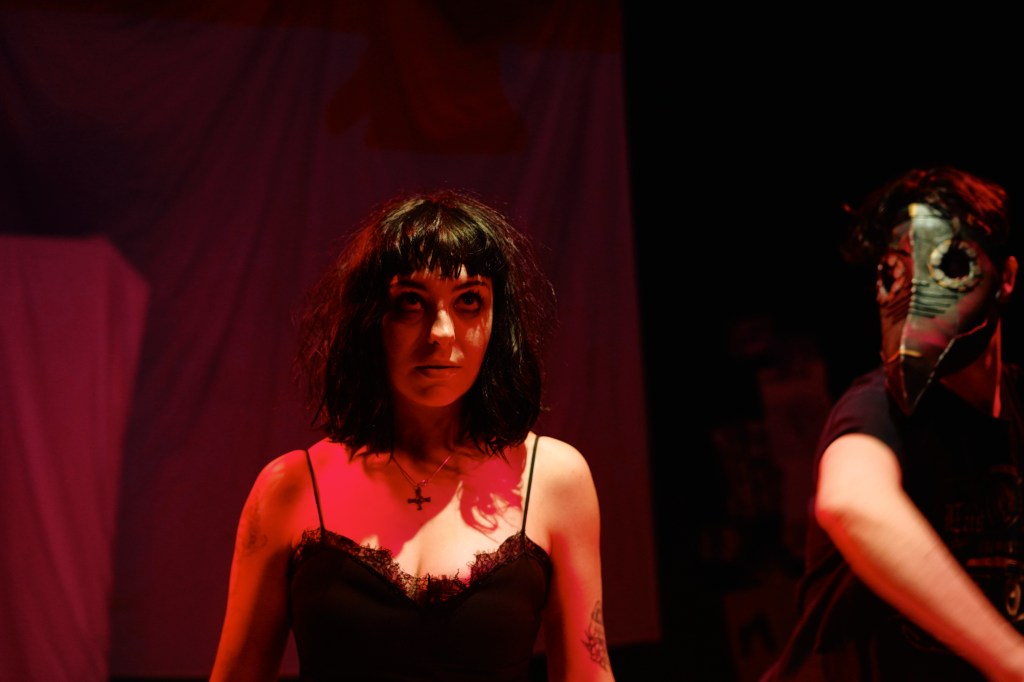
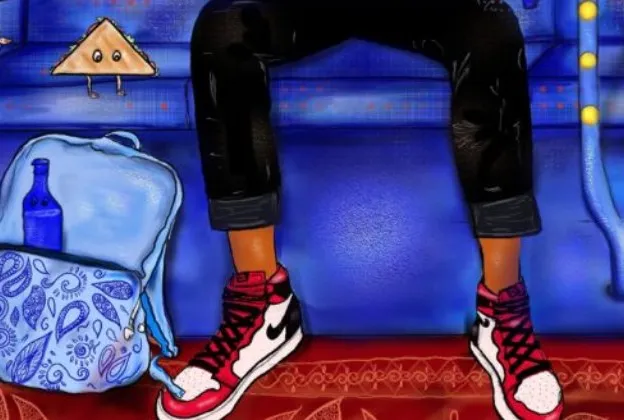
Written by Angelika May, The Unicorn in Captivity is a powerful tragedy that explores the ways patriarchal systems —from the NHS to art institutions — diminish and fetishise the experience of women grappling with chronic illness. 

Continue reading

Cutting the Tightrope, Arcola Theatre

by Luisa De la Concha Montes

Cutting the Tightrope hosts a series of short sketches that are united by the same topic: censorship. It was created as a direct response to the Arts Council England’s now retracted guidance that political statements made by individuals linked to an organisation can cause reputational risks. From the war in Gaza to the rise of authoritarian regimes, each sketch explores the political, social and emotional effects that the lack of freedom of expression may have.

Continue reading

Cassie Workman: Aberdeen, Soho Theatre

by Zahid Fayyaz

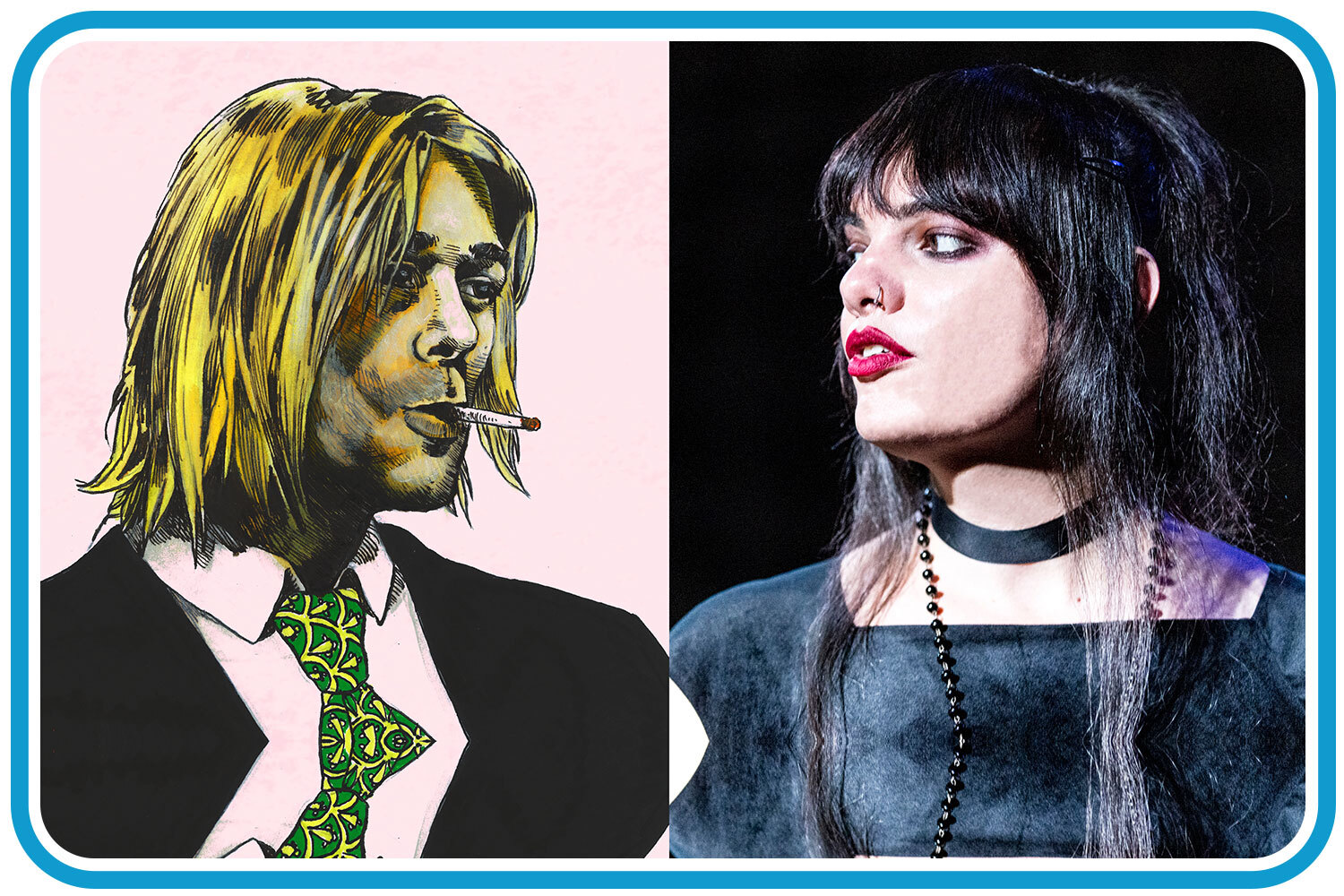
Fresh from a successful run at the Edinburgh Fringe, Cassie Workman brings her lyrical 55-minute poem to the intimate upstairs space at the Soho Theatre. A spoken-word performance of uncommon intensity, it tells the fictional and fantastical story of the narrator traveling back in time to try to save Kurt Cobain from committing suicide. It touches on additional, more universal themes and issues however, so it isn’t just for the Kurt Cobain fans to enjoy.

Continue reading

Unseen Unheard, Theatre Peckham

by Euan Vincent

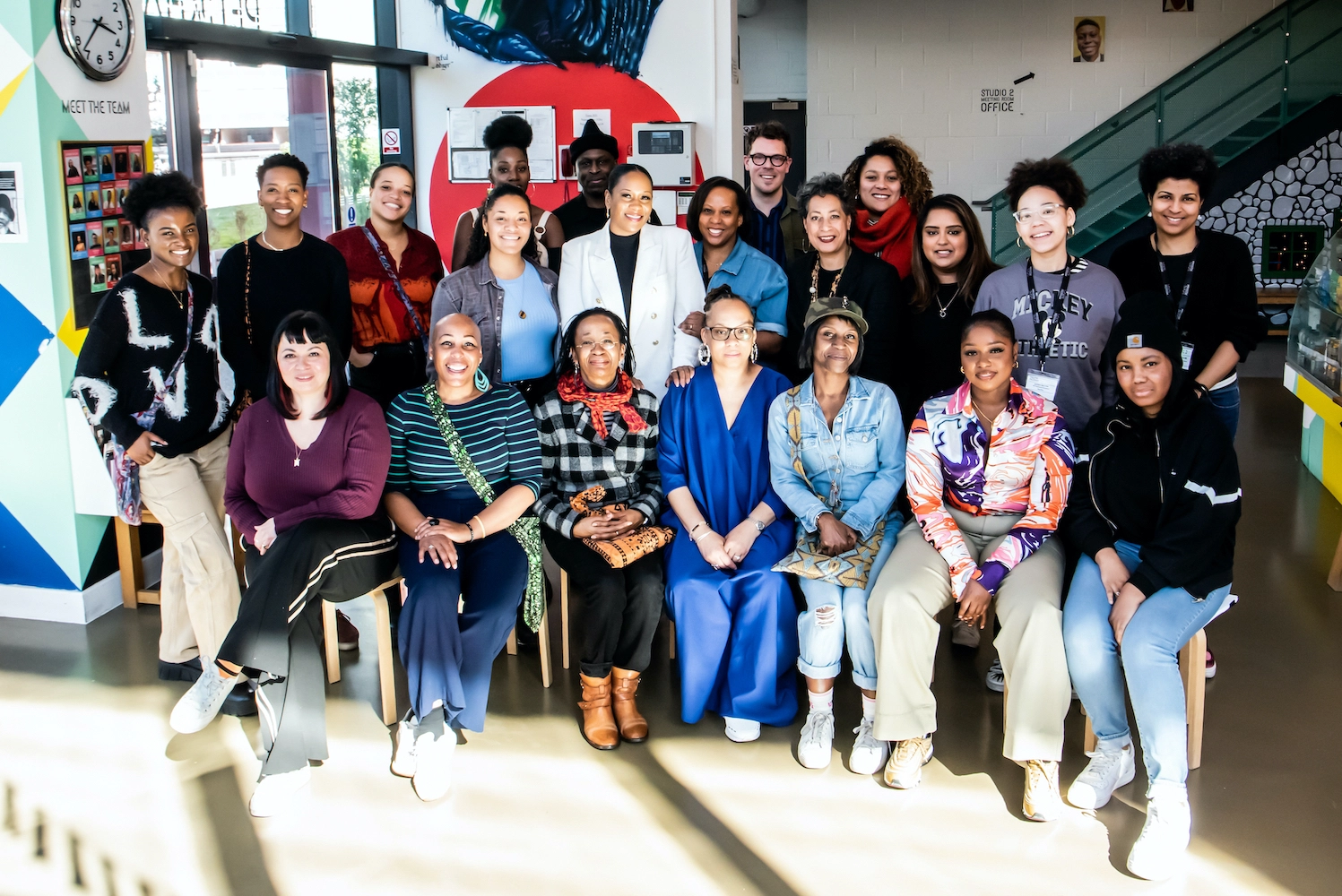
Unseen Unheard, a show seeking to improve the representation of Black women with breast cancer, is a co-production between Black Women Rising and Peckham Theatre. The production emerged from the real stories of black women’s struggles after a cancer diagnosis and the myriad problems that the system affords them, based on their race. From the belief that black women don’t feel pain – “they see us as superhuman and subhuman at the same time” – to the absence of prosthetics of an appropriate skin tone, point to health inequities that the statistics sadly bear out. Black women are 28% more likely to die from a triple-negative breast cancer diagnosis than white women with the same diagnosis.

Continue reading

Family Tree, Brixton House

by Luisa De la Concha Montes

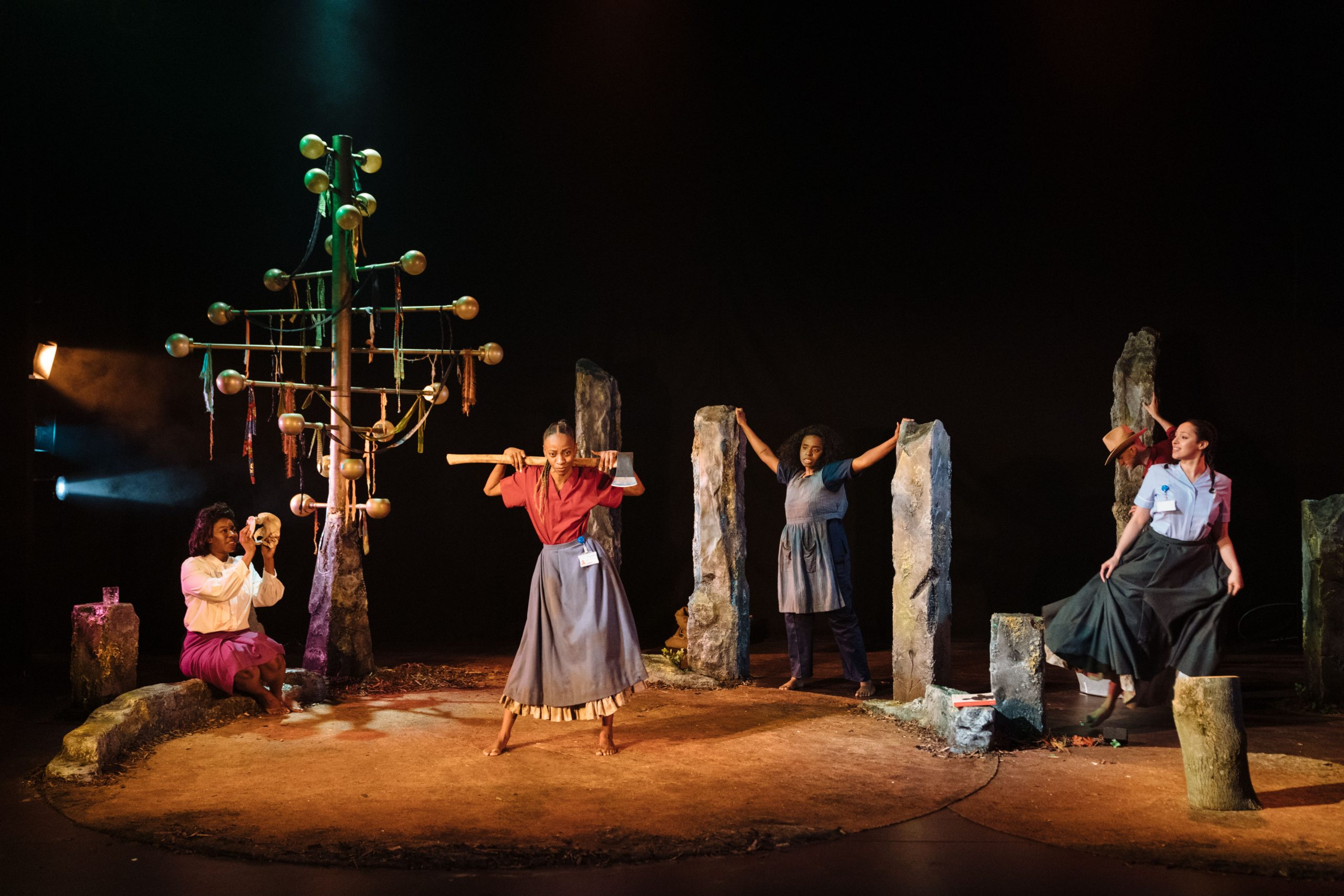
This is an innovative play that presents the true history of Henrietta Lacks, a Black woman whose cancer cells were used to create the first immortalised human cell line. It opens with a rhythmic, spoken-word monologue delivered by Henrietta (Aminita Francis). We soon learn that her DNA, nicknamed by herself as “Did Not Ask”, was non-consensually taken from her body in 1951. It has since served as the key basis for medical research, including the development of HIV vaccines, investigation of cancer cells and more recently, the COVID vaccine.

Continue reading

Honour-Bound, VAULT Festival

by Zahid Fayyaz

This is a one-woman show with an accompanying musician, three chairs and a suitcase that tells the story of a British South Asian student, focusing on the beginning of her relationship with Jay at university. However, in between the descriptions of university life, there is a looming sense of dread and violence due to her family not approving of her match and what happened to her friend who went against her family’s wishes.

Continue reading

Theatre of Gulags, VAULT Festival

by Luisa De la Concha Montes

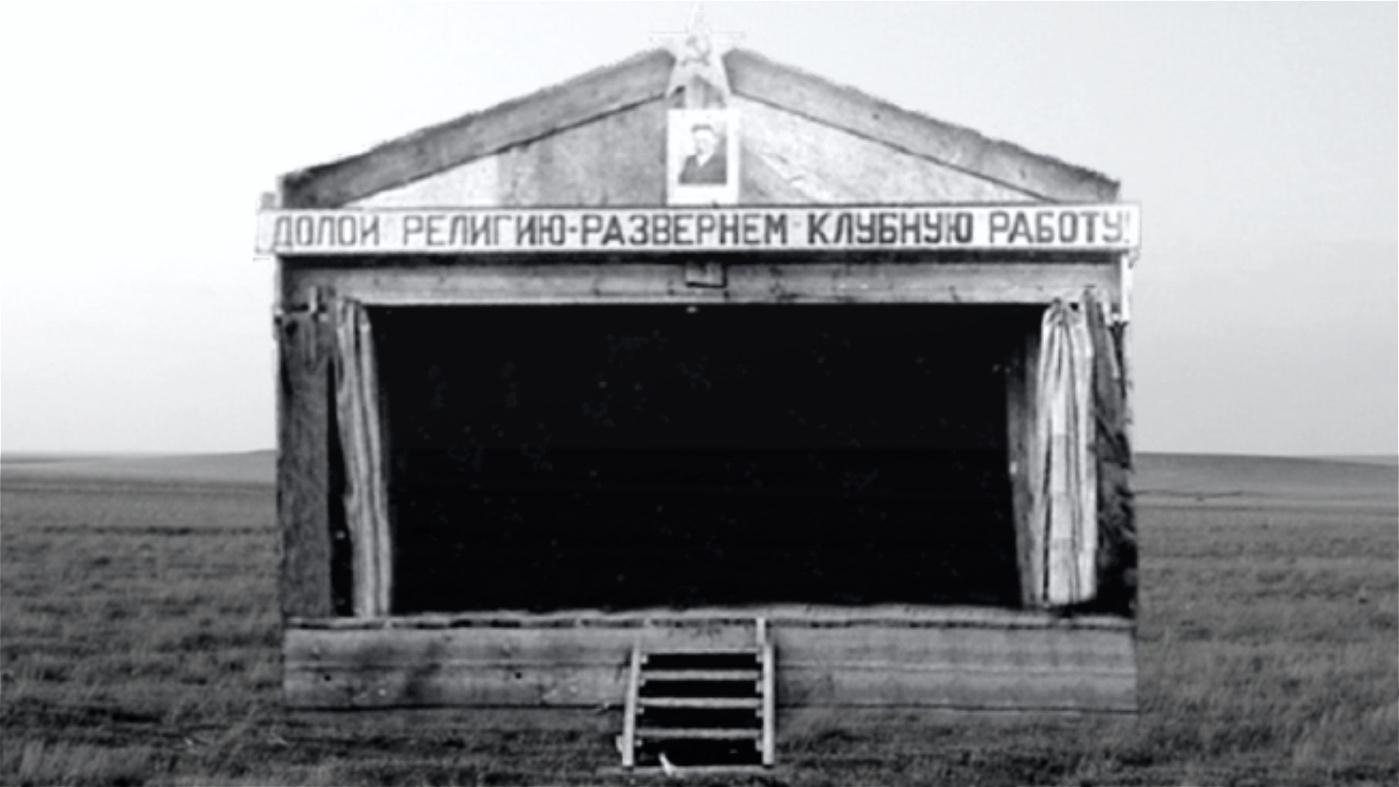
Theatre of Gulags tells a story of art and resistance within USSR labour camps. Panning across five detached, yet narratively linked stages, this theatrical installation follows the story of four artists: theatre director Les Kurbas, director Natalya Sats, musician Vadim Kozin and writer and puppeteer Hava Volovich.

Continue reading

Dark Matter, VAULT Festival

by Laura Kressly

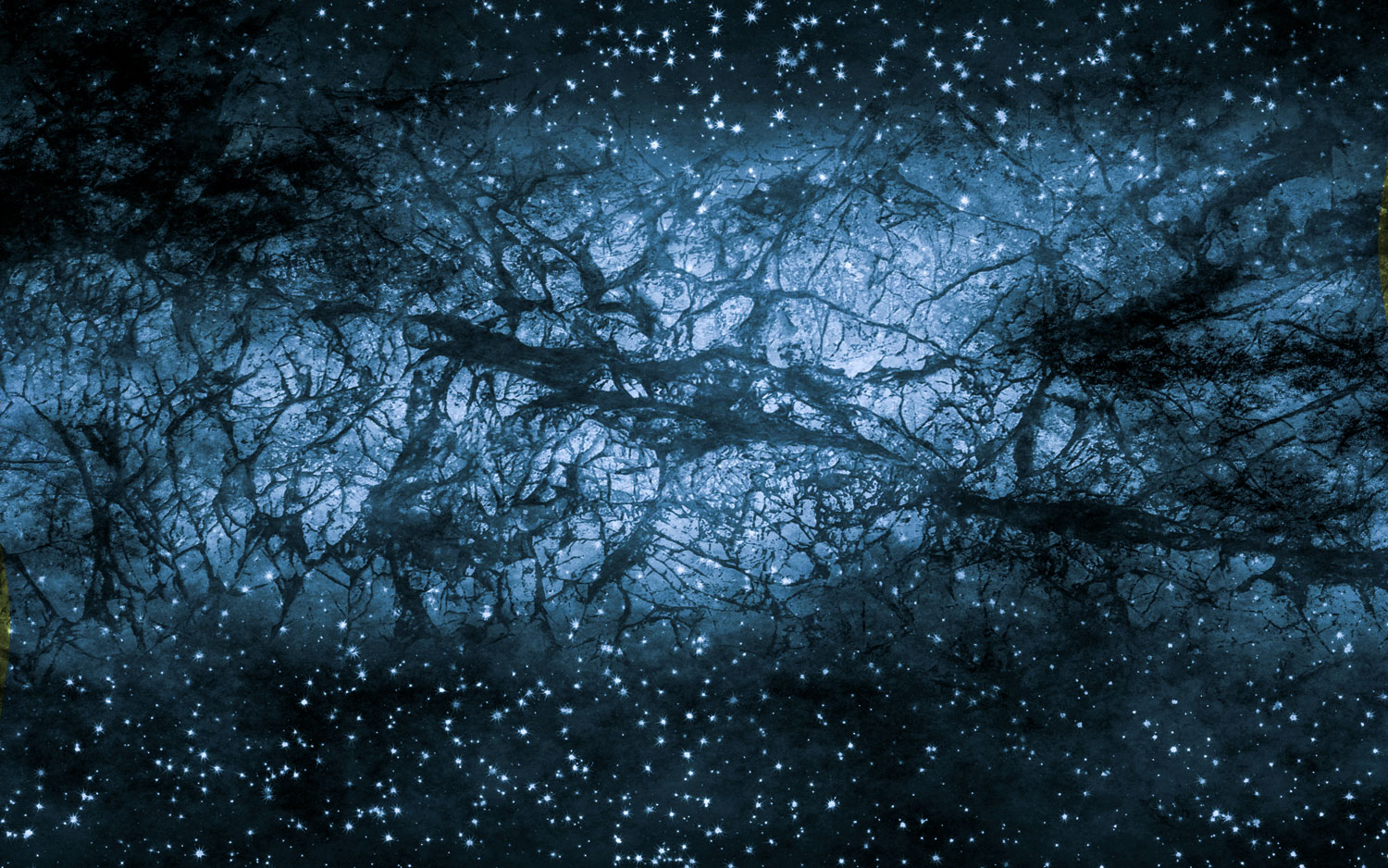
In the most supportive of circumstances, grief can feel insurmountable. It’s even harder for a young queer Londoner whose family is in Zimbabwe. How does Takura ensure her Mbuya is mourned properly and what is her relationship to her ancestors, anyway? In a space somewhere between clubbing, Co-star, quantum physics and ancient rituals, she improvises building a bridge to the ancestral plane. A vulnerable and exposing struggle with borders and contrasting cultural norms, this is a considered reflection on how we deal with a loved one’s death.

Continue reading

Under Heaven’s Eyes, VAULT Festival

by Laura Kressly

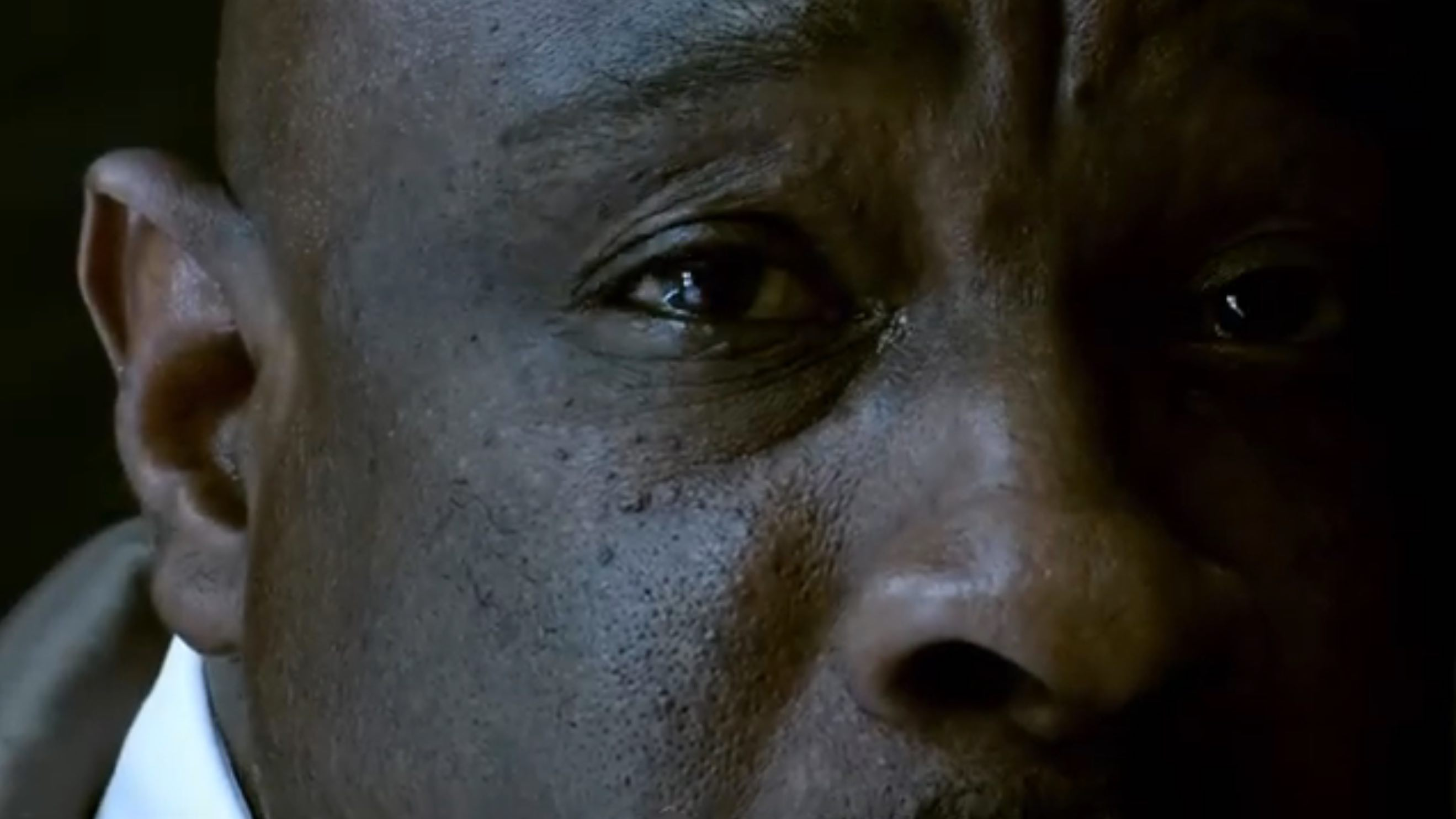
George Floyd’s murder in 2020 was the catalyst for worldwide Black Lives Matter protests against systemic racism. Though at the time white governments, institutions and individuals made loud commitments to fight racial injustice, there has been a lack of meaningful change since then. By drawing on numerous recent and historical acts of violence against Black people, theatremaker Christopher Tajah’s solo performance reinforces just how deeply racism runs in white supremacist societies.

Continue reading

Dido’s Bar, Royal Docks

by Archie Whyld

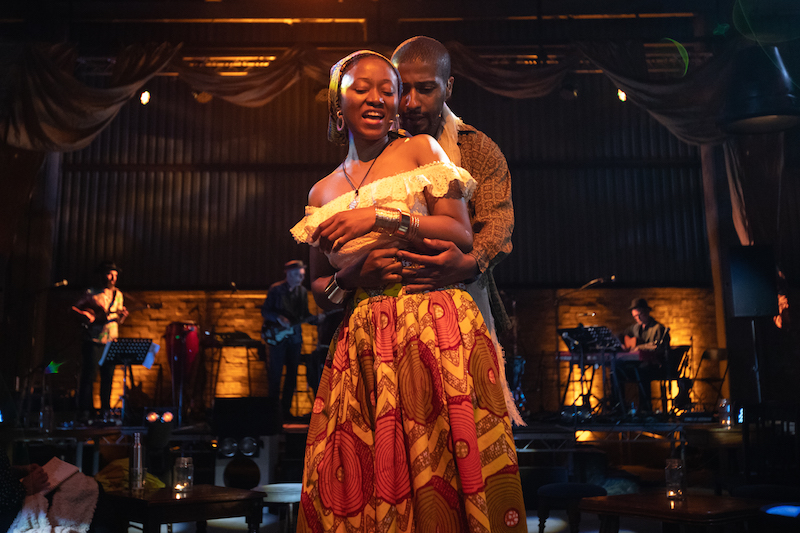
It struck me that the journey to Dido’s Bar, through east London, past City Airport and to a warehouse adjacent to Tate and Lyle’s sugar refinery, allows us to imagine what it feels like to be a new arrival in a strange world. And this, Dido’s Bar, a reimagining and retelling of Virgil’s Aeneid, centres Dido’s narrative, namely her experience as a refugee in a foreign land.

Continue reading