Brown Boys Swim, Soho Theatre

by Laura Kressly

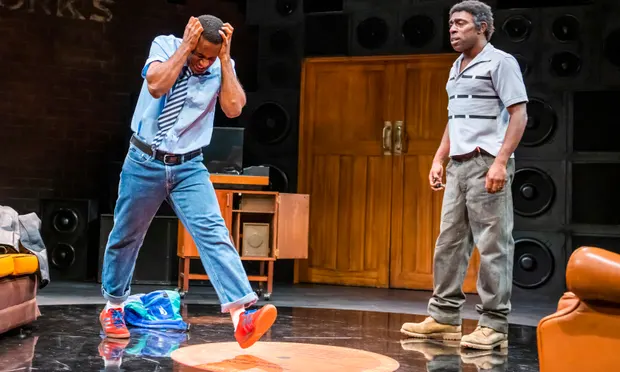
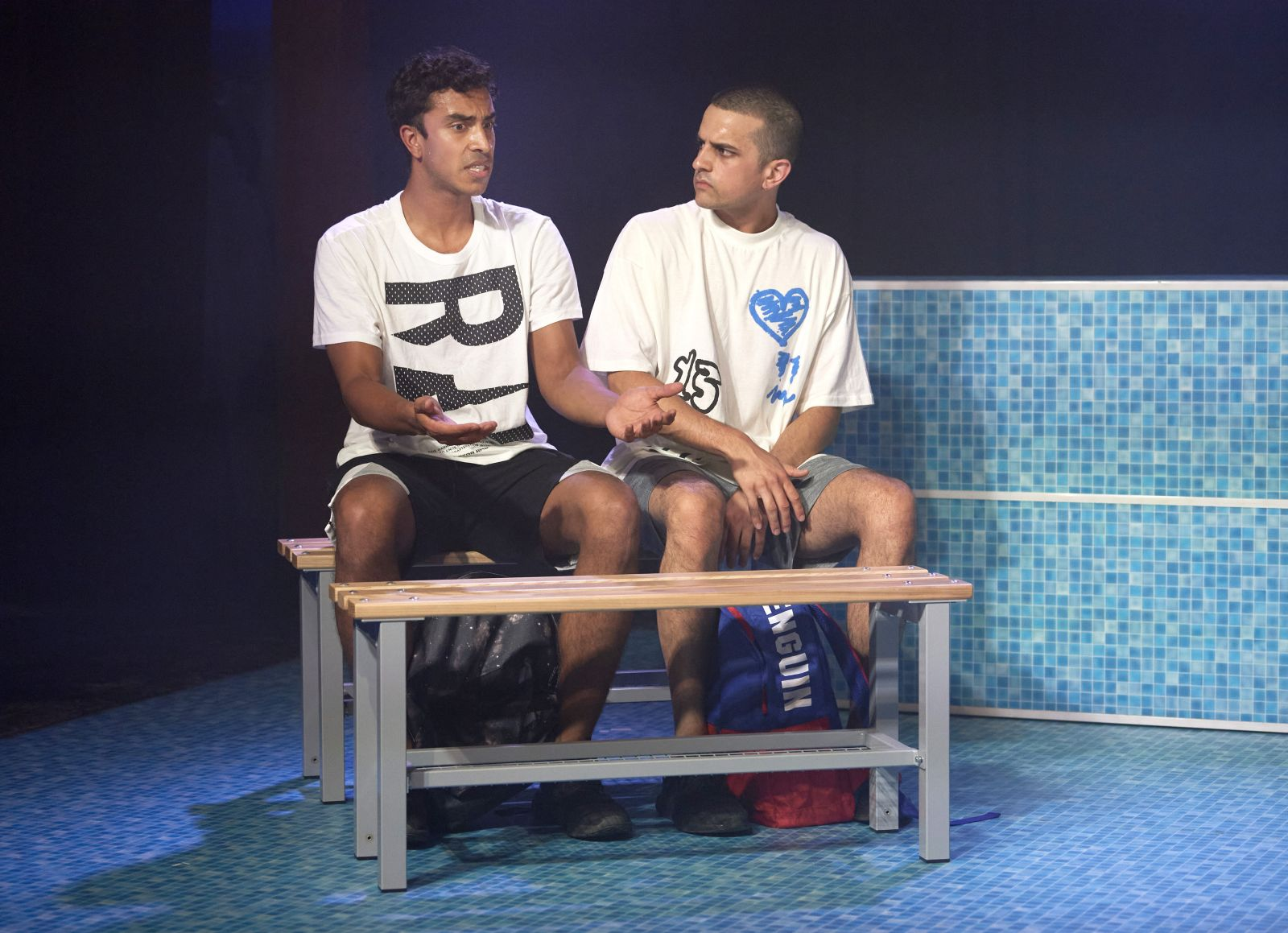
Little can get in the way of teenagers’ hormones. In Kash and Mohsen’s case, the fact they can’t swim isn’t going to stop them going to the biggest event of the year, Jess Denver’s pool party. They’ll simply learn how so they don’t embarrass themselves in front of their entire year group. After all, Kash needs to flaunt his gains in front of the girls, and Mohsen will provide reluctant moral support. With a whole month to go, surely they can figure it out. Swimming’s not that hard, right?

Continue reading
The P Word, Bush Theatre

by Zahid Fayyaz

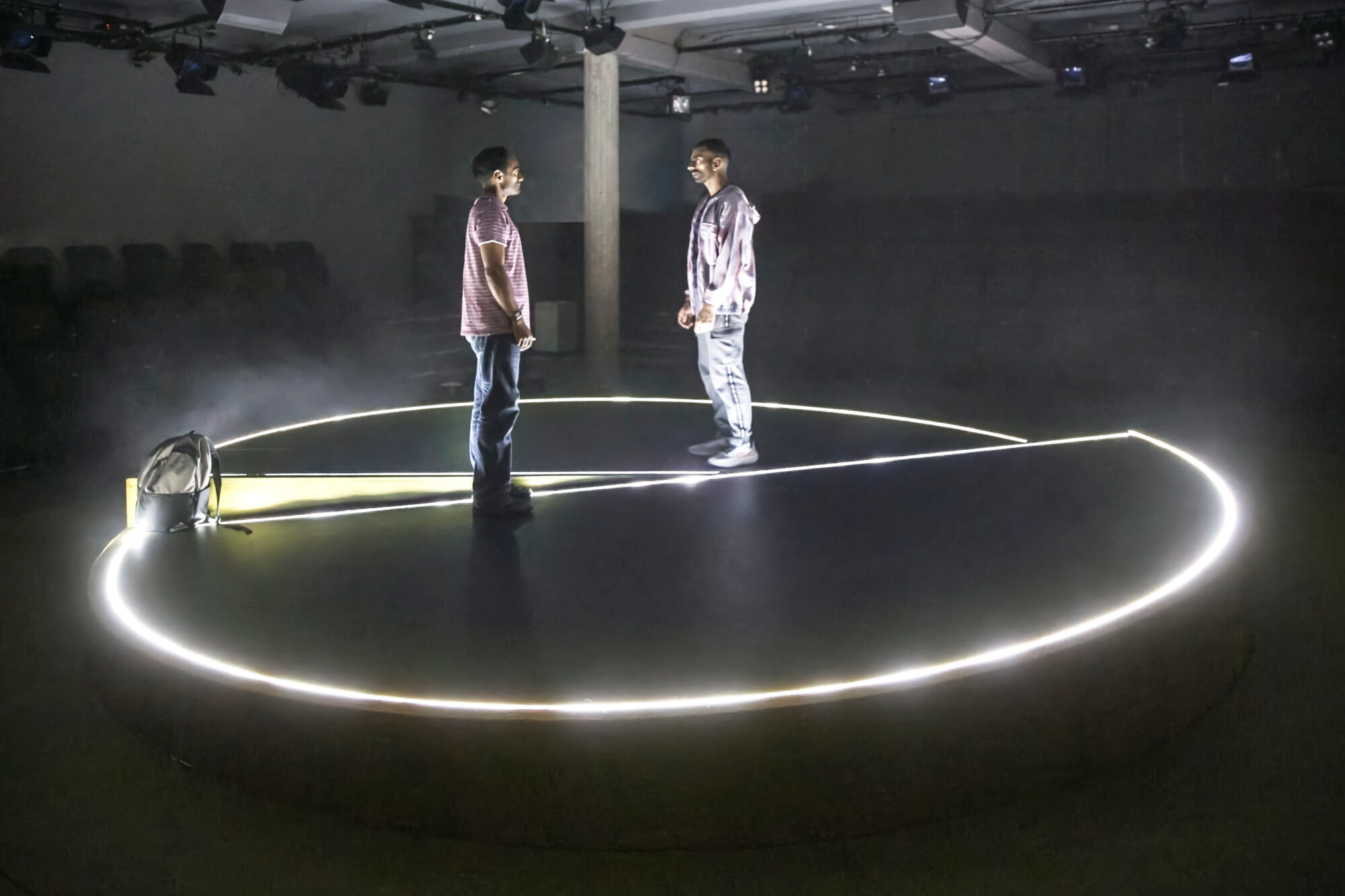
This new play is a real treat. Written by and starring Waleed Akhtar, it is a duologue looking at the burgeoning love story between two Pakistani men. Played by Akhtar, Bilal is a young gay Muslim man who has responded to schoolyard bullying by hitting the gym and trawling Grindr for casual hook ups. There are hints of him of him wanting more, but he pushes it down every time
disappointment hits.

Continue reading

Block’d Off, Edinburgh Festival Fringe

by Romy Foster

A young black boy has just been stabbed in the hallway downstairs. The neighbours are sad but ultimately, not surprised. This one-woman show follows the lives of these working-class people in this typical London block.

Continue reading

This is Not a Show About Hong Kong, Edinburgh Festival Fringe

by Laura Kressly

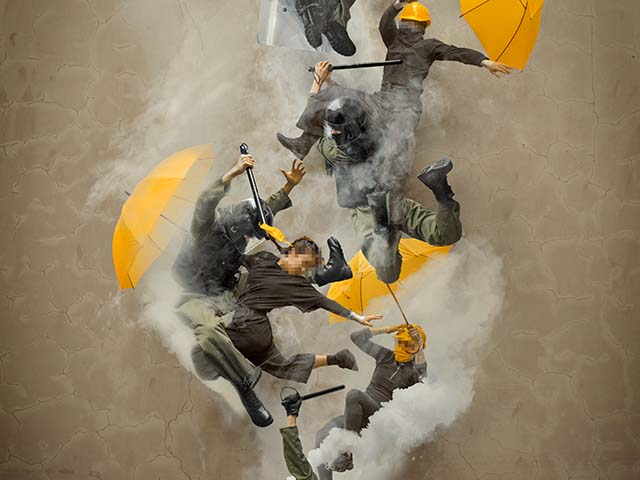
At the start of this piece that is definitely not about Hong Kong, we are asked not to take photographs. This is because the performers, who are absolutely not from Hong Kong, could face persecutions under China’s National Security Bill if they were caught making a show about Hong Kong. But this is all hypothetical, because this physical theatre show is not about Hong Kong.

Continue reading

Caste-ing, Edinburgh Festival Fringe

by Laura Kressly

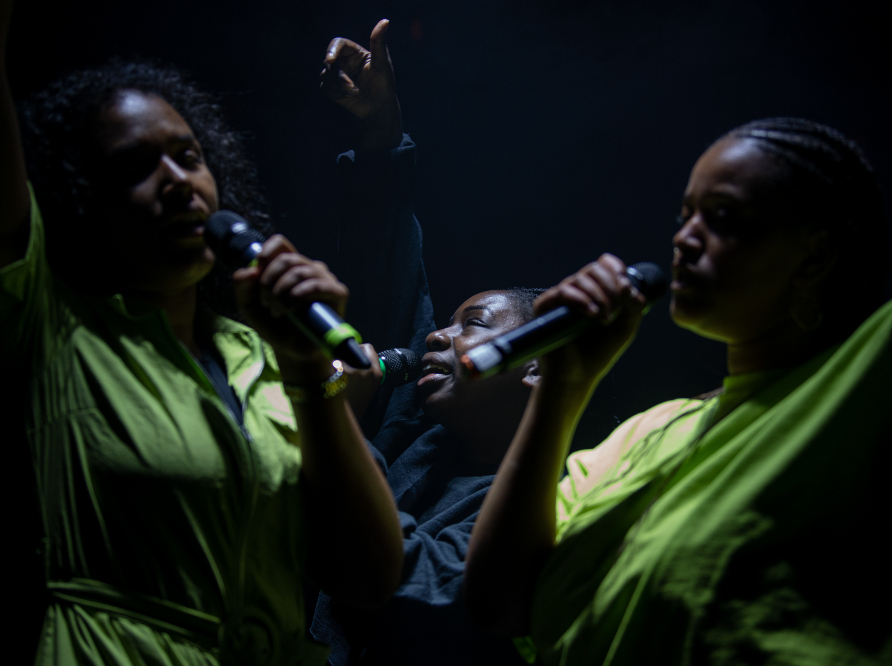
Nouveau Riche, creators of the hit show Queens of Sheba that confronts systemically ingrained misogynoir, now focus on the experience of being a Black woman actor. Using music, beatboxing and spoken word to expose the microaggressions and racism that shape their working lives, the show is a rallying cry for change within theatre and film.

Continue reading

The Darkest Part of the Night, Kiln Theatre

by Lewis Wood

Autism isn’t a subject that theatre shies away from. Portraying Autism onstage can be difficult, but plays such as Curious Incident of the Dog in the Nighttime have done an effective job of not only showing different ways that autistic people interpret the world, but also the difficulties resulting from neurotypical people’s reactions to Autism. A crucial factor of other prominent shows with autism, however? A white protagonist.

Continue reading

Favour, Bush Theatre

by Zahid Fayyaz

This is a brand new play, co-commissioned by the Bush Theatre and Clean Break Theatre Company. Clean Break was formed in 1979, and focuses on given women, who have experienced the justice and prison systems, opportunities to work and tell their stories through theatre and performance. This particular story focuses on the release of Aleena from prison, and how this release impacts her daughter Leila, who was been living with Noor, her grandmother during Aleena’s imprisonment. There is a clash of philosophies between the traditional Noor and the freer-spirited and highly strung Aleena, with family secrets threatening to come to a head.

Continue reading

No Particular Order, Theatre503

by Laura Kressly

An Optimist’s Take

Children’s TV performer Fred Rogers once said, “When I was a boy and I would see scary things in the news, my mother would say to me, “Look for the helpers. You will always find people who are helping.” Though horrific events drive Joel Tan’s eon-spanning play, it celebrates those who get us through the worst of times.

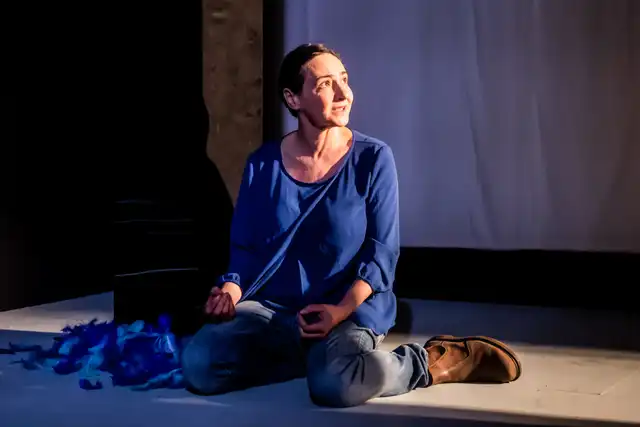
Four actors (Jules Chan, Pandora Colin, Pía Laborde-Noguez, and Daniel York Loh) play what feels like dozens of characters across multiple cities, nations and worlds over more than 300 years. The people we meet in each self-contained scene of the episodic script are unrelated to all the others; instead they are brought together by survivorship and hope. The cumulative effect of these people and their experiences is one where they blur into each other regardless of when and where their scenes unfold, but this doesn’t matter. It also tests the limits of each actor’s range with varying results – some characters aren’t particularly distinct. However, what resonates is that humanity keeps going because of its drive to look after each other.

Ingrid Hu’s set design is simple, but soft and timeless. White and black cloth forms a textured back wall and a pillowy, cloud-like ceiling that gently holds the cast of four. The transitions between each scene are clearly signalled with lighting and sound motifs. Their predictability is somewhat comforting because we know that despite the horrible things the characters experience in any given moment, their lives will eventually improve.

Though it would be great to have more time with some of these characters and see how their stories unfold, by the end the human race-wide perseverance serves as a reminder that we are more powerful as a collective rather than individuals during times of adversity. Though this is an intimate staging with a small cast, it is boundless in its esteem for humanity.

A Pessimist’s Reflection

An eternal truism of the human race is that we are and forever will be awful to each other. In Joel Tan’s eon-spanning play, which is essentially a collage of short scenes both on our planet and beyond, his vast collection of characters inhabits times and places where war, dictatorship and violence shape their lives.

The cast of four (Jules Chan, Pandora Colin, Pía Laborde-Noguez, and Daniel York Loh) play what feels like dozens of characters across multiple cities, nations and worlds over more than 300 years. The people we meet in each self-contained scene of the episodic script are unrelated to all the others; instead they are brought together by shared horrific circumstances. The overarching effect is one of the never-ending despair and suffering that shape the human condition. There are no meaningless platitudes about things eventually looking up or rose-tinted views of the real world; instead we are reassured that our individual pain is real, but shared. Everyone is going through it, and always will be.

Designer Ingrid Hu uses drapes of plain black and white cloth to lower the theatre’s ceiling and line its walls. The neutral colours and pillowy shapes dampen the sound and create a timeless claustrophobia from which the cast cannot escape. The stark palate evokes the good-evil binary that shapes each of these people’s existence. Militaristic sound effects underpin each transition and relentlessly propel time forward.

Though it would be great to have more time with some of these characters to see how their stories unfold, by the end of the play the relentless conflict between groups of people (and other creatures) remind us that ultimately, most of us have little to no power within society’s hierarchies. However, we must keep going despite the injustice we endure because this is what really makes us human. Though this is an intimate production with many moments of care, Tan’s play is an epic reminder that people never change and we must simply do our best to carry on.

No Particular Order runs through 18 June.

The Play’s the Thing UK is committed to covering fringe and progressive theatre in London and beyond. It is run entirely voluntarily and needs regular support to ensure its survival. For more information and to help The Play’s the Thing UK provide coverage of the theatre that needs reviews the most, visit its patreon.

CONCHA, Brixton House

by Diana Miranda

As part of The Housemates Festival, City Lighthouse Theatre Company presents CONCHA, a one-person show (written and performed by Carly Fernandez) telling a semi-autobiographical story about intersectionality of queer and immigrant experiences in the UK. After the protagonist finds out they’ve contracted an STD, they navigate past and current relationships interacting with multiple characters through voice-overs.

Continue reading

Playing Latinx, Camden People’s Theatre

by Laura Kressly

Guido Garcia Lueches is an actor from Uruguay who lives and works in the UK, which means that xenophobia and racism shape his day-to-day life. When he’s not attending auditions where he is asked to embody Latinx stereotypes, he regularly endures microaggressions from British people. This constant stereotyping is so unrelenting that he’s made a satirical, interactive show about the importance of fitting in as a migrant.

Continue reading