Unreachable, Royal Court

Anthony Neilson didn’t come into Unreachable rehearsals with a script, but an idea – a director obsessed with finding the perfect light. From this starting point, the cast sculpted a modern satire of the film industry and the people that exist in that world. Over a six-week devising and rehearsal period, six actors worked with Neilson to create the play, a rarity in anything other than small-scale and student theatre. The end result is wickedly funny with on-point performances and, whilst the story isn’t anything remarkable, its execution makes for delicious relief from the chaos of modern Britain.

Maxim (Matt Smith) is Palme d’Or winning writer and director of Child of Ashes, currently filming in an unnamed location. He pushes the self-absorbed, whimsical artist stereotype to the limit with full-on strops, totally inappropriate comments and decisions that blow his producer’s budget. He is camp, temperamental and a fantastic physical comedian. His lead actor Natasha (Tamara Lawrence) is an unfeeling, blunt force of a sociopath who clashes with lead actor Ivan “The Brute” (a sidesplitting Jonjo O’Neill in ridiculous hair extensions). On his production team are the pragmatic producer Amanda Drew, frustrated DOP Richard Pyros, and deaf financial backer Genevieve Barr. Their grounded personalities create plenty of friction (literally, in some cases) by clashing with the flamboyant artists as the shoot goes over budget and over time. Some of the arguments are petty, others deserving, but all just as hilarious. Nielson mocks artists’ egos, but it’s not nasty – anyone working in the arts will have met at least a couple of these personalities in real life.

The comedy lies in the exaggerated characters and brilliant one-liners devised by Nielson and the cast. Even though the scenarios are fairly mundane and the story not particularly interesting in itself, it doesn’t matter one bit. There are some moments of poignancy and genuine intimacy, but Unreachable is really about the laughs. Even without familiarity with working in the arts, even the hardest, most cynical of hearts will find the outstanding performances hilarious. The scenes are often short and episodic, and half an hour could easily be trimmed, though the current two hours doesn’t feel overly long.

Chloe Lamford’s set is the reflectors, flight cases and lights of a film set until the final sequence, when she and lighting designer Chahine Yavroyan can pull out all stops in an impressive display of visual mastery. The only issue with this moment is the fox. Instead of a puppet or forgoing the image all together, an animal that should be in the wild or a sanctuary is paraded about on a lead. It’s a totally unnecessary and cruel device.

In these post-Brexit, unelected Torycore prime minister days where cracking a smile takes immense effort, Unreachable is welcome relief. Even though the play itself is nothing special, experiencing devised theatre in anything more than a tiny fringe venue that doesn’t go more than a couple of minutes without triggering a laugh is a welcome escape from real life.

Unreachable runs through 6 August.

The Play’s the Thing UK is committed to covering fringe and progressive theatre in London and beyond. It is run entirely voluntarily and needs regular support to ensure its survival. For more information and to help The Play’s the Thing UK provide coverage of the theatre that needs reviews the most, visit its patreon.
Ugly Lovely, Old Red Lion

rsz_ffion_jones_and_sophie_hughes_in_ugly_lovely_c_velvet_trumpet_1-1

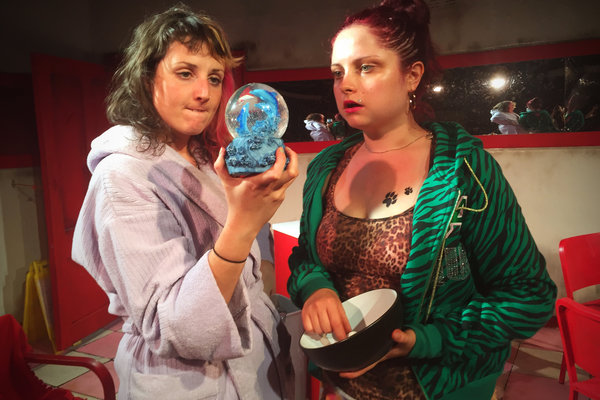
It’s Shell’s 26th birthday and she’s not happy. Her boyfriend Carl is AWOL and probably banging Smelly Kelly, her nan died recently, and she wants to leave Wales for the big city of Liverpool. Her best mate Tash is trying to convince her to stay, but her reasons are far from convincing. Shell is miserable, frustrated and angry. She feels the pull of adventure, but the tug of the sea she knows so well is strong, too. Shell tries to decide what to do as best she can – chatting with the urn that holds her nan’s ashes, going out clubbing and leaving her son Kieran with her mum. Ugly Lovely snapshots down-at-heel but aspirational Swansea with well-rounded characters who are excellently performed within a promising script, but it has a somewhat unsatisfying resolution.

This is writer Ffion Jones’ first play, and as debuts go, it’s a a rather good one. She’s built a sound narrative structure, though some trimming wouldn’t go amiss. The plot isn’t complex enough to warrant the current length or the interval, though too much cutting would rush the climax and dénouement. She has written detailed, nuanced characters with emotional depth that rally the audience’s support, but this leads to disappointment when Shell ignores her ambitions. Jones has an aptitude for sharp dialogue and dark humour, and there are some brilliant comedic moments within the characters’ misery.

Jones plays Shell, endowing the character with emotional truth and lived experience. Sophie Hughes as her best friend Tash is her cheerful sidekick, maintaining a wonderful sense of optimism despite an abusive home life. Oliver Morgan-Thomas rounds out the cast as their laddish schoolmate Robyn who is also doing the best he can to get by, though isn’t the nicest of individuals. His introduction leads to a brutal conflict and adds variation to the individual scenes’ structures, and his rough charm brings a great energy to the dynamic created by the women.

Nikolai Ribnikov’s direction is smooth and instinctive, and Lizzy Leech’s set enhances the gritty naturalism of their day-to-day lives. There is an awkward park bench that doubles as a couch, and the exposed toilet sits unused and exposed in a corner for most of the play, but adds additional dinginess.

This is a great little play that is remarkably polished for a new writer; it shows much promise even though it could use some tweaking. Jones is clearly a skilled theatre maker, and the rest of the creative team serves her script excellently. Production company Velvet Trumpet did exceedingly well in choosing this script, and Jones is certainly one to watch as both an actor and writer.

Ugly Lovely runs through 16 July.

The Play’s the Thing UK is committed to covering fringe and progressive theatre in London and beyond. It is run entirely voluntarily and needs regular support to ensure its survival. For more information and to help The Play’s the Thing UK provide coverage of the theatre that needs reviews the most, visit its patreon.
The Doctor in Spite of Himself, Drayton Arms Theatre

The Doctor in Spite of Himself (c) Ulysse Beauvois (3)

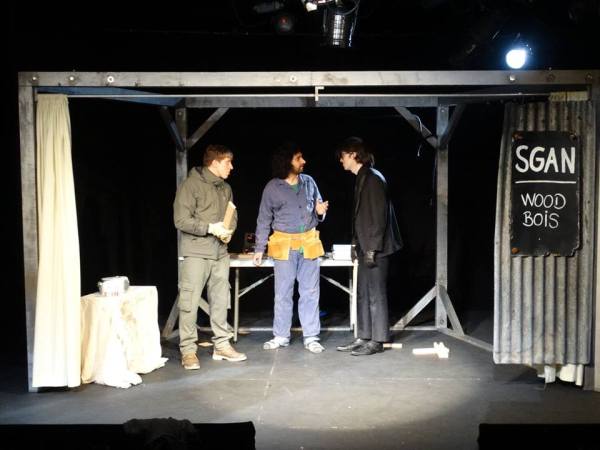
When the abusive, drunken woodcutter Sganarelle beats his wife one time too many, she takes advantage of passing strangers looking for a doctor to cure a young woman’s mysterious illness. Telling them she knows just the man, an eccentric but renowned man of medicine, sets the ball rolling on an absurd adventure of lust, remorse, and blagging it. Exchange Theatre, a French company based in London, have adapted Moliere’s The Doctor In Spite of Himself into a 75-minute contemporary version loaded with metatheatre, energy and good leading performances from a French cast. Plenty of slapstick, detailed design and Shakespearian influence make this a fun, easy to watch adaptation of the French classic.

Actor-director David Furlong plays Sganarelle with a goofy, watchable charm. His undeniable charisma is at odds with the unlikeable character, though his comeuppance and subsequent reform are a somewhat satisfying narrative despite the anti-feminist premise from the 1660s. Furlong is by far the strongest in the cast, but the others are generally good. Anita Adam Gabay as the mostly mute Lucinda exudes a sweet innocence, particularly in the opening montage where she discovers her betrothal to a man she doesn’t love. Matt Mella is the hilariously dumb Lucas, able to evoke laughter with a well-timed pause and a blank look. Some of the actors find it hard to connect to the language in English at times, but these jarring moments are fairly infrequent.

The edited plot occasionally feels rushed and overly compact, though it’s easy to follow and the translation uses relatively modern English. The excused wife beating is uncomfortably old fashioned, but at least it’s ridiculed – along with medicine and the gullibility of the upper classes. These themes translate fairly well to the modern day and English culture, especially considering the Shakespeare-esque comedy sequences that are likely to have drawn on the same commedia del’arte heritage that Shakespeare did. Furlong updates even further by adding in discreetly funny elements of self-reference, even if they don’t always work. The bust of Moliere as a weapon is cute, but characters dictating text to others from an anthology of Moliere plays isn’t as effective and causes energy to drop.

The design, presumably also by Furlong, incorporates an Elizabethan stage-within-a-stage to emphasise the metatheatre and clarify location. It’s clever and looks great, though it causes some difficulties with sightlines and narrows the playing area. Furlong’s overarching concept of using the metatheatre to create distance is a strong one what with its acknowledgment the absurdity of the story and the plot points that don’t work in a present day context.

This production of The Doctor in Spite of Himself is a funny, palatable adaptation of Moliere for London audiences. It’s a good laugh, a good length and has good performances. The company’s talent and vision is highly commendable and deserving of larger production values; their commitment to bringing audiences high quality French theatre in intimate venues makes them one to watch.

The Doctor in Spite of Himself runs through 17 July with performances in both French and English.

The Play’s the Thing UK is committed to covering fringe and progressive theatre in London and beyond. It is run entirely voluntarily and needs regular support to ensure its survival. For more information and to help The Play’s the Thing UK provide coverage of the theatre that needs reviews the most, visit its patreon.
The Alchemist, Rose Playhouse

rsz_flyer-front

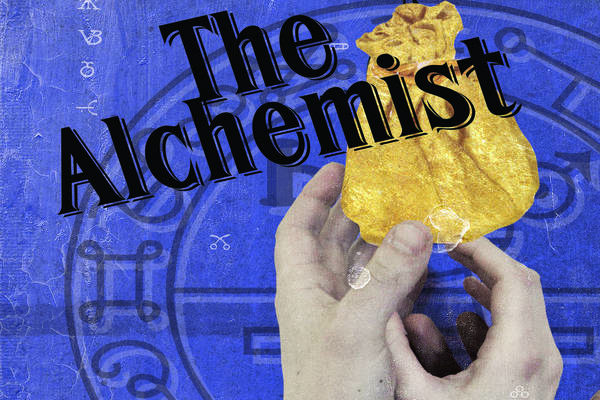
When butler Jeremy’s master goes out of town, he transforms himself into Captain Face and recruits his comrade in deceit, Subtle the Alchemist, to help him make a quick buck from gullible townsfolk. Aided by the local prozzie Doll Common, the three create bespoke schemes for each potential customer. Their plans spiral out of control and the risk of discovery becomes all too real in typical Jacobean comedy format, but also typical of the style, it all ends well – or as much as it can for the victims of their scams. With jokes that come quick and fast in this surprisingly straightforward story, it’s a fun, light-hearted play that needs clear direction to succeed.

Though The Alchemist can be considered Ben Jonson’s best play, it doesn’t get staged often. The slapstick comedy satirising a cross section of Jacobean society is swift, easy to follow and jolly so it deserves much more stage time than it receives. In Mercurius’ strongest of their last three productions, an energetic cast fully commit to the stock characters’ hijinks and trickery with clear staging and character doubling. Jenny Eastop’s direction is tight and precise, though altering the time period from the original is gratuitous and occasionally inconsistent with the text. This light production of a rarely staged play is a midsummer treat with few shortcomings.

The cast of eight are a generally tight ensemble with good chemistry. Peter Wicks as Jeremy/Captain Face has a commanding presence and wonderful speaking voice that is easily watchable. Benjamin Garrison as Subtle is a delightfully flamboyant foil but with the character having less to lose, he has less depth. Alec Bennie as Surly is the star of the supporting roles, playing the posh sceptic with a dry, steely wit. Charlie Ryall is strong as the feisty nun Ananias, but her disinterested Widow Pliant is harder to engage with.

Eastop’s choosing to set the play in the 1800s is justified in the programme notes, but with a play that is so undeniably Jacobean in its style, the costumes (that are in a poorly made/maintained state and betray a lack of time and/or budget) look out of place, particularly next to some set pieces that look much older. Nothing other than the characters’ dress indicate a change in time period, and as such, the adaptation contributes nothing to the understanding of the play. She also, nonsensically, reinvents two protestant characters as nuns who have derogatory dialogue about the Catholic Church. Despite the change in setting, this choice is painfully jarring. Otherwise, Eastop’s direction and choreography is well paced and takes advantage of the script’s inherent comedy.

This production suits the Rose Playhouse’s unique structure well, with the rear of the site being used occasionally for comic effect. Placing most of the action on the small stage in close proximity to the audience makes these larger than life characters all the more exaggerated, further emphasising the stereotypes that the play relies on for laughs. With a good cast and intuition for light comedy, The Alchemist makes for some excellent entertainment.

The Alchemist runs through 30 June.

The Play’s the Thing UK is committed to covering fringe and progressive theatre in London and beyond. It is run entirely voluntarily and needs regular support to ensure its survival. For more information and to help The Play’s the Thing UK provide coverage of the theatre that needs reviews the most, visit its patreon.
Twelfth Night, Hope Theatre

rsz_web_size-93

Fringe Shakespeare can be terrible, brilliant and everything in between those two ends of the spectrum. The better productions are vivacious and effortlessly handle Shakespeare’s language whether or not they are updated to a more modern setting, edited heavily or otherwise adapted with a concept. Thick as Thieves’ Twelfth Night is one of these good ones. Four versatile actors play all the parts in this bouncy interpretation that incorporates onstage character changes, plenty of music and audience interaction, and some clever character interpretations. At two hours long with an interval, the text doesn’t feel butchered though the interval isn’t particularly needed. With few faults, this is one of the best Twelfth Nights of recent fringe Shakespeare productions.

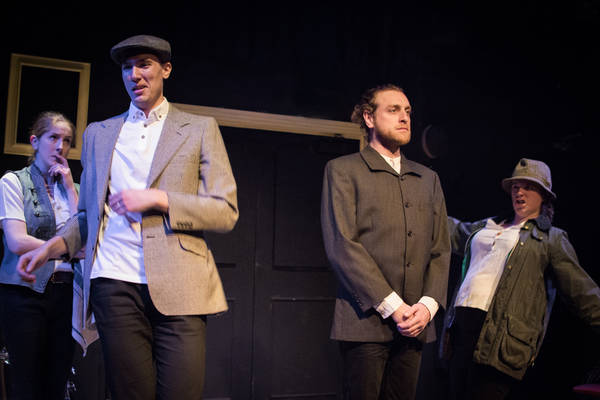
Company co-founder Nicky Diss, in an act of insightful  casting, plays Viola and Toby Belch. Her Viola is intense and boyish; her Belch is a gruff, posh older man. Diss’ presence and versatility are things of wonder, but she doesn’t outshine the rest of the cast. Her fellow co-founder Thomas Judd gives a Sir Andrew Aguecheek that is hapless and posh, a delightful interpretation that works very well; he doubles as a townie Orsino. Completing the quad are Oliver Lavery, particularly excelling as a hippy Feste and slimy Malvolio, and Madeliene MacMahon as a wonderfully frivolous Olivia. The four are all exceedingly good at creating clear, contrasting characters and have an energy that goes well beyond the walls of the tiny Hope Theatre.

There no set to speak of, which is fine for this play that changes location every scene. Costume pieces and musical instruments pepper the walls instead, giving easy access for changes. Hats, jackets and waistcoats over a uniform of black trousers and white shirts assist with character differentiation. It’s a simple but effective device to give visual variation and the lack of set reflects original practice. Occasional fiddly changes distract from the action on stage, but these moments are rare.

Some interesting alterations occur to facilitate the four actors, particularly the Sir Topas/Malvolio scene. Rather than Feste duping the prisoner, the lines are split between Sir Andrew, Toby and Maria. It’s believable enough despite vocal differences and makes no difference to the story.

Of the fringe Shakespeare that’s playing at the moment, the performances make this shoestring Twelfth Night a great one. Thick As Thieves are a talented, instinctual bunch certainly worth watching.

Twelfth Night runs through 30th April.

The Play’s the Thing UK is committed to covering fringe and progressive theatre in London and beyond. It is run entirely voluntarily and needs regular support to ensure its survival. For more information and to help The Play’s the Thing UK provide coverage of the theatre that needs reviews the most, visit its patreon.
Something Something Lazarus, King’s Head Theatre

rsz_unspecified

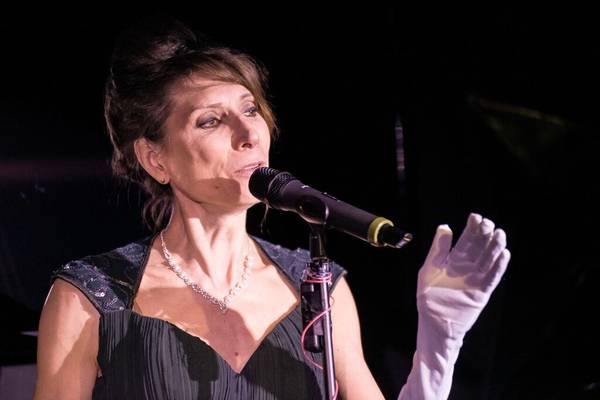
Musical theatre is growing rapidly on the fringe, thanks to venues that focus on small-scale shows and producers staging lesser-known works. New British musicals are seen less often, with only a handful of producers focusing on bringing audiences this new musical writing. Broken Cabaret, around since 1997, aim to create new kind of musical. Something Something Lazarus is part cabaret, part backstage/play-within-a-play dark comedy, part surreal fantasy. The structure is the most interesting part of the show, with a plot and songs that are sometimes surreally nonsensical. Performances are consistently excellent and whilst there isn’t always the sense that Something Something Lazarus is radically innovative, it has a British quirkiness that US imports, the most commonly produced musicals on the fringe and commercially, lack.

Four characters based on contrasting musical theatre and cabaret stereotypes generate plenty of conflict and more than a few laughs. Daisy Amphlett as Della is a no-nonsense musical director and accompanist with no patience for, well, anything. Amphlett’s powerful voice and ferocious presence is a joy to watch along with her ability to play several instruments. Valerie Cutko as fading star Vee is glamourous, seductive and rather useless, belonging somewhere more than the Midnight Sun cabaret. Daniel (Ralph Bogard) runs the venue with his twink bartender boyfriend and aspiring singer, Jay (Daniel Cech-Lucas). Daniel and Jay don’t have much love for each other; it’s a relationship of boredom and convenience amusingly played by both. When an unexpected delivery from Daniel’s ex arrives, his freewheeling emotions cause a violent eruption that moves the action, and the real cabaret, into Jay’s mind.

Much of the story takes place in real-time before the evening’s show starts. It’s pretty typical meta, backstage fare but with music and dialogue flowing into each other like an actual rehearsal – a lovely change from standard musical theatre structure. Though not innovative, it’s nice to see a more low-key, Kiss Me, Kate type of musical. The action is continuous and the dialogue feels natural, though the characters are more heightened versions of those you typically encounter in this environment. John Myatt’s dialogue is punchy and fun, with plenty of bitchiness. The cabaret-in-my-head section is both surreal and more like an actual cabaret performance – a disorientating but more interesting outcome, and with more memorable songs by Simon Arrowsmith than the first part of the show.

Accompanying the show is Simon and Jonny Arrowsmith’s transmedia, three websites that add further detail to the world of Something Something Lazarus that isn’t clarified within the dialogue and plot. Whilst it’s a great extension of the performances, I’m uncertain how much audiences engage with the work. I expect transmedia will come to be used more and more, what with the legacy it creates and an easy way to further engage with audiences.

Though Something Something Lazarus isn’t as innovative as it makes itself out to be, there are a lot of great elements. The performances are excellent, the transmedia is a nice touch and it’s great to see British theatre makers creating new musical theatre that doesn’t follow American trends.

Something Something Lazarus is at the King’s Head Theatre until 2nd April.

The Play’s the Thing UK is committed to covering fringe and progressive theatre in London and beyond. It is run entirely voluntarily and needs regular support to ensure its survival. For more information and to help The Play’s the Thing UK provide coverage of the theatre that needs reviews the most, visit its patreon.

Eggs, Vault Festival

rsz_eggs_florence_keith-roach_and_amarni_zardoe_courtesy_simon_annand_1

Women get the raw end of the deal no matter how young or old they are, how mainstream or alternative. Two late twenty-somethings, acquaintances through a mutual late friend but with completely opposite personalities, end up bonding over important issues but with dry humour and restrained emotion. Despite the content, Eggs avoids catering purely to women. The frank honesty is stereotypically blokey, covering topics such as masturbation, one-night stands and careers – issues that are obviously relevant to women, just not often spotlighted so directly – as well as fertility, marriage and the fear of aging. Structurally episodic and a bit clunky, Eggs is also bitingly funny and poignant, particularly for those of us in our 20s and 30s feeling like we don’t really fit into the world.

Playwright Florence Keith-Roach uses the versatile symbolism of eggs throughout, albeit obviously. Even the set and costume by Clementine Keith-Roach and Lily Ashley are all white and yellowy-orange. It’s an interesting catalyst for written material, and Keith-Roach riffs in numerous directions from that starting point. Fertility is an obvious path, but egg shaped vibrators less so. This makes the events in the story nicely unpredictable, but Keith-Roach does a great job tying up the issues into a satisfying end.

Keith-Roach and Amani Zardoe are girl 1 and girl 2. Girl 1 is a hippy artist fighting the status quo; Girl 2 loves her corporate job and can’t wait to marry and have children. Both performances are heighted and somewhat ‘Sex in the City’-esque, particularly at the beginning, where they feel like chick lit but on stage. Fortunately, both actors settle into more naturalistic performances after a couple of scenes. Unlike the terrible television series, these unnamed women develop depth and genuine conflict, even though they are not the most likeable of characters. Their insecurities and flaws are believably human, as are their prickly, awkward encounters that evolve into a genuine care for each other.

Eggs is heart-warming without being cheesy, and substantial but does not preach. It provides gentle solidarity to women who feel like their lives aren’t everything they’re supposed to be, and even though the earlier scenes feel disconnected from each other, the last third of the play really rings true. It’s a good piece of theatre for a second play and is a pointed reminder of the fact that no one really has their life together.

The Play’s the Thing UK is committed to covering fringe and progressive theatre in London and beyond. It is run entirely voluntarily and needs regular support to ensure its survival. For more information and to help The Play’s the Thing UK provide coverage of the theatre that needs reviews the most, visit its patreon.
Skin A Cat, Vault Festival

rsz_skin-a-cat-main-image-digital

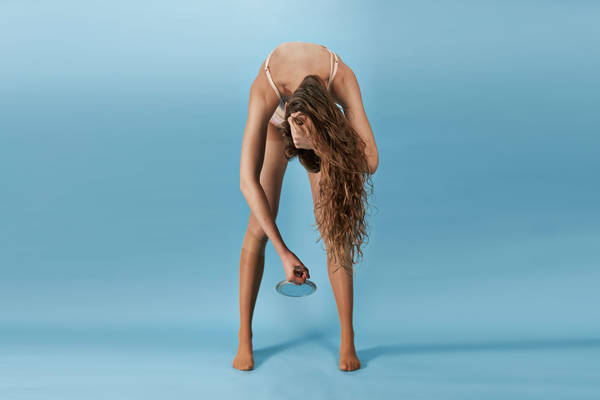
Without question, my best new writing discovery of 2015 was young writer Isley Lynn’s play Tether at Edinburgh Fringe. This surprising, diverse two-hander also made it into the top five of my Top 10 Shows of 2015 so I was excited to receive an invitation to her autobiographical play Skin A Cat at Vault Festival. Having been so blown away by Tether, I worried I would find her other work underwhelming, but Skin A Cat is driven by the same sort of quick-witted, emotionally honest characters on a path of discovery that Tether boasts. Skin A Cat’s not about sport, though. It’s a tale of a stubborn vagina and an epic journey of self-acceptance in a world obsessed with sex. Phenomenal performances and humour tell Alana’s struggle with vaginismus and vaginal penetration with refreshingly frank, honest writing.

Theatre (and Western culture) doesn’t shy away from heteronormative sex, but a main character that hates it due to a psychosexual disorder is most rare indeed. Beginning with her first period on holiday at age nine, we see Alana (Lydia Larson) navigate teenage sexual exploits, several boyfriends, university and her twenties as a heterosexual young woman who finds vaginal penetration excruciating to the point of impossible. Try as she might, it doesn’t happen and the older she gets, the more burdensome and upsetting her virginity becomes. Alana tells her story directly to the audience with support by the excellent Jessica Clark and Jassa Ahluwalia, who play everyone else she encounters along the way, sometimes on mics and sometimes in conventional dialogue scenes, seamlessly switching between the two styles. Larson’s fantastic, perky Alana is genuine, funny and grows up before the audience’s eyes; that and Lynn’s unfettered dialogue cause us to feel like we know her inside and out (#sorrynotsorry) at the end of the 90 minutes.

Lynn’s gift for dialogue and detailed characters within a cleverly framed style shines here, and is generally well supported by director Blythe Stewart. Despite the serious subject matter and the control vaginismus has over Alana’s life, Lynn and Stewart use humour delightfully and liberally in both the writing and staging. Sex, attempted sex and orgasms hilariously abound, along with poignancy, tenderness and dogged desperation. It’s a beautiful balance.

Holly Pigott’s set solely consists of a bed; the pressure of its associated activities dominates Alana’s life. Some of the costume choices puzzle, though. The dungarees that Clark and Ahluwalia wear are androgynous and childlike, and rather old fashioned. Larson wears layers of undergarments that creates a simultaneously sexy and exposing, and completely unsexy and concealing effect – a great manifestation of Alana’s inner conflict.

Skin A Cat evokes belly laughs and empathy, nostalgia and wonder. Though it raises awareness of a psychosexual condition, Lynn manages to not make this an “awareness” play. Instead, it’s a story about growing up, loving yourself and making friends with your body’s quirks. Excellent writing and committed performances in Skin A Cat prove Isley Lynn and the cast are ones to watch.

The Play’s the Thing UK is committed to covering fringe and progressive theatre in London and beyond. It is run entirely voluntarily and needs regular support to ensure its survival. For more information and to help The Play’s the Thing UK provide coverage of the theatre that needs reviews the most, visit its patreon.
You Tweet My Face Space, Theatre N16

rsz_you_tweet_my_face_space_c_boots_&_cats_productions_9

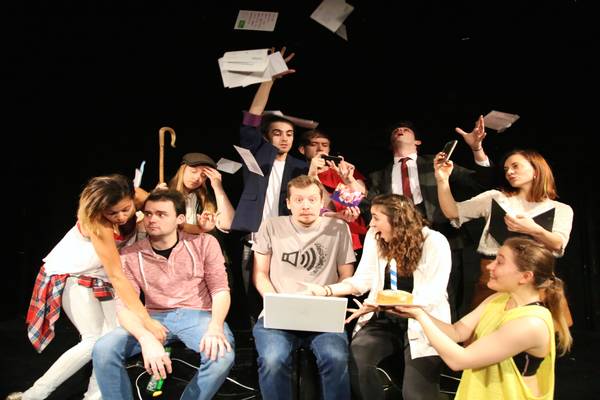
David and Charlotte’s ten-year relationship is on the rocks. He’s struggling with an addiction that’s pushing her out of his busy life, but David’s social media and internet habits aren’t allowing him to give Charlotte the attention she deserves. When an indiscretion on a night out is immediately published and Charlotte leaves him, David vows to quit cold turkey. It’s not so easy though. As the personified apps crash his peace and quiet, this romcom takes a surreal, satirical turn. With bitingly funny moments, good comic timing and some good performances, this surprising one-act is a great giggle for those of us enslaved by technology.

Tom Hartwell is the bookish, quiet David who’s frustration becomes real and relatable. He’s wonderfully foiled by characters such as Hotmail (suave, aloof Hadley Smith), self-obsessed Instagram (girl next door Ellie Goffe with a heart of gold) and Facebook (subtly vicious Evan Rees). Tinder (Kate Okello), Farmville (the wonderfully dour Katie Dalzell) and a couple of others join in to try to persuade David to stay in the internet realm, and some glorious clashes ensue with plenty of digital pop culture in-jokes. Pacing is excellent, as is the energy and ensemble work of the cast.

Hartwell is also the playwright; he has good intuition for the relationship story arc that frames and justifies the chaos, though the moral is a rather obvious one and not particularly profound. His dialogue is punchy and fun, regularly inducing laughs. (It would be interesting to see what his serious material is like.) Director Anne Stoffels has her hands full with a large cast in a small space, but usually manages to keep the action moving without messiness.

For a social media comedy, You Tweet My Face Space is well crafted and even though some of the performances are weaker than others, it reminds us to take a break from our online worlds and interact with people face-to-face more often. It’s a fun, frivolous piece with some excellent moments and a bit of post-holiday season fun.

The Play’s the Thing UK is committed to covering fringe and progressive theatre in London and beyond. It is run entirely voluntarily and needs regular support to ensure its survival. For more information and to help The Play’s the Thing UK provide coverage of the theatre that needs reviews the most, visit its patreon.
Big Brother Blitzkrieg, King’s Head Theatre

Lots of things seem like a great idea at uni. Some of them are genuinely good ideas. A great deal more aren’t. Writing a play about Hitler in the Big Brother House is one of the latter. In 2014, Newcastle University students Hew Rous Eyre and Max Elton founded Bitter Pill Theatre to produce their debut play, Big Brother Blitzkrieg, at Edinburgh Fringe that year. With a couple of other shows now under their belt, they bring their popular first production to London. Meant to somehow satirise Big Brother and Hitler, this stereotype-driven piece doesn’t follow any sort of consistent narrative logic and doesn’t manage to rise to satirical humour. The performances are very good despite the character limitations, but the script comes across as a drunks, nonsensical idea that would have been better off forgotten.

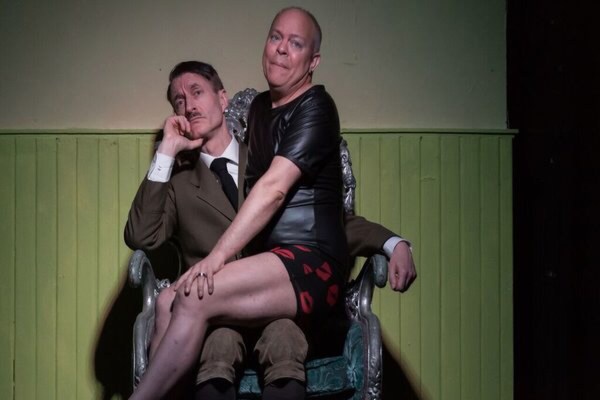
When Hitler fails to kill himself after his final rejection from art school, he wakes up in the garden of the Big Brother House during its final season. True to life, no one watches the programme anymore and the contestants are just in it for the money. Bafflingly, none of them no who Hitler is, even the educated, middle class housemates. Clearly this is a world where WWII never happened, but I’m not sure what point that’s meant to make. Similarly, the plot follows what I imagine to be standard Big Brother events: evictions, competitions, surprises and character clashes that are largely unfunny and offer no new perspective on the show or reality TV format. Though the story defies the laws of Physics through the use of time travel, this element is wholly neglected.

The cast are very good, or at least at playing their respective stereotypes. Stephen Chance is an expressive, quick-witted Hitler with no idea of how to deal with charming, bouncy Essex lad M-Cat (Kit Loyd) and ageing queen Felix (Neil Summerville). He finds kinship in corporate PR and Tory Lucy (Jenny Johns), a delightfully despicable Katie Hopkins homage. The house is completed with femi-gendered Charlie (Hannah Douglas) who has some cracking exchanges with Lucy, and the bland as plain toast housewife Rachel (Tracey Ann Wood), who Hitler immediately distrusts. The combinations invites inevitable situation comedy but again, it’s not sophisticated enough to count as satire, or have any sort of message at all. A shame, as the actors all seem to have great potential but are stuck playing two dimensions.

The show would suit a much smaller format, like a reoccurring sketch as part of a comedy show limiting each slot to ten minutes. About half an hour in, Big Brother Blitzkrieg already feels too long. There were a few good lines, but in 75 minutes, a few isn’t enough to save this play even with the hardworking cast. Despite the commendation these young practitioners deserve for setting up a company whilst still studying and keeping it going for nearly two years, part of artistic development is knowing when to let an idea go. This is a production that needs to retire in favour of more advanced, relevant work.

The Play’s the Thing UK is committed to covering fringe and progressive theatre in London and beyond. It is run entirely voluntarily and needs regular support to ensure its survival. For more information and to help The Play’s the Thing UK provide coverage of the theatre that needs reviews the most, visit its patreon.