Natalie Palamides: WEER, Soho Theatre Walthamstow

by Zahid Fayyaz

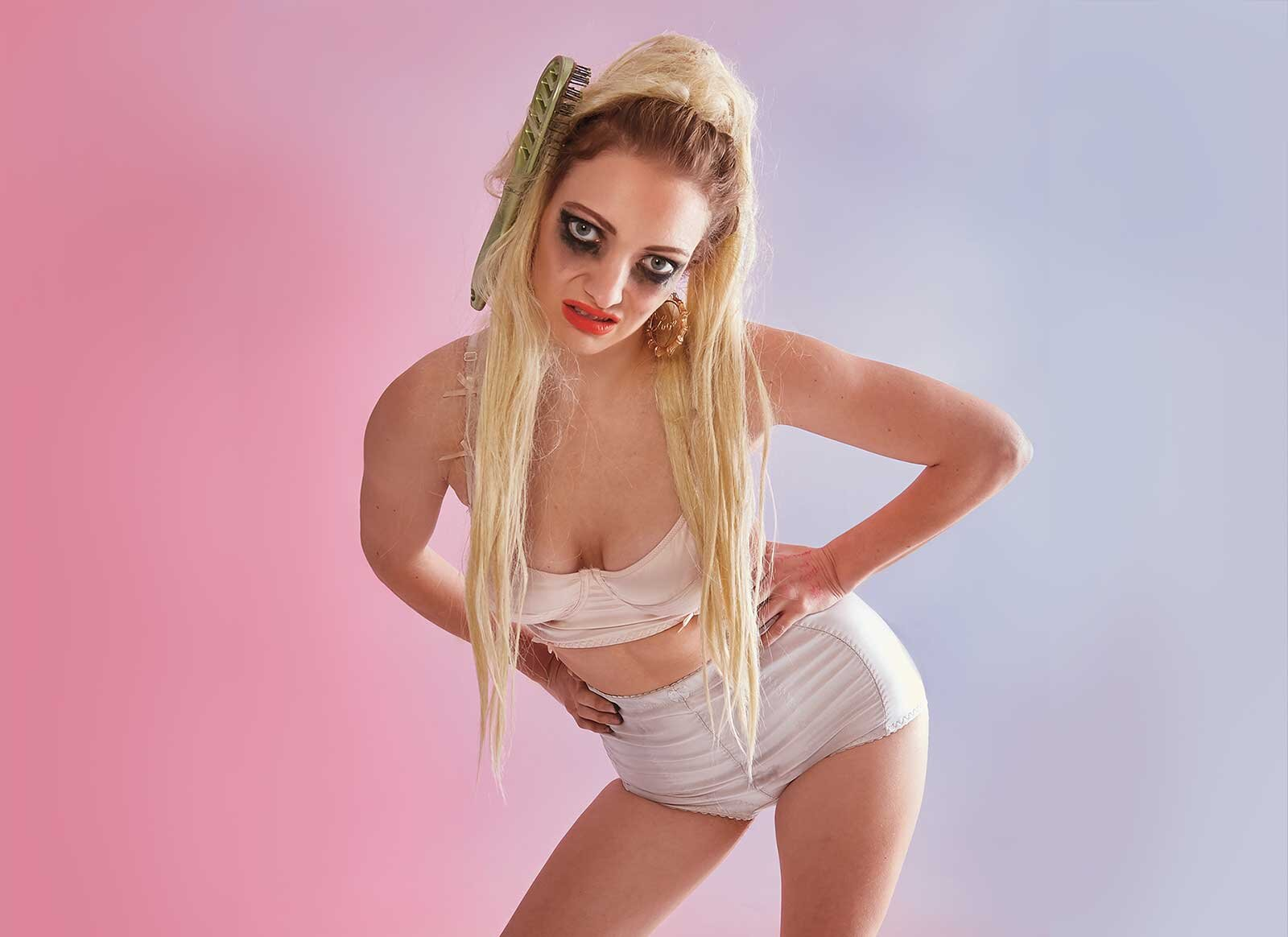
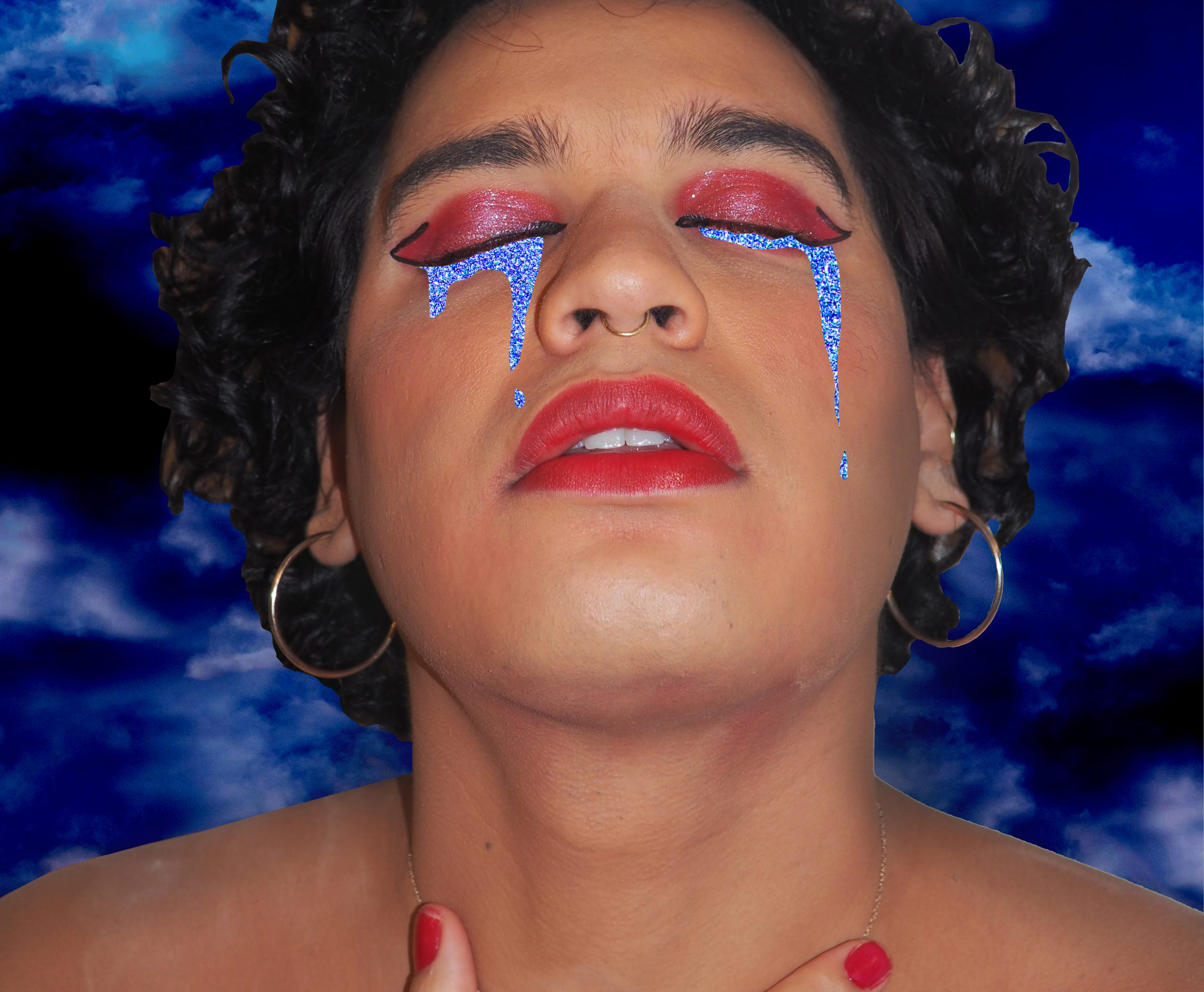
After several years of development and subsequent building works, the Soho has opened its north London outpost in Walthamstow, in the beautiful former Granada Cinema that’s also a Grade 2 listed building. A lovely, glitzy venue, and with a capacity of just under 1000, this space debuts with Natalie Palamide’s award nominated Edinburgh fringe show, Weer.

Continue reading
All the Worst Parts, Baron’s Court Theatre

CW: mentions of rape, sexual assault and addiction

by Anne-Charlotte Gerbaud

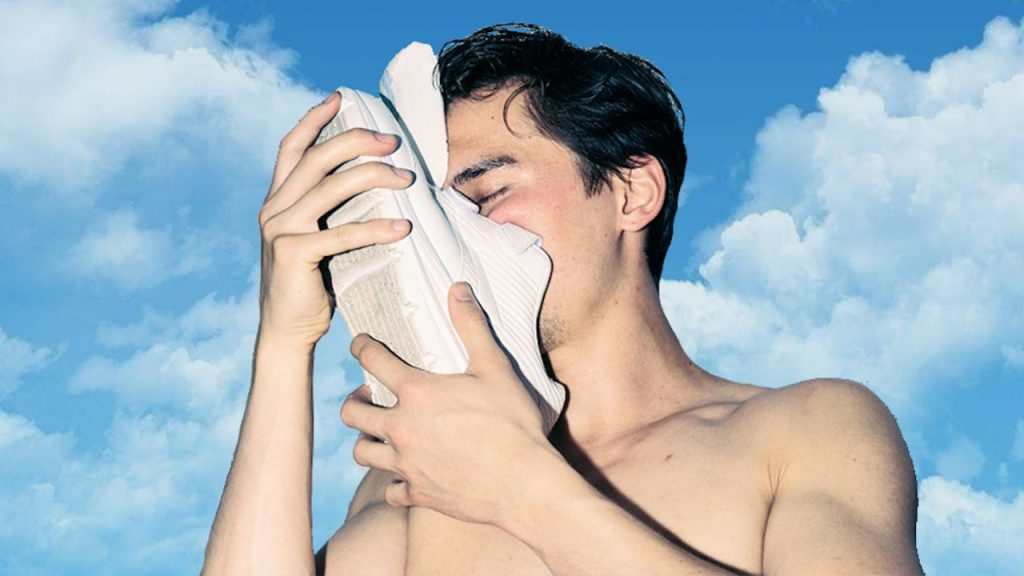
Recovery is rarely linear, and All the Worst Parts captures it as raw, painful, and unresolved. Created by Eden Theatre, this four-part play follows a young woman navigating the aftermath of sexual violence. What emerges is a layered and often unsettling portrait of trauma, intimacy, and the damage done
when no one listens.

Continue reading

Baklâ, Edinburgh Festival Fringe

by Laura Kressly

The Spanish arrived in the Philippines in 1521. This was the start of centuries of violent colonial rule that still resonates today. Max Percy, a gay, mixed race Filipino man, carries this legacy in his body. It seems that no matter what he does, from visiting his Filipino grandfather, to flirting and fucking his way through London’s gay clubs, he is fetishised and othered. Percy’s complex solo show samples the racism and homophobia he encounters, shares Filipino creation stories, and uses movement to capture the tension between the different cultures he inhabits.

Continue reading

Lucy and Friends, Edinburgh Festival Fringe

by Laura Kressly

Lucy McCormick, performance artist extraordinaire and queen of the grotesque, starts off this show dressed in a felted tree costume. It calls to mind an out-of-place, awkward child in a school play unsure about what to do, but still enthusiastic. This is an appropriate start to the show’s premise: McCormick wants to put on a cabaret but doesn’t have any friends who could work on her show, so she drafts the audience in to help.

Continue reading

Feature | Rehearsing Bad Sex

by Diana Miranda

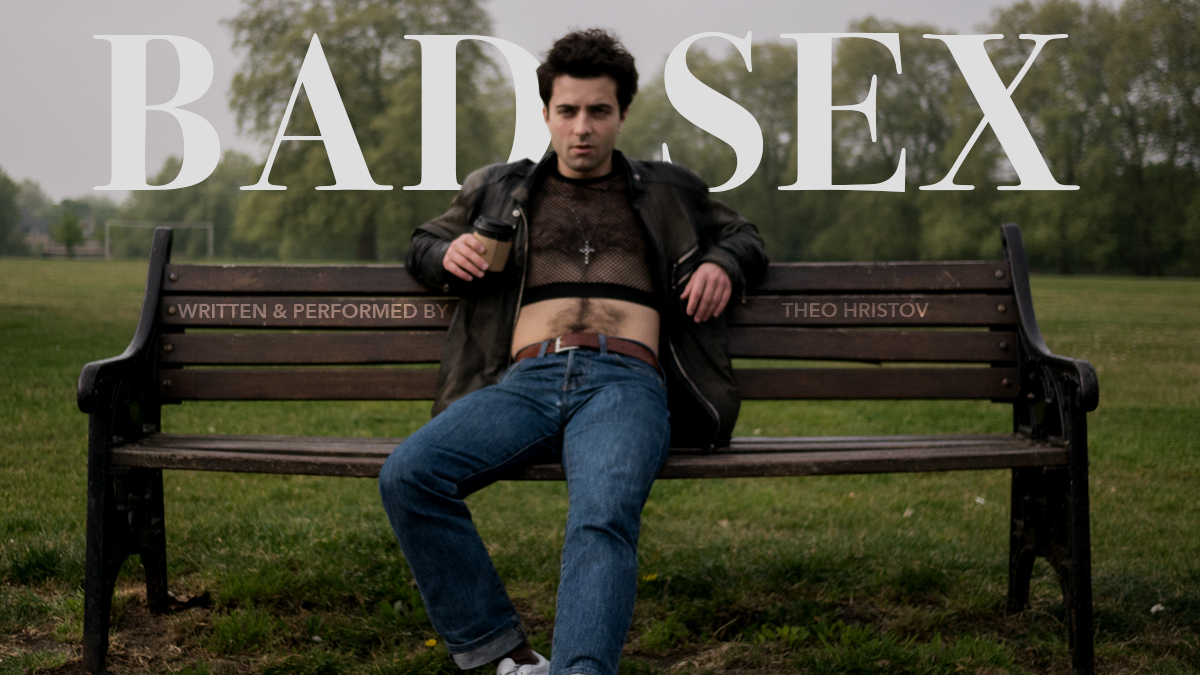
Painting a raw picture of sex and substance addiction, Bad Sex delves into the challenges of a young man spiralling in a hectic acting career while dealing with the emotional strains of showbiz and family conflict. Written and performed by Theo Hristov, this work-in-progress solo show was presented as part of A Pinch of VAULT Festival, a platform for artists to share their newest work onstage to get audiences’ sweet feedback.

Continue reading

In the Sh*t, Brighton Fringe

by Luisa De la Concha Montes

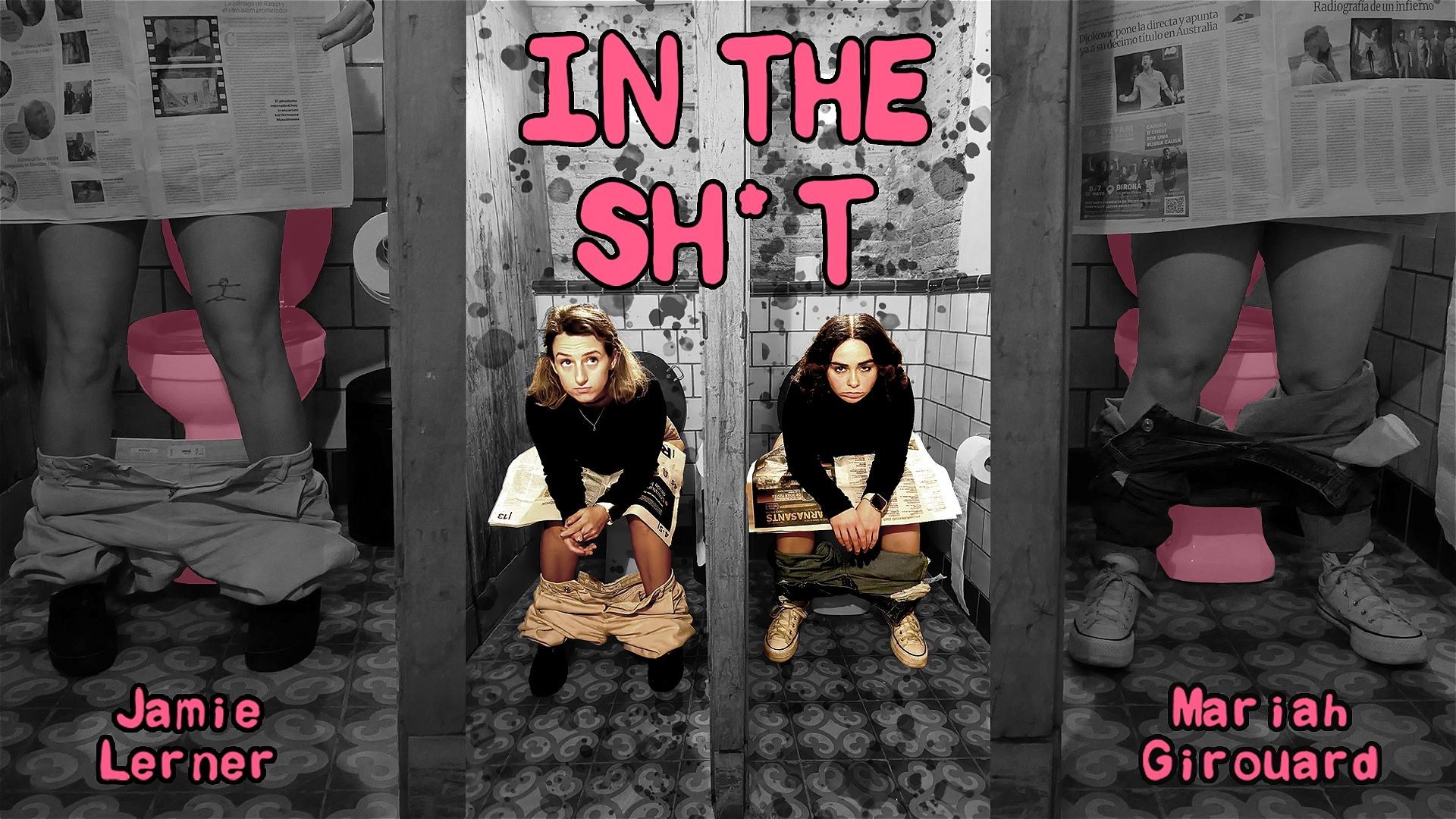
This stand-up comedy double-act features Jamie Lerner and Mariah Girouard, two Americans living in Barcelona. The act starts with Mariah, who tells us about her disastrous dating experiences, her crack-ridden town in the US, and how cats and women have more in common that we may think. Her delivery is confident, balancing dark jokes with silly remarks in natural way.

Continue reading

The Unicorn, VAULT Festival

by Diana Miranda

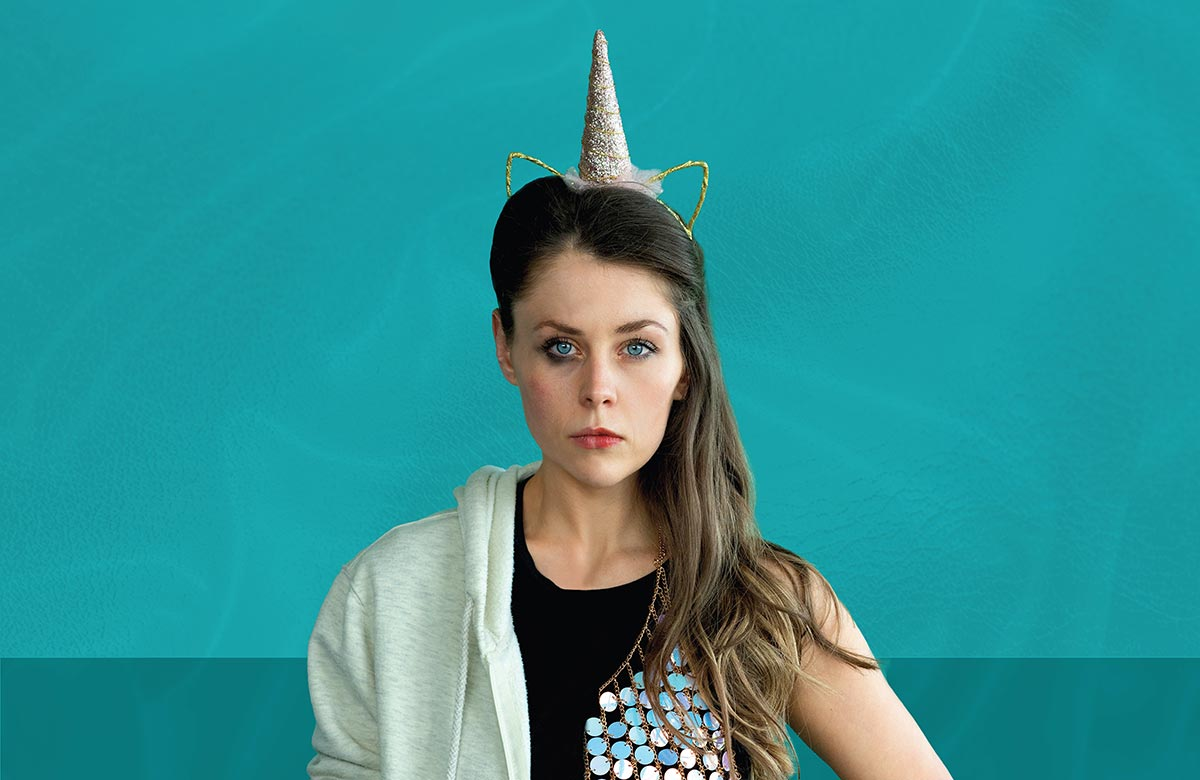
Recently unemployed and battling feelings of loneliness, Andrea explores casual dating for connection and distraction – mostly distraction. Tinder one-night-stands gradually evolve into exclusive sex parties. Dissecting a newfound sexual drive, Andrea probes a path that offers a soothing, exciting alternative to her seemingly crumbling life, but her boundary-pushing exploration soon reveals a story of addiction.

Continue reading

CONCHA, Brixton House

by Diana Miranda

As part of The Housemates Festival, City Lighthouse Theatre Company presents CONCHA, a one-person show (written and performed by Carly Fernandez) telling a semi-autobiographical story about intersectionality of queer and immigrant experiences in the UK. After the protagonist finds out they’ve contracted an STD, they navigate past and current relationships interacting with multiple characters through voice-overs.

Continue reading

Somewhere to Belong, Lion & Unicorn Theatre

Photos: Sycorax Collective Presents SOMEWHERE TO BELONG

by Laura Kressly

As writer and performer Kim Scopes points out, bisexual representation on our stages and screens is limited. When a bisexual character appears at all, they are usually defined by their sexual activity and reduced to shallow, biphobic stereotypes. So a whole show about being attracted to more than one gender, made by a bisexual/queer person, is hugely exciting. Unfortunately, despite many great ideas and individual moments of excellent execution, this production feels like a disjointed work-in-progress with sections that only tenuously connect to each other.

Continue reading