Tones: a hip-hop opera, Edinburgh Festival Fringe

by Laura Kressly

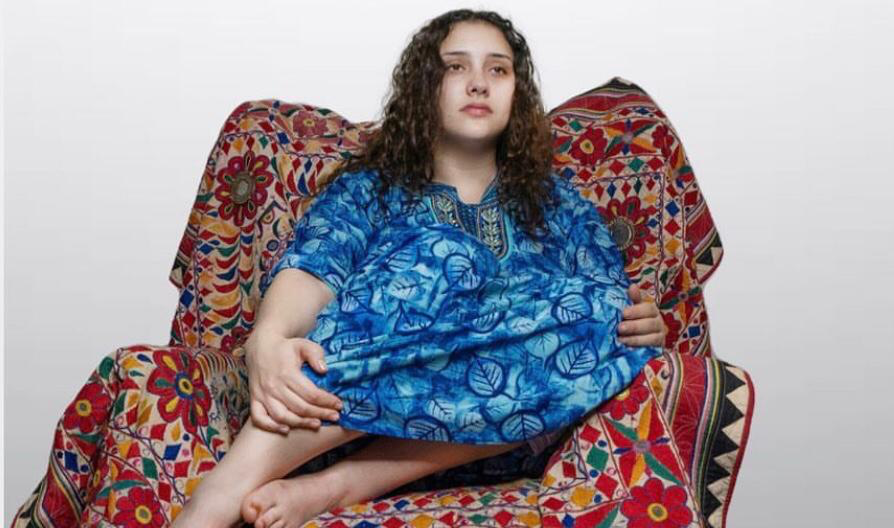
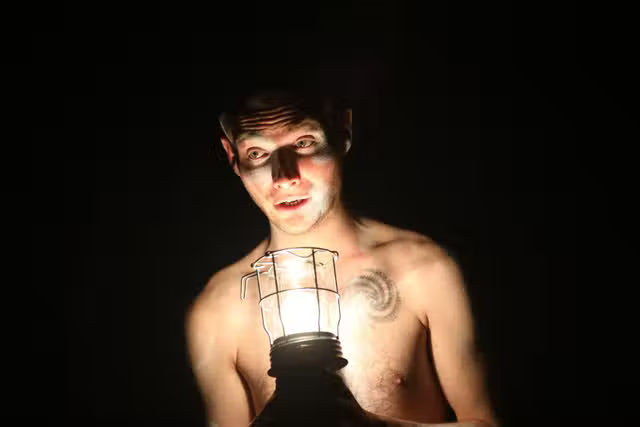
Immensely intelligent Jerome has always struggled to find his place in the world. He was too poor to go to private school like his best friend Henry, but at secondary school he got bullied for sounding white and talking posh. This coming-of-age monologue navigates growing up when you don’t quite fit in on the estate in Harlesden, at the shop where you work, or at the competitive uni out of town.

Continue reading

James Rowland: Piece of Work, Edinburgh Festival Fringe

by Laura Kressly

Known for masterful storytelling of gentle comedy and devastating tragedy purportedly from his own life, James Rowland opens his newest play with a line from Hamlet. This foreshadows less humour and more melancholy, but both come in spades in this monologue on father-son relationships and mental health.

Continue reading

OommoO, Edinburgh Festival Fringe

by Laura Kressly

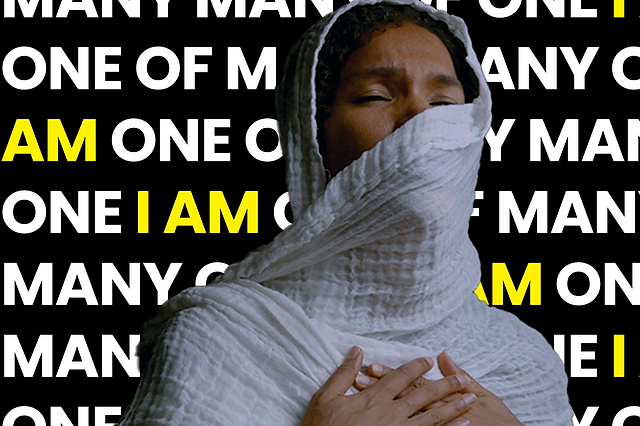
Lula Mebrahtu inhabits multiple worlds: the UK, Eritrea, the present and her ancestors’ past. To construct this show she draws on traditional dance, contemporary British club culture, and Afro-futurism to create a unique dramaturgy that seeks to capture the experience of living across multiple cultures.

Continue reading

Concerned Others, Edinburgh Festival Fringe

by Laura Kressly

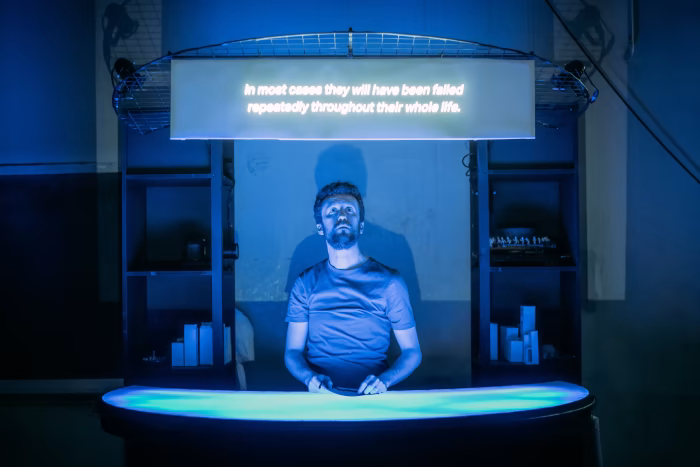
Scotland has one of the highest drug-related death rates in the world. This suggests that addiction is woven into the country’s fabric and should be understood, but recorded testimony in this production tells us that society broadly holds the view that addiction is down to personal weakness or moral failing. Tortoise in a Nutshell impressively combine puppetry, animation, and installation with data and verbatim accounts to challenge this belief and other stereotypes about addiction.

Continue reading

Baklâ, Edinburgh Festival Fringe

by Laura Kressly

The Spanish arrived in the Philippines in 1521. This was the start of centuries of violent colonial rule that still resonates today. Max Percy, a gay, mixed race Filipino man, carries this legacy in his body. It seems that no matter what he does, from visiting his Filipino grandfather, to flirting and fucking his way through London’s gay clubs, he is fetishised and othered. Percy’s complex solo show samples the racism and homophobia he encounters, shares Filipino creation stories, and uses movement to capture the tension between the different cultures he inhabits.

Continue reading

Beautiful Evil Things, Edinburgh Festival Fringe

by Laura Kressly

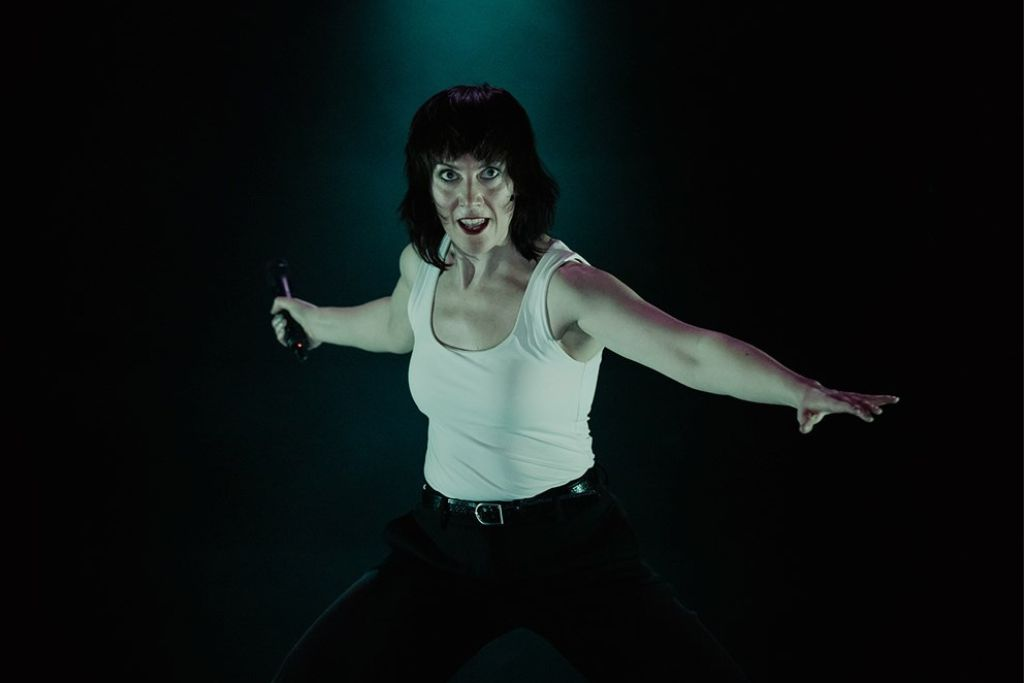
Theatre Ad Infinitum has developed a reputation for excellent storytelling about a vast range of subjects, all performed with a distinctive physical language. Their latest touring show is no different. The solo performance platforms some of the women in Greek mythology who are villianised, minimised and/or ignored by the canon. As well as giving them a chance to tell their stories, the show prompts reflection on women’s depiction in legend and literature.

Continue reading

Feature | Rehearsing Bad Sex

by Diana Miranda

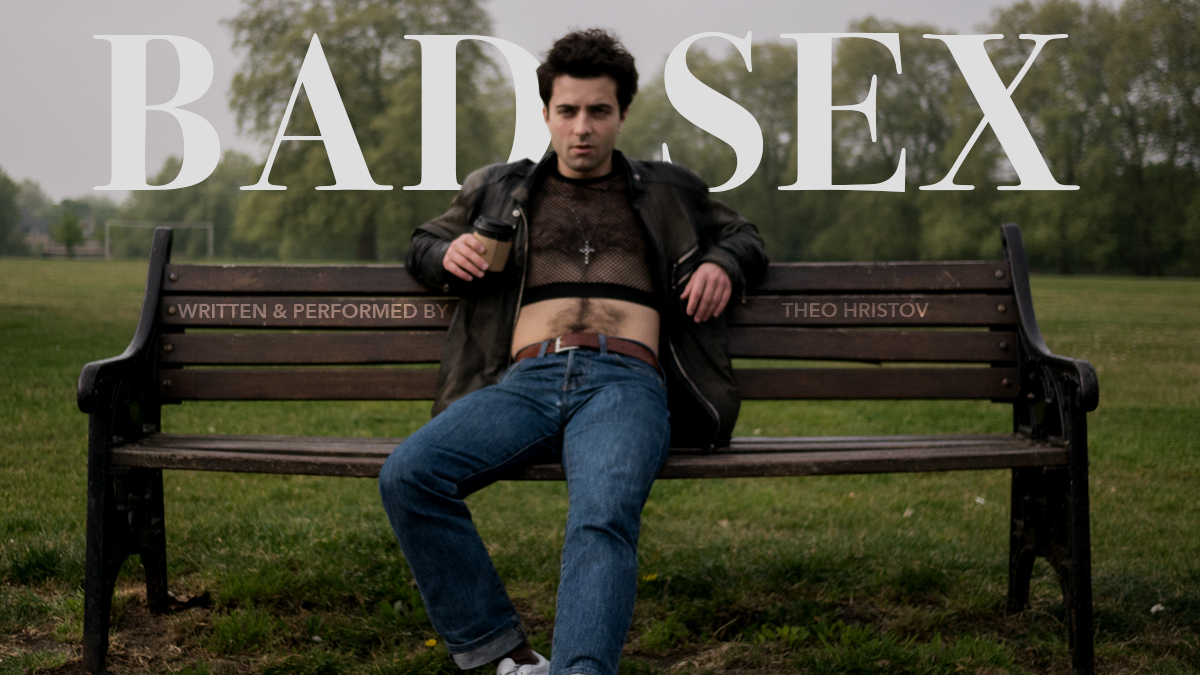
Painting a raw picture of sex and substance addiction, Bad Sex delves into the challenges of a young man spiralling in a hectic acting career while dealing with the emotional strains of showbiz and family conflict. Written and performed by Theo Hristov, this work-in-progress solo show was presented as part of A Pinch of VAULT Festival, a platform for artists to share their newest work onstage to get audiences’ sweet feedback.

Continue reading

The Streets of London, Brighton Fringe

by Luisa De la Concha Montes

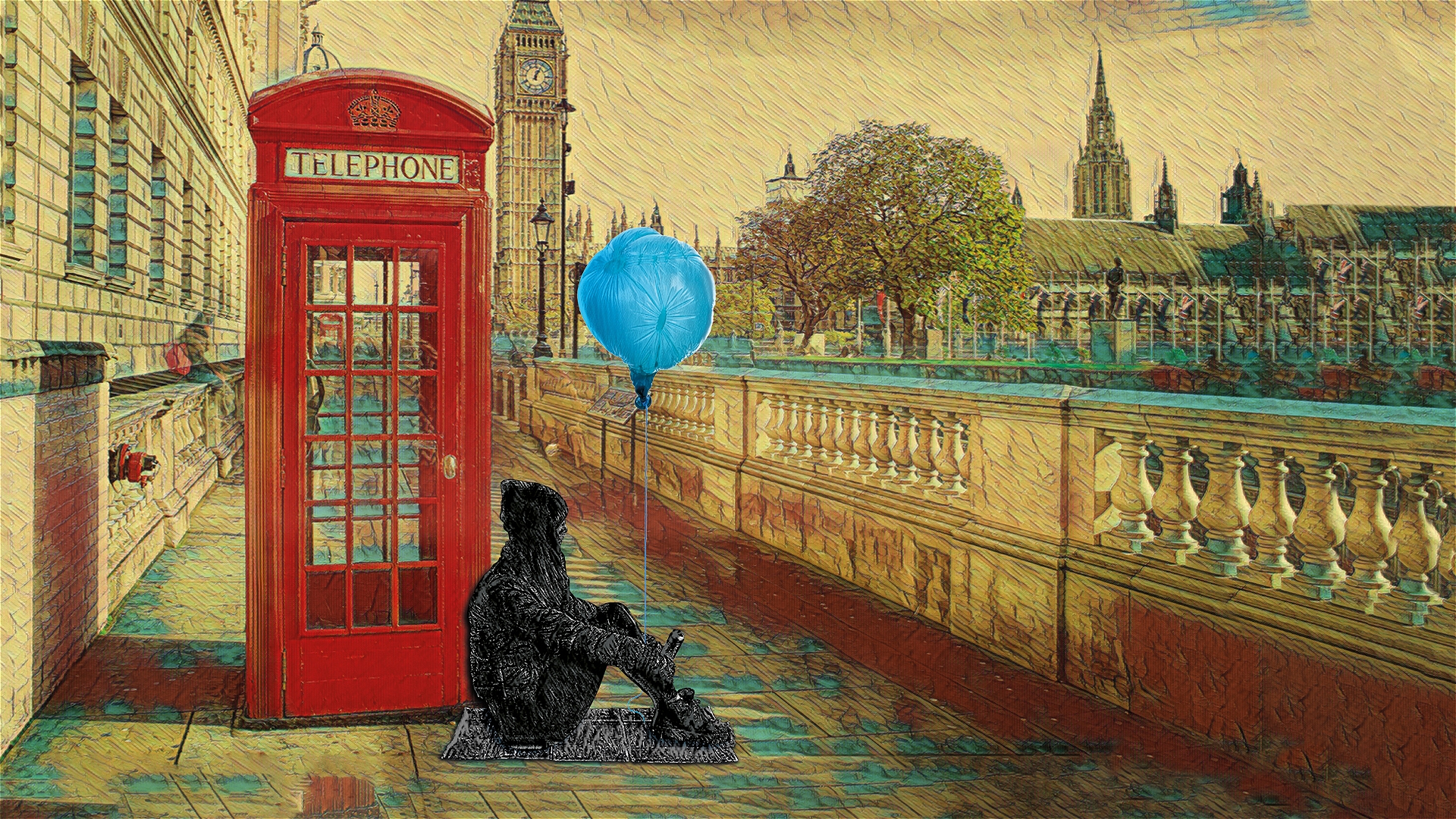
Homelessness might not seem like a stage-friendly topic. With the announcement of new laws that might further criminalise rough sleeping, it could seem risky to explore such a complex topic on stage. However, The Streets of London, produced and performed by Amy Wakeman, perfectly balances humour, statistics and verbatim theatre to open the audience’s mind to a topic that is too easily ignored.

Continue reading

RAH, Hen & Chickens Theatre and Hope Theatre

By Luisa De la Concha Montes

RAH is a play written and performed by Laila Latifa. Set in the bedroom of Manal, a half-Moroccan, half-British woman in her early twenties, the play bravely depicts a history of belonging. Structured as a monologue, the script explores Manal’s internal ramblings, exposing the truth about her family, her feelings of inadequacy at university, and her difficulties navigating her sex life within the context of an overtly religious family.

Continue reading