When We Died, Edinburgh Festival Fringe

by an anonymous guest critic

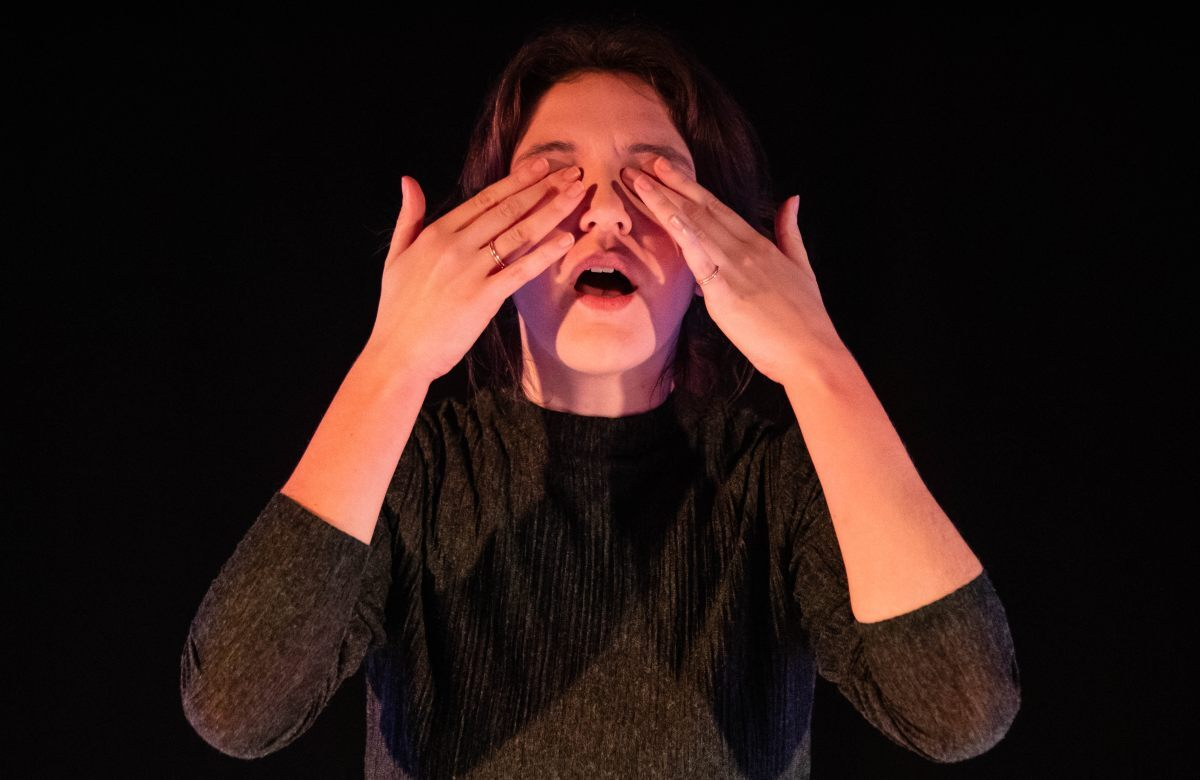
Working in a funeral home is no fun, but it’s even worse when you encounter somebody you knew while at work. For Rachel, it is the body of a man who sexually assaulted her 11 months ago – a nightmare scenario if ever there was one. Rachel is more calm and professional than anybody could believably expect in these circumstances. As she begins the process of embalming, she recounts the story to the audience whilst working through her feelings of anger, guilt and frustration, and of how she drove her family away and retreated from the world.

Continue reading
Gusla, Edinburgh Festival Fringe

by Laura Kressly

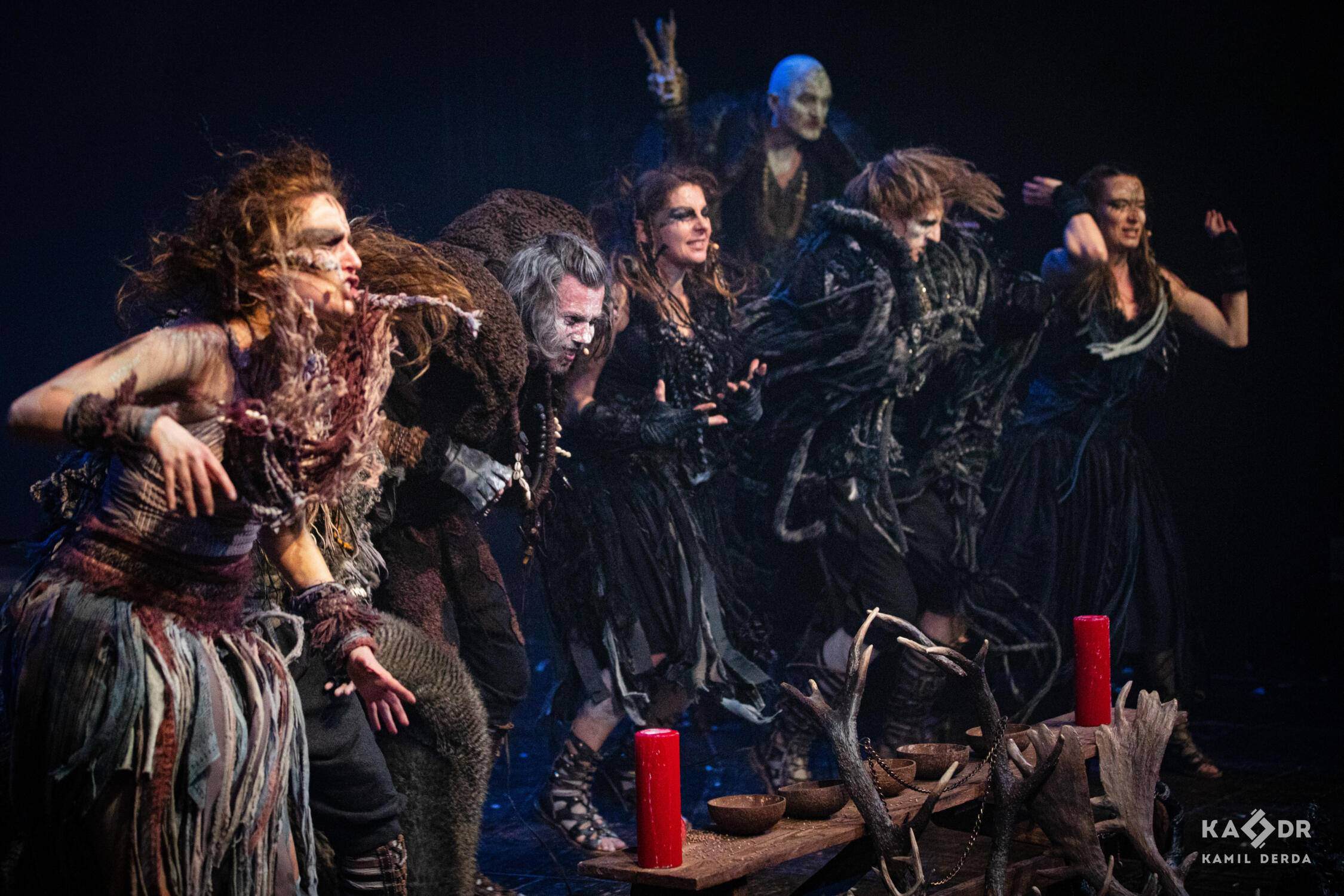
Adam Mickiewicz is widely considered Poland’s equivalent to Shakespeare. His play Dziady is split into four parts, the second of which inspires this ritualistic, highly visual performance. Created by Song of the Goat Theatre founder Grzegorz Bral and performed in Polish, excellent design and heightened emotion communicate universal feelings around death and grief despite the language barrier.

Continue reading

Paines Plough Roundabout, Edinburgh Festival Fringe

by Laura Kressly

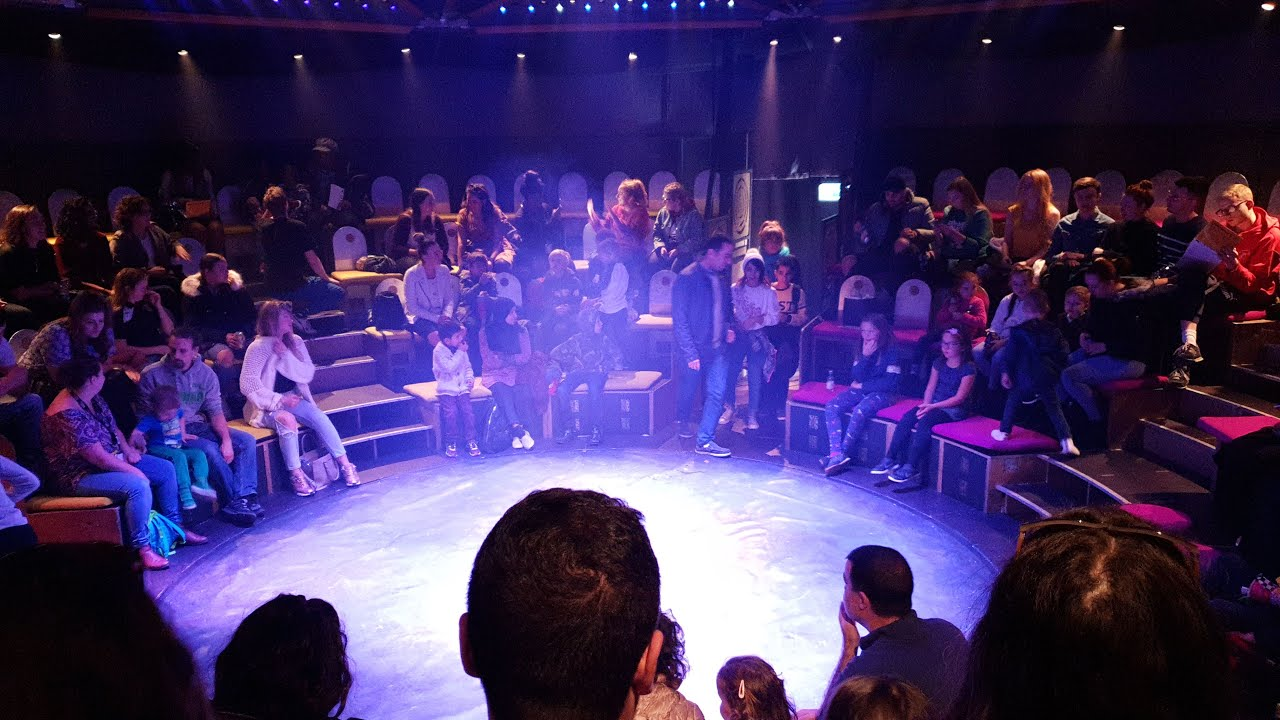
After several hard years, Paines Plough’s popup theatre’s programme seems to know that our fractured, individualistic society needs some love and care. Six of this year’s shows reflect this: characters feeling lost, adrift or unfulfilled are desperately searching for someone or something to cling onto and give them purpose, or to help them feel less alone.

Continue reading

JM Coetzee’s Life & Times of Michael K, Edinburgh Festival Fringe

by Laura Kressly

The South African companies Handspring Puppet Company and the Baxter Theatre have a world-renown reputation for puppetry and theatre, respectively. In this adaptation of the JM Coetzee novel, the puppetry is as good as anticipated, but the two hour-long, rambling story pushes the limits of audience patience and dulls the effect of the show’s message.

Continue reading

James Rowland: Piece of Work, Edinburgh Festival Fringe

by Laura Kressly

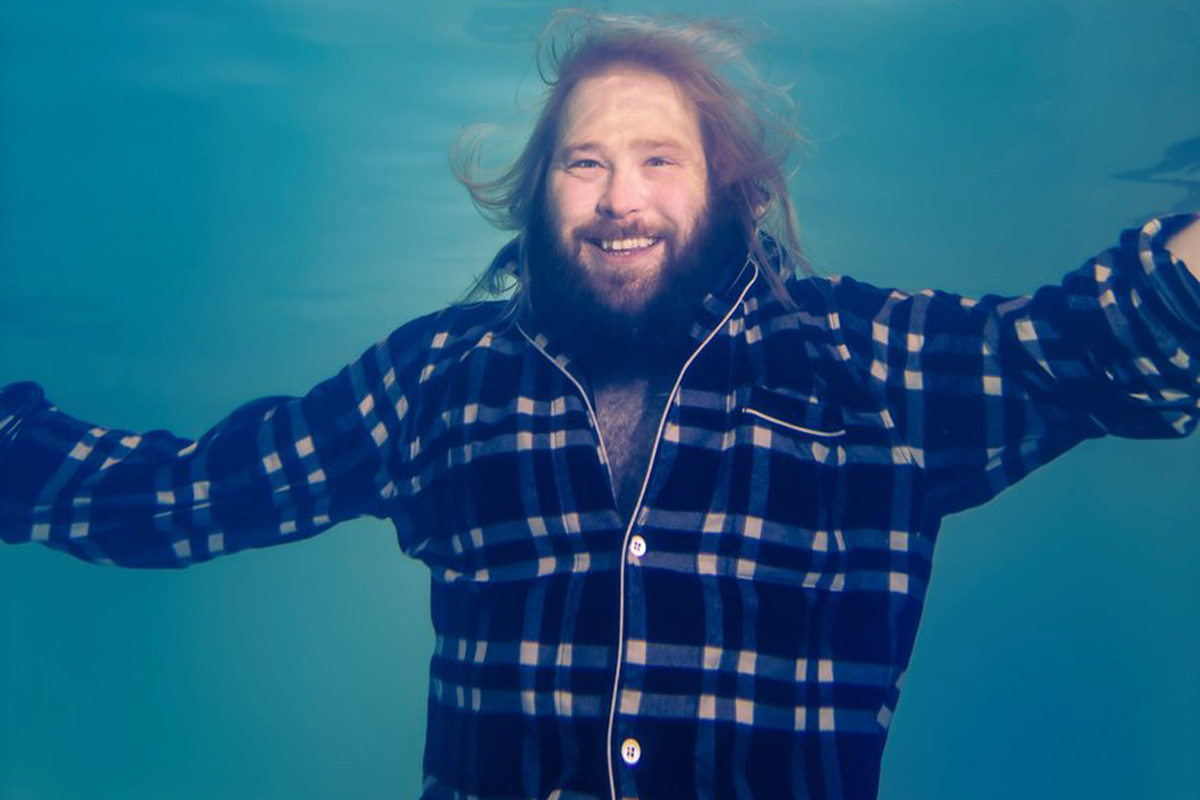
Known for masterful storytelling of gentle comedy and devastating tragedy purportedly from his own life, James Rowland opens his newest play with a line from Hamlet. This foreshadows less humour and more melancholy, but both come in spades in this monologue on father-son relationships and mental health.

Continue reading

OommoO, Edinburgh Festival Fringe

by Laura Kressly

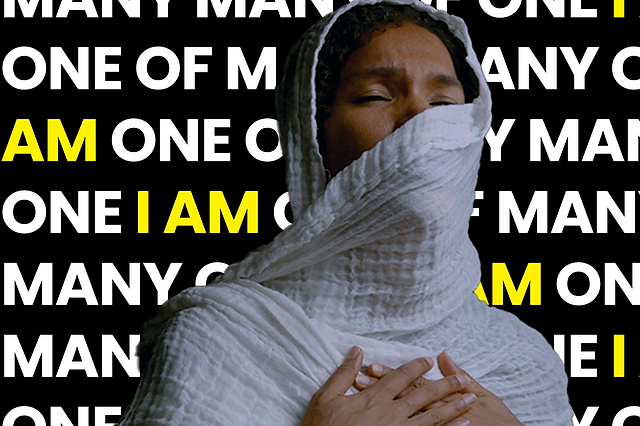
Lula Mebrahtu inhabits multiple worlds: the UK, Eritrea, the present and her ancestors’ past. To construct this show she draws on traditional dance, contemporary British club culture, and Afro-futurism to create a unique dramaturgy that seeks to capture the experience of living across multiple cultures.

Continue reading

Concerned Others, Edinburgh Festival Fringe

by Laura Kressly

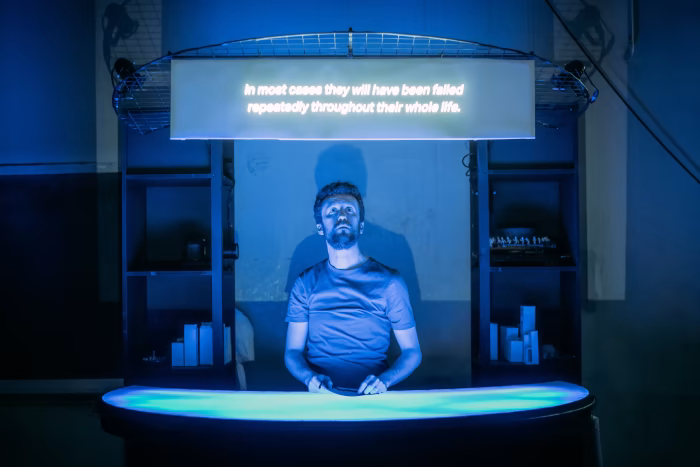
Scotland has one of the highest drug-related death rates in the world. This suggests that addiction is woven into the country’s fabric and should be understood, but recorded testimony in this production tells us that society broadly holds the view that addiction is down to personal weakness or moral failing. Tortoise in a Nutshell impressively combine puppetry, animation, and installation with data and verbatim accounts to challenge this belief and other stereotypes about addiction.

Continue reading

Beautiful Evil Things, Edinburgh Festival Fringe

by Laura Kressly

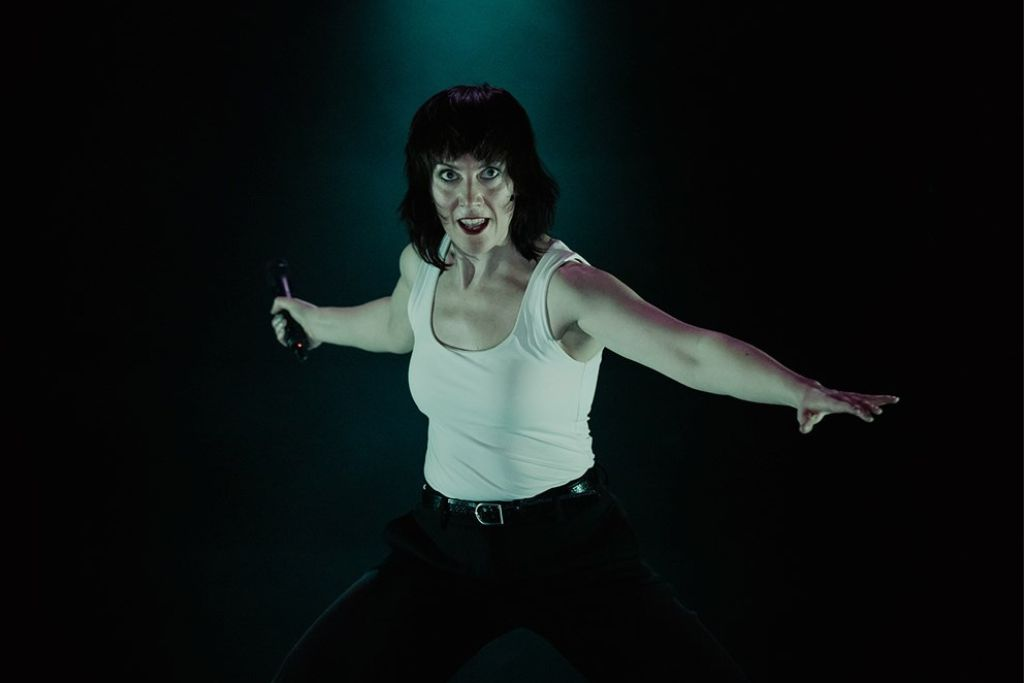
Theatre Ad Infinitum has developed a reputation for excellent storytelling about a vast range of subjects, all performed with a distinctive physical language. Their latest touring show is no different. The solo performance platforms some of the women in Greek mythology who are villianised, minimised and/or ignored by the canon. As well as giving them a chance to tell their stories, the show prompts reflection on women’s depiction in legend and literature.

Continue reading

Glass Ceiling Beneath the Stars, Edinburgh Festival Fringe

by Laura Kressly

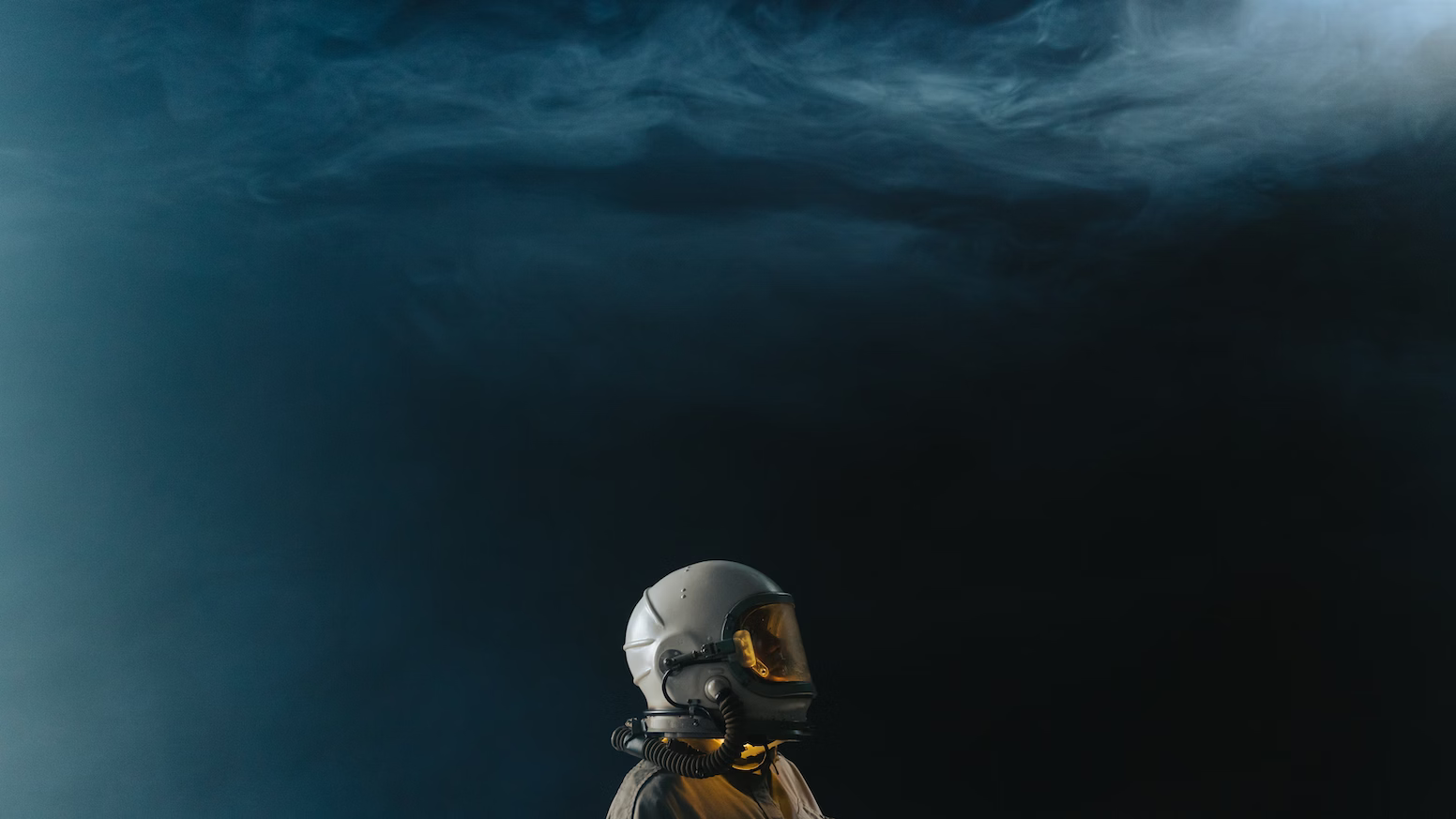
In 1992, Nasa’s shuttle launch Endeavour STS-47 had two firsts in its crew: an African American woman, and a married couple. Though the first is a major achievement in terms of racial equality and representation, the media was far more interested in whether or not the married couple had sex in space. A cast of five women use this remarkable, real-life history to consider racism and misogyny at NASA and more widely in this highly visual show.

Continue reading

After the Act, Edinburgh Festival Fringe

by Laura Kressly

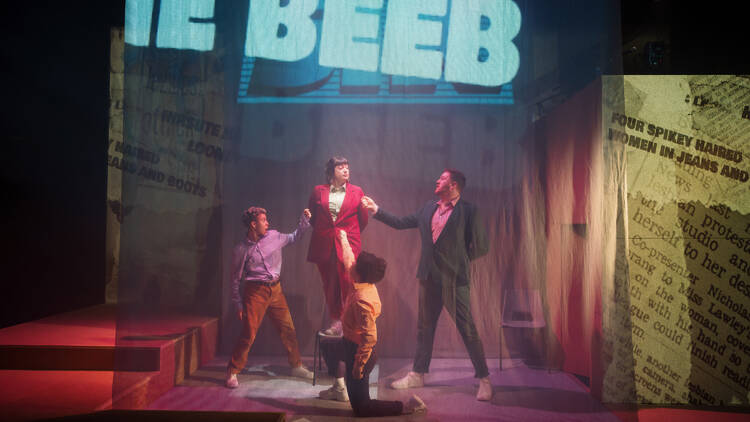
Section 28, the British law that prohibited the ‘promotion’ of homosexuality by local authorities, was passed in 1998 by Margaret Thatcher’s government. Though repealed in 2000 in Scotland and 2003 in England and Wales, Ellice Stevens (she/her) & Billy Barrett’s (he/him) verbatim musical demonstrates the harm this legislation caused on millions of queer people, and serves as a warning against today’s rampant transphobia.

Continue reading