Man of 100 Faces, Edinburgh Festival Fringe

by Laura Kressly

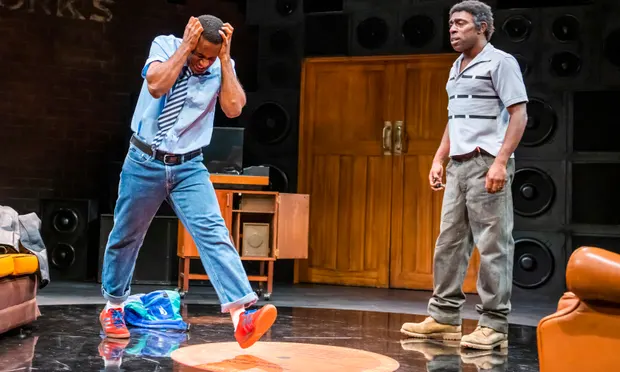
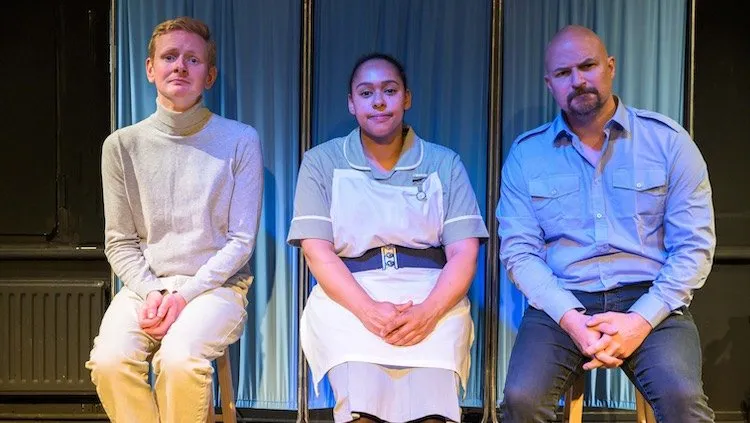
The disaffected son of a clergyman, Sir Paul Dukes, ran away to Russia to work as a musician. While there, the Russian Revolution started and British intelligence recruited him to work as a secret agent. He was to smuggle prominent people and useful materials across the border to Finland, and otherwise do what spies do without getting himself killed. Reportedly a master of disguise, the so-called ‘man of a 100 faces’ is portrayed by the versatile and energetic Saul Boyer, though the story is so dense and frenetically told that it is difficult to keep track of the various subplots and characters.

Continue reading
The Girl Who Was Very Good at Lying, Edinburgh Festival Fringe

by Bryony Rae Taylor

21-year-old Catriona is very good at lying. She knows she isn’t supposed to, but she just can’t help herself when a ‘not unhandsome’ American man comes into the pub where she works. Craving some exhilaration and a reprieve from her mother’s grilling about whether she is living an exciting life yet or not, Catriona takes American Man on a wild goose chase of tall tales around her small home town in Northern Ireland.

Continue reading

This Is Paradise, Edinburgh Festival Fringe

by Laura Kressly

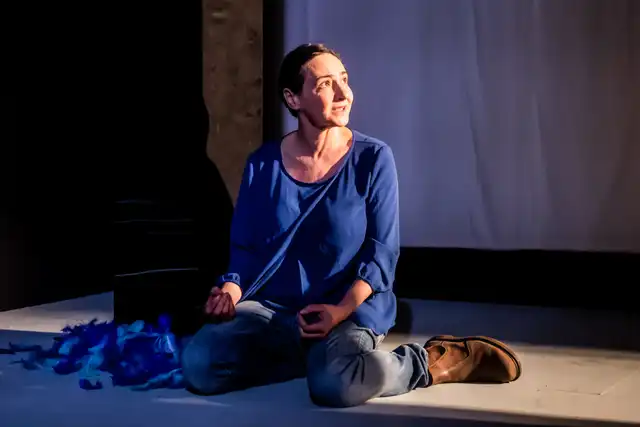
Kate is a 30-something woman in Belfast expecting her first child with her husband, Brendy. At the same time, Northern Ireland and its political parties have announced that peace is finally coming. Though Kate and her country should be looking forward, she is troubled by recurring abdominal pain and memories from her past that threaten the peace she has made for herself.

Continue reading

Happy Meal, Edinburgh Festival Fringe

by Laura Kressly

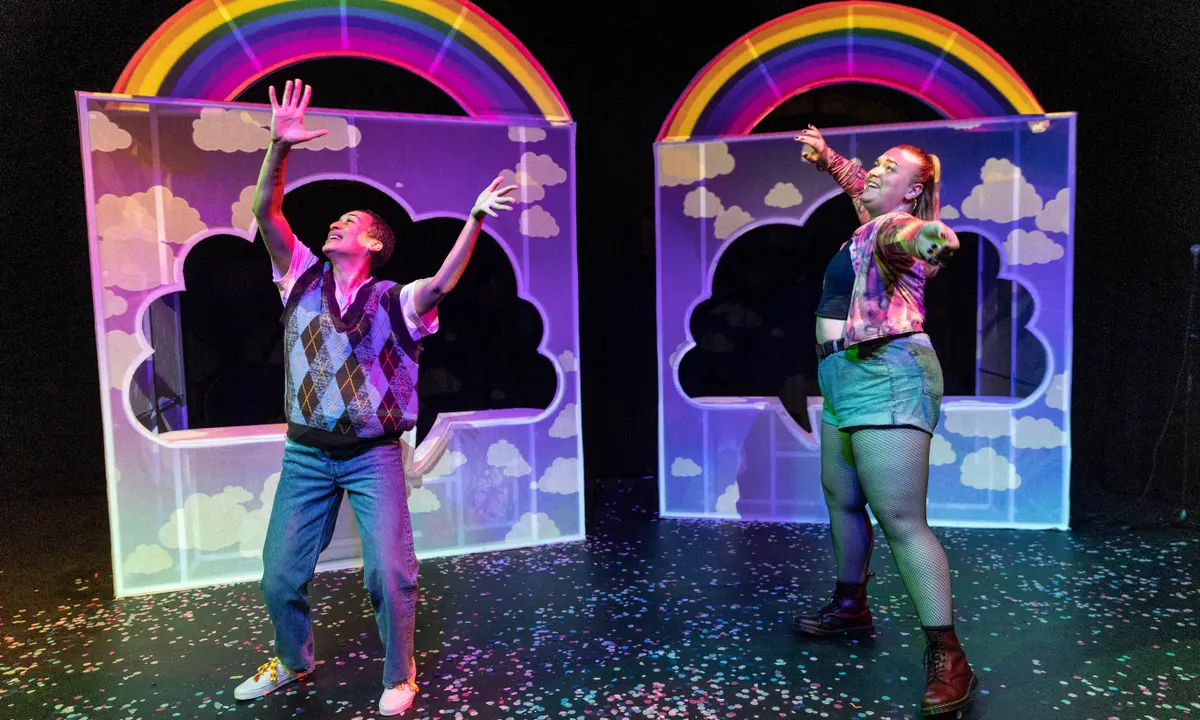
Bette and Alex first meet as young teenagers in the early-00s on the kids’ online gaming platform, Club Penguin. As they grow up, they move to MySpace and Neopets, then Facebook, Twitter and Reddit. As much as older generations are quick to criticise young people being terminally online, the anonymity of these platforms allow them to safely be their authentic selves. In Alex’s case, he’s a closeted trans guy living as a lesbian. Bette, also trans, appears to be a gay boy. As their relationship develops and they navigate their transitions, the pressures of cisnormativity cause tension that risks the collapse of their long-term, online friendship.

Continue reading

The Darkest Part of the Night, Kiln Theatre

by Lewis Wood

Autism isn’t a subject that theatre shies away from. Portraying Autism onstage can be difficult, but plays such as Curious Incident of the Dog in the Nighttime have done an effective job of not only showing different ways that autistic people interpret the world, but also the difficulties resulting from neurotypical people’s reactions to Autism. A crucial factor of other prominent shows with autism, however? A white protagonist.

Continue reading

I Can’t Hear You, Theatre503

by Laura Kressly

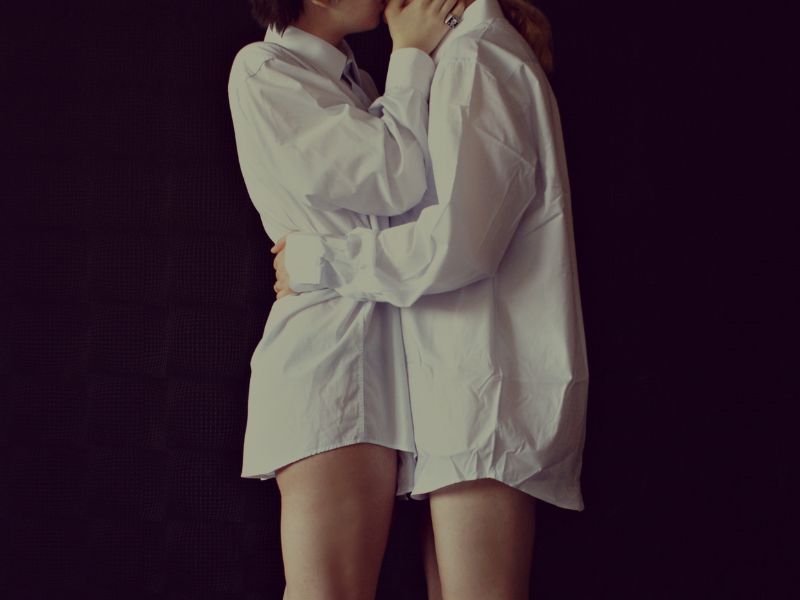
After Ash and Lucy hook up after work drinks, things quickly get serious between the two young call centre workers. Initially they can’t get enough of each other, but something shifts between them after a homophobic attack on a night out. Their different responses ultimately drive a wedge between them, though underneath this conflict there is genuine and joyful queer love.

Continue reading

Favour, Bush Theatre

by Zahid Fayyaz

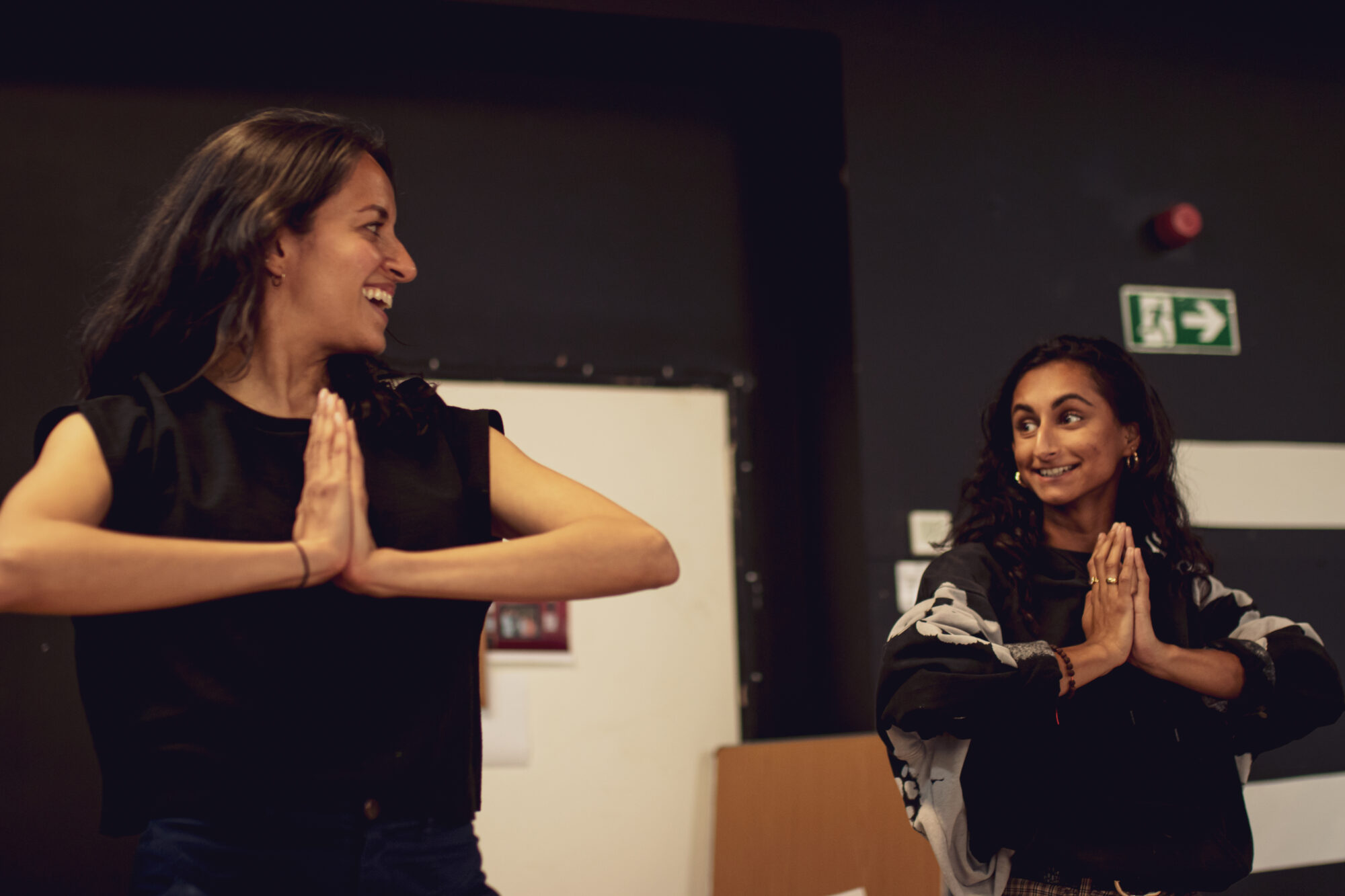
This is a brand new play, co-commissioned by the Bush Theatre and Clean Break Theatre Company. Clean Break was formed in 1979, and focuses on given women, who have experienced the justice and prison systems, opportunities to work and tell their stories through theatre and performance. This particular story focuses on the release of Aleena from prison, and how this release impacts her daughter Leila, who was been living with Noor, her grandmother during Aleena’s imprisonment. There is a clash of philosophies between the traditional Noor and the freer-spirited and highly strung Aleena, with family secrets threatening to come to a head.

Continue reading

Moment of Grace, Hope Theatre

by Diana Miranda

Moment of Grace by Bren Gosling narrates Princess Diana’s visit to Britain’s first HIV/AIDS unit at the end of the eighties. It’s a personal and moving show that addresses people’s misconceptions that kept AIDS a taboo, driven by anger and fear. The show is produced by Backstory Ensemble Productions in association with The National HIV Story Trust (NHST), a charity set up to ensure the history of the 80’s and 90’s HIV/AIDS pandemic is not forgotten.

Continue reading

Singin’ in the Rain, New Wimbledon Theatre

by Zahid Fayyaz

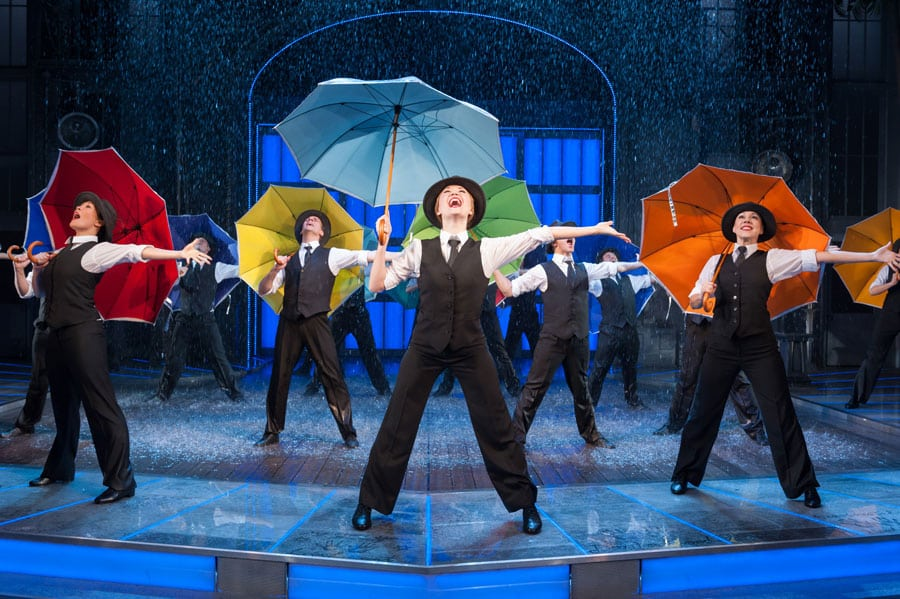
This adaptation of the much-loved 1952 Gene Kelly film has had a very productive life as a stage musical, what with its catchy songs and tap dancing routines. This particular touring production by Jonathan Church previously ran in the West End and Sadler’s Wells so as expected, the dance has received a lot of attention. The lovely New Wimbledon Theatre where it’s on for this leg of the tour is one of the bigger theatres that lie outside of the West End on the edges of London.

Continue reading

No Particular Order, Theatre503

by Laura Kressly

An Optimist’s Take

Children’s TV performer Fred Rogers once said, “When I was a boy and I would see scary things in the news, my mother would say to me, “Look for the helpers. You will always find people who are helping.” Though horrific events drive Joel Tan’s eon-spanning play, it celebrates those who get us through the worst of times.

Four actors (Jules Chan, Pandora Colin, Pía Laborde-Noguez, and Daniel York Loh) play what feels like dozens of characters across multiple cities, nations and worlds over more than 300 years. The people we meet in each self-contained scene of the episodic script are unrelated to all the others; instead they are brought together by survivorship and hope. The cumulative effect of these people and their experiences is one where they blur into each other regardless of when and where their scenes unfold, but this doesn’t matter. It also tests the limits of each actor’s range with varying results – some characters aren’t particularly distinct. However, what resonates is that humanity keeps going because of its drive to look after each other.

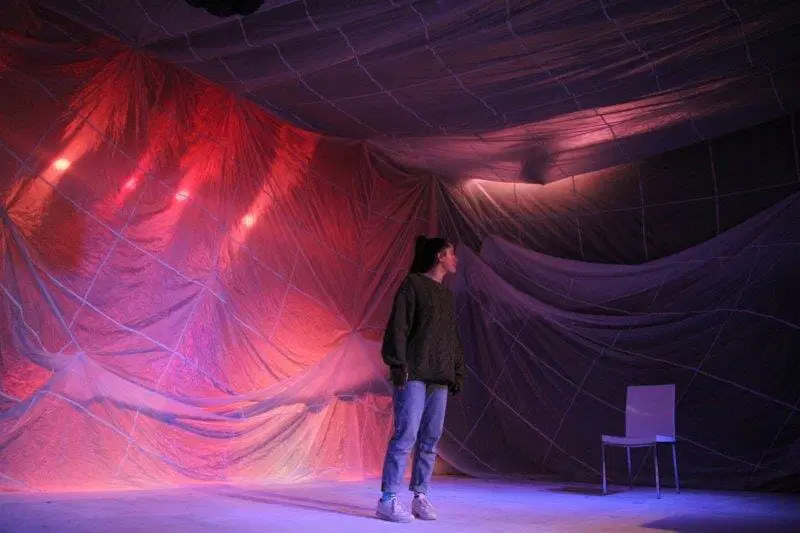
Ingrid Hu’s set design is simple, but soft and timeless. White and black cloth forms a textured back wall and a pillowy, cloud-like ceiling that gently holds the cast of four. The transitions between each scene are clearly signalled with lighting and sound motifs. Their predictability is somewhat comforting because we know that despite the horrible things the characters experience in any given moment, their lives will eventually improve.

Though it would be great to have more time with some of these characters and see how their stories unfold, by the end the human race-wide perseverance serves as a reminder that we are more powerful as a collective rather than individuals during times of adversity. Though this is an intimate staging with a small cast, it is boundless in its esteem for humanity.

A Pessimist’s Reflection

An eternal truism of the human race is that we are and forever will be awful to each other. In Joel Tan’s eon-spanning play, which is essentially a collage of short scenes both on our planet and beyond, his vast collection of characters inhabits times and places where war, dictatorship and violence shape their lives.

The cast of four (Jules Chan, Pandora Colin, Pía Laborde-Noguez, and Daniel York Loh) play what feels like dozens of characters across multiple cities, nations and worlds over more than 300 years. The people we meet in each self-contained scene of the episodic script are unrelated to all the others; instead they are brought together by shared horrific circumstances. The overarching effect is one of the never-ending despair and suffering that shape the human condition. There are no meaningless platitudes about things eventually looking up or rose-tinted views of the real world; instead we are reassured that our individual pain is real, but shared. Everyone is going through it, and always will be.

Designer Ingrid Hu uses drapes of plain black and white cloth to lower the theatre’s ceiling and line its walls. The neutral colours and pillowy shapes dampen the sound and create a timeless claustrophobia from which the cast cannot escape. The stark palate evokes the good-evil binary that shapes each of these people’s existence. Militaristic sound effects underpin each transition and relentlessly propel time forward.

Though it would be great to have more time with some of these characters to see how their stories unfold, by the end of the play the relentless conflict between groups of people (and other creatures) remind us that ultimately, most of us have little to no power within society’s hierarchies. However, we must keep going despite the injustice we endure because this is what really makes us human. Though this is an intimate production with many moments of care, Tan’s play is an epic reminder that people never change and we must simply do our best to carry on.

No Particular Order runs through 18 June.

The Play’s the Thing UK is committed to covering fringe and progressive theatre in London and beyond. It is run entirely voluntarily and needs regular support to ensure its survival. For more information and to help The Play’s the Thing UK provide coverage of the theatre that needs reviews the most, visit its patreon.