This is Not a Show About Hong Kong, Edinburgh Festival Fringe

by Laura Kressly

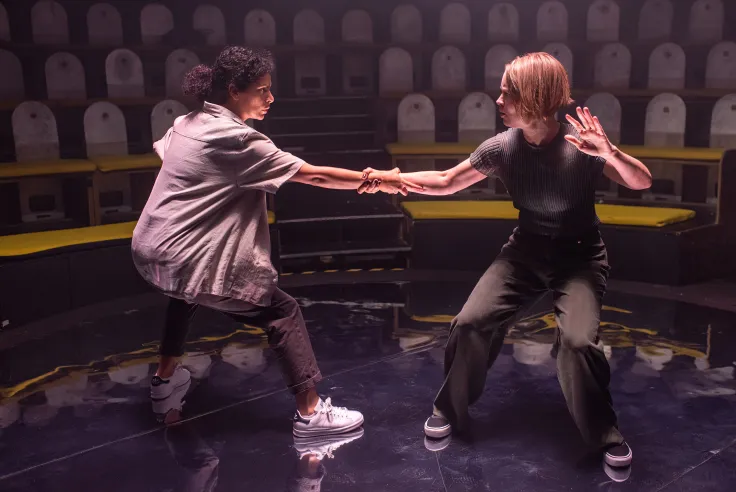
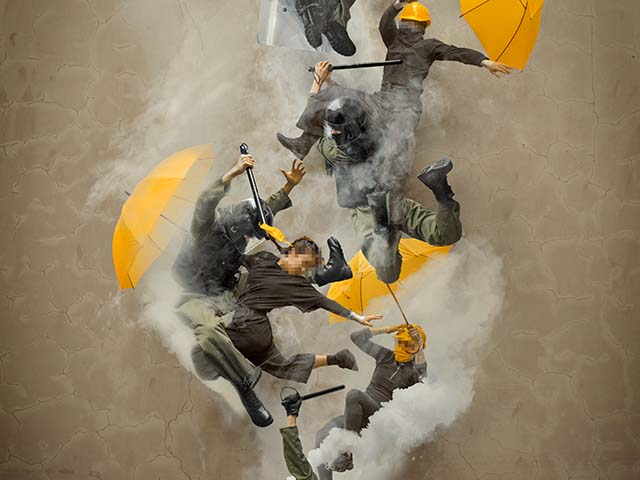
At the start of this piece that is definitely not about Hong Kong, we are asked not to take photographs. This is because the performers, who are absolutely not from Hong Kong, could face persecutions under China’s National Security Bill if they were caught making a show about Hong Kong. But this is all hypothetical, because this physical theatre show is not about Hong Kong.

Continue reading
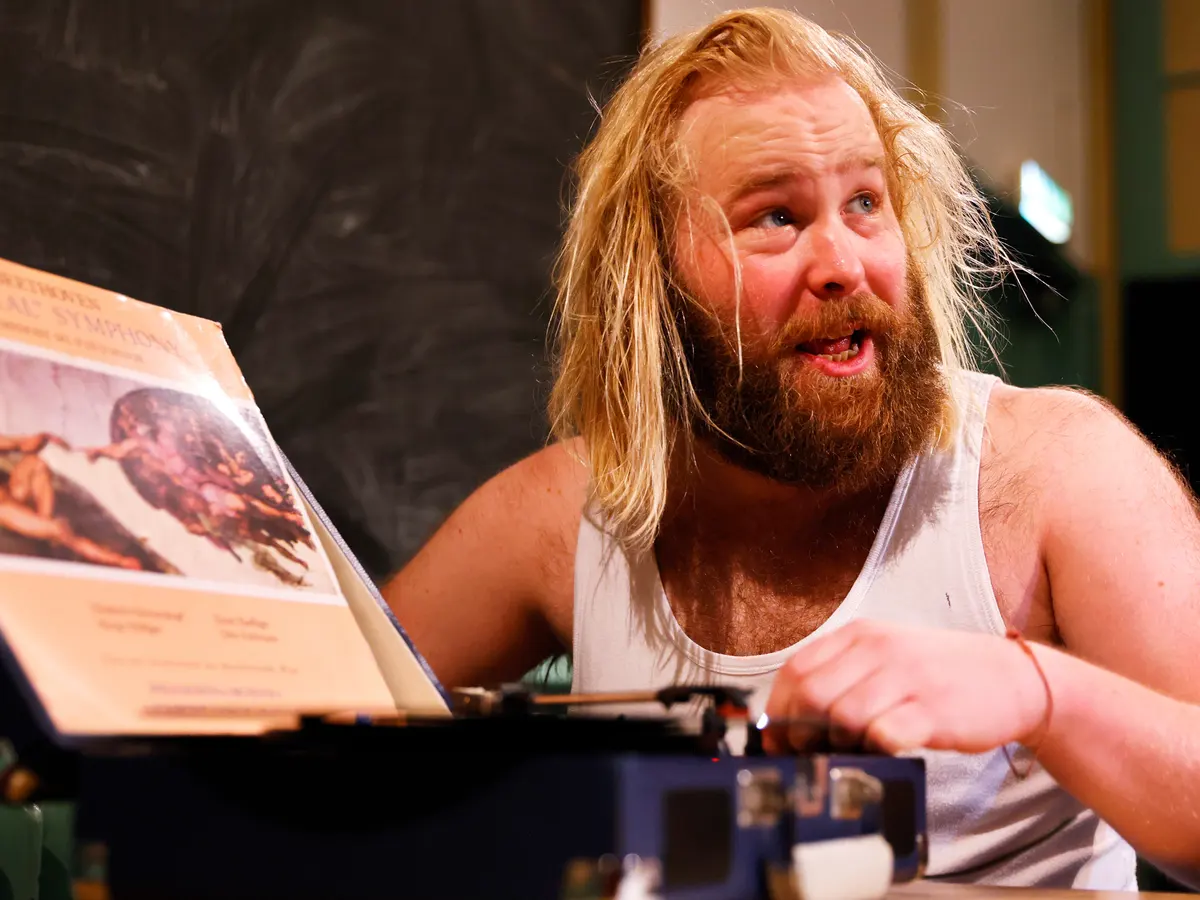
Boy, Edinburgh Festival Fringe

by Laura Kressly

In 1965, a Canadian couple give birth to identical twin boys, Brian and Bruce. When Bruce’s circumcision is botched and he is left without a penis, a doctor convinces his parents that the best way forward is to raise him as a girl. He thinks that with hormones and clear gender roles, Bruce – now Brenda – will be able to lead a normal life. The desperate parents eventually agree. This true story, dramatised by two adult performers and a zoo of soft toys, emphasises how enforcing strictly-defined gender binaries and stereotypes can have far-reaching, tragic consequences.

Continue reading

Learning to Fly, Edinburgh Festival Fringe

by Laura Kressly

James Rowland’s Songs of Friendship trilogy focuses on the equally hilarious and moving antics he got up to with his best mates Tom, Sarah and Sarah’s partner Emma over the years. These include stealing a friend’s remains and giving him a Viking funeral, and donating sperm to Sarah and Emma. This show is situated outside of that group of friends. Instead, it focuses on another mate who is far less conventional. Though Rowland’s work here is not as neat or as focused as his previous shows, his seemingly truthful delivery and comic timing are as engaging as ever.

Continue reading

Manic Street Creature, Edinburgh Festival Fringe

by Laura Kressly

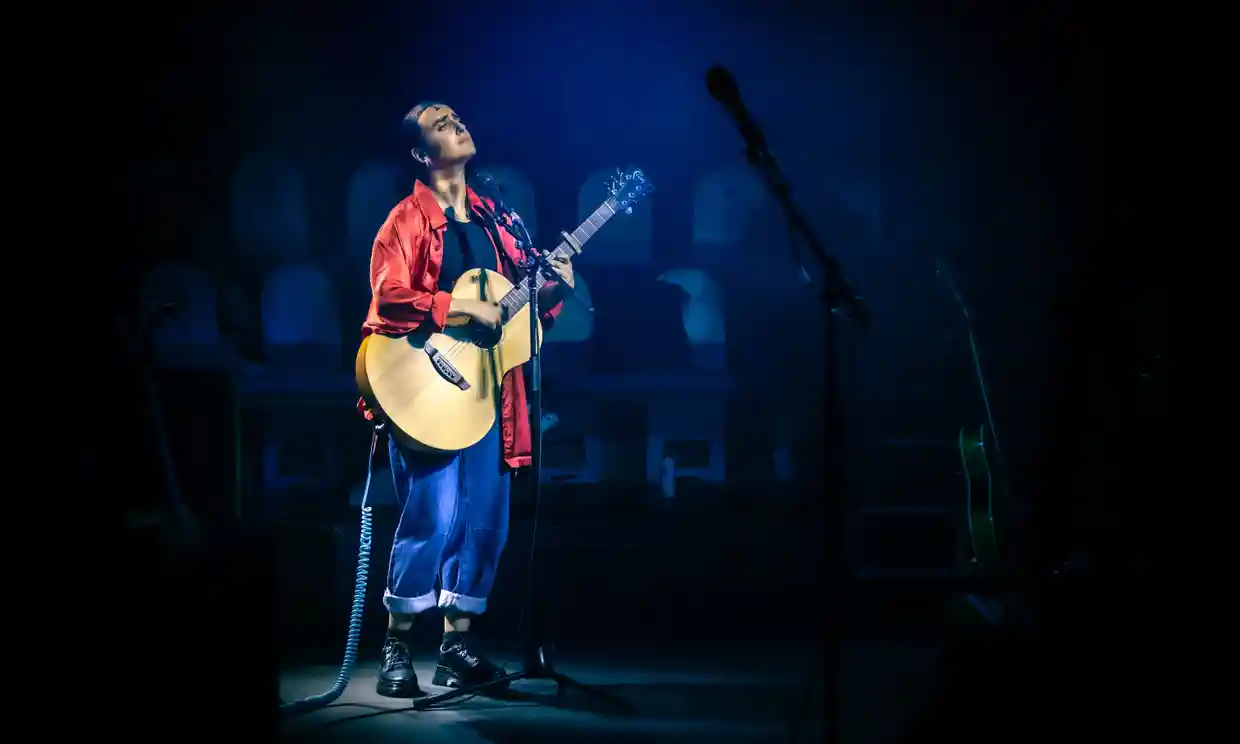
At Ria’s first gig after moving to London to work as a musician, she is captivated by an Irish bartender, Daniel. They soon develop an intensely unhealthy, co-dependent relationship where she wants to fix him and he struggles to survive a debilitating mental illness. Using music to document their relationship, her feelings towards her absent father and living down south, this soulful gig-theatre show conveys her all-consuming experience with gentleness and a big heart.

Continue reading

A Sudden Violent Burst of Rain, Edinburgh Festival Fringe

by Laura Kressly

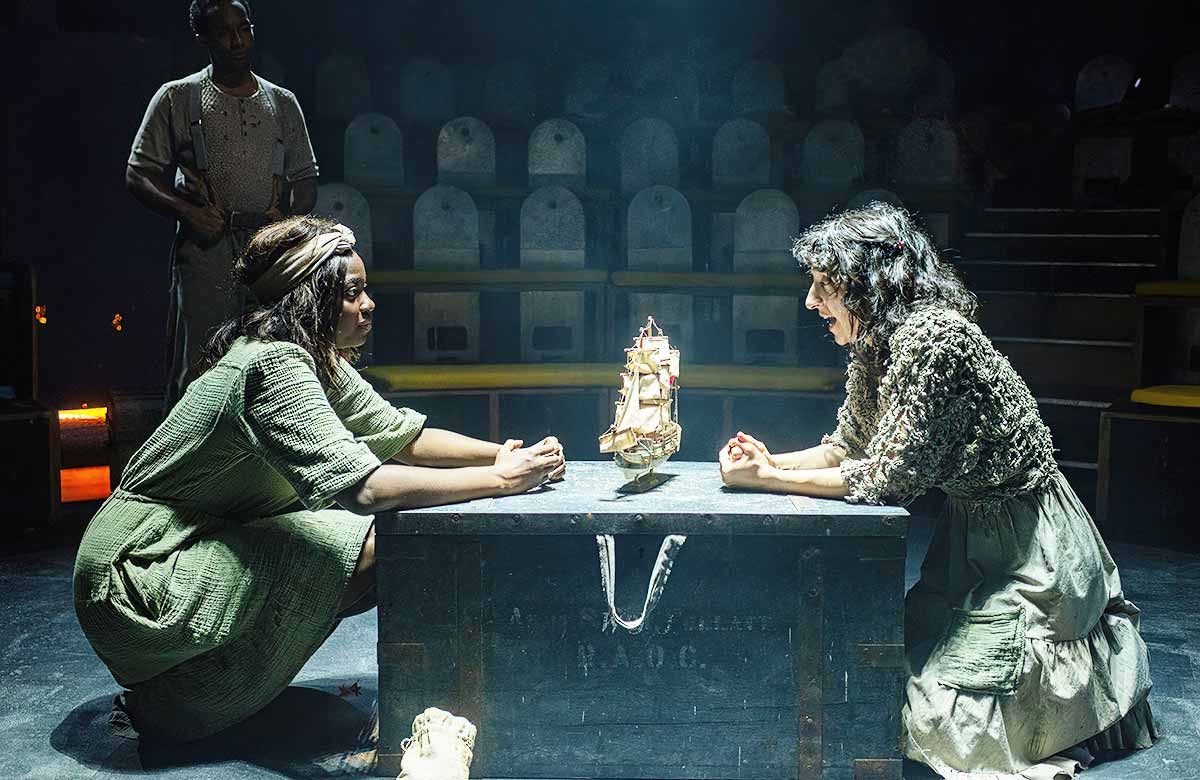
Elif has come to a picturesque island nation as a child seeking a better life, and finds work as a shepherdess charged with minding a landowner’s flock of sheep. Though the tyrant landowner brazenly uses her power and Elif’s undocumented status to exploit her, she quietly gets on with her job and waits for the King’s administration to process her citizenship application. This simply-written fable by Sami Ibrahim depicts an old-fashioned, magical country with an immigration system that parallels Britain’s, with an aim to critique the hostile environment. Though there are some lovely individual moments, the story is slow and often stagnant, and the political commentary clumsy and heavy-handed.

Continue reading

Sap, Edinburgh Festival Fringe

by Laura Kressly

Bisexual women are rarely represented in theatre, particularly in a way that doesn’t brush them off as indecisive, slutty or secretly straight or gay. Rafaella Marcus’ unnamed protagonist (played by Jessica Clark) is none of these things. The charity worker genuinely fancies and can fall in love with both women and men. The violence and biphobia she encounters is real, too. Using symbolic imagery, narration and dialogue, the fully-realised character captures the authentic complexities of living and loving as a bi woman.

Continue reading

This Is Paradise, Edinburgh Festival Fringe

by Laura Kressly

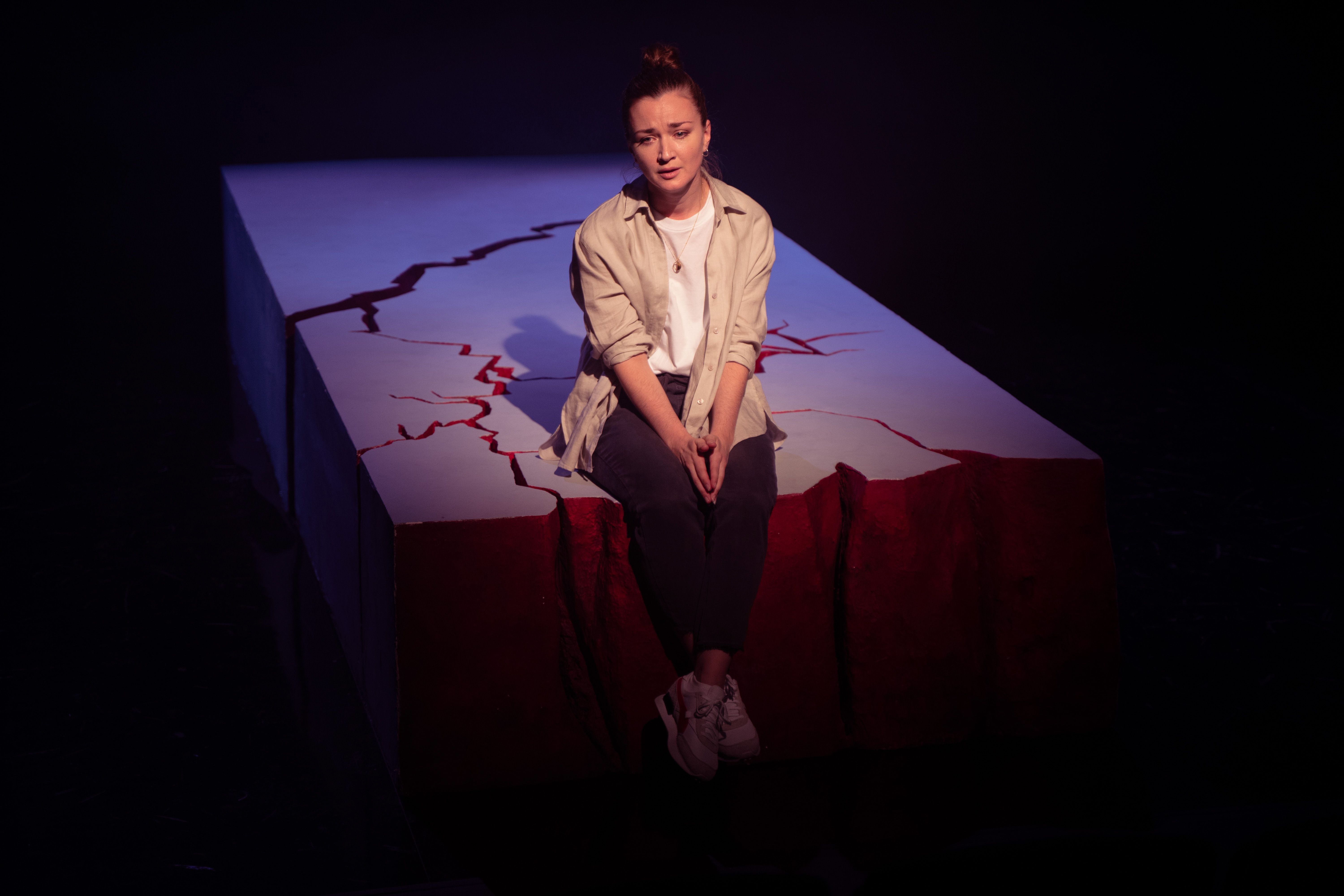
Kate is a 30-something woman in Belfast expecting her first child with her husband, Brendy. At the same time, Northern Ireland and its political parties have announced that peace is finally coming. Though Kate and her country should be looking forward, she is troubled by recurring abdominal pain and memories from her past that threaten the peace she has made for herself.

Continue reading

The Darkest Part of the Night, Kiln Theatre

by Lewis Wood

Autism isn’t a subject that theatre shies away from. Portraying Autism onstage can be difficult, but plays such as Curious Incident of the Dog in the Nighttime have done an effective job of not only showing different ways that autistic people interpret the world, but also the difficulties resulting from neurotypical people’s reactions to Autism. A crucial factor of other prominent shows with autism, however? A white protagonist.

Continue reading

Favour, Bush Theatre

by Zahid Fayyaz

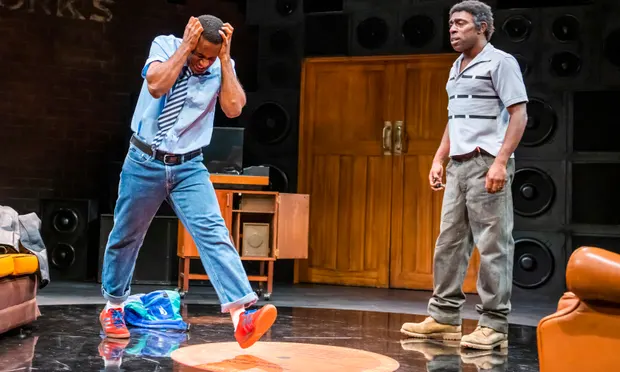
This is a brand new play, co-commissioned by the Bush Theatre and Clean Break Theatre Company. Clean Break was formed in 1979, and focuses on given women, who have experienced the justice and prison systems, opportunities to work and tell their stories through theatre and performance. This particular story focuses on the release of Aleena from prison, and how this release impacts her daughter Leila, who was been living with Noor, her grandmother during Aleena’s imprisonment. There is a clash of philosophies between the traditional Noor and the freer-spirited and highly strung Aleena, with family secrets threatening to come to a head.

Continue reading

No Particular Order, Theatre503

by Laura Kressly

An Optimist’s Take

Children’s TV performer Fred Rogers once said, “When I was a boy and I would see scary things in the news, my mother would say to me, “Look for the helpers. You will always find people who are helping.” Though horrific events drive Joel Tan’s eon-spanning play, it celebrates those who get us through the worst of times.

Four actors (Jules Chan, Pandora Colin, Pía Laborde-Noguez, and Daniel York Loh) play what feels like dozens of characters across multiple cities, nations and worlds over more than 300 years. The people we meet in each self-contained scene of the episodic script are unrelated to all the others; instead they are brought together by survivorship and hope. The cumulative effect of these people and their experiences is one where they blur into each other regardless of when and where their scenes unfold, but this doesn’t matter. It also tests the limits of each actor’s range with varying results – some characters aren’t particularly distinct. However, what resonates is that humanity keeps going because of its drive to look after each other.

Ingrid Hu’s set design is simple, but soft and timeless. White and black cloth forms a textured back wall and a pillowy, cloud-like ceiling that gently holds the cast of four. The transitions between each scene are clearly signalled with lighting and sound motifs. Their predictability is somewhat comforting because we know that despite the horrible things the characters experience in any given moment, their lives will eventually improve.

Though it would be great to have more time with some of these characters and see how their stories unfold, by the end the human race-wide perseverance serves as a reminder that we are more powerful as a collective rather than individuals during times of adversity. Though this is an intimate staging with a small cast, it is boundless in its esteem for humanity.

A Pessimist’s Reflection

An eternal truism of the human race is that we are and forever will be awful to each other. In Joel Tan’s eon-spanning play, which is essentially a collage of short scenes both on our planet and beyond, his vast collection of characters inhabits times and places where war, dictatorship and violence shape their lives.

The cast of four (Jules Chan, Pandora Colin, Pía Laborde-Noguez, and Daniel York Loh) play what feels like dozens of characters across multiple cities, nations and worlds over more than 300 years. The people we meet in each self-contained scene of the episodic script are unrelated to all the others; instead they are brought together by shared horrific circumstances. The overarching effect is one of the never-ending despair and suffering that shape the human condition. There are no meaningless platitudes about things eventually looking up or rose-tinted views of the real world; instead we are reassured that our individual pain is real, but shared. Everyone is going through it, and always will be.

Designer Ingrid Hu uses drapes of plain black and white cloth to lower the theatre’s ceiling and line its walls. The neutral colours and pillowy shapes dampen the sound and create a timeless claustrophobia from which the cast cannot escape. The stark palate evokes the good-evil binary that shapes each of these people’s existence. Militaristic sound effects underpin each transition and relentlessly propel time forward.

Though it would be great to have more time with some of these characters to see how their stories unfold, by the end of the play the relentless conflict between groups of people (and other creatures) remind us that ultimately, most of us have little to no power within society’s hierarchies. However, we must keep going despite the injustice we endure because this is what really makes us human. Though this is an intimate production with many moments of care, Tan’s play is an epic reminder that people never change and we must simply do our best to carry on.

No Particular Order runs through 18 June.

The Play’s the Thing UK is committed to covering fringe and progressive theatre in London and beyond. It is run entirely voluntarily and needs regular support to ensure its survival. For more information and to help The Play’s the Thing UK provide coverage of the theatre that needs reviews the most, visit its patreon.