Mette Ingvartsen’s Skatepark, Sadler’s Wells East

by Luisa De la Concha Montes

Last summer, with four years of on-and-off skateboarding experience under my belt, I keenly tuned in to watch the skateboard showcase at the 2024 Olympics. I remember feeling envious as I saw the skaters stylishly dropping from huge concrete bowls. I mentally returned to the Level in Brighton, where I spent many hours unsuccessfully trying to land a trick, surrounded by familiar faces and the intense smell of weed. There was a huge gap between my memories of skateboarding and the perfectly smooth bowl on the screen. It was numerical and structured; too polished from what I knew as skateboarding. I turned my computer off, incredibly proud of Arisa Trew, Hiraki Cocona and Sky Brown, but feeling slightly detached. How did a sport that started as a form of protest (the legend says that skaters in L.A. would break into rich people’s houses to drain their pools and use them to skate) turn into a $4.8 billion business?

Continue reading

The Employees, Southbank Centre

By Luisa De la Concha Montes

What makes us human? Is it the capacity to feel? Or perhaps our experiences, and how we can sew together memories to create an identity that we can call our own? Is it how we develop relationships with other humans? The ease in which we crave proximity, or fall into patterns of desire? The Employees, a play based on the International Booker Prize-nominated novel by Olga Ravn and directed by Polish theatre artist Łukasz Twarkowski, poses these questions to the audience in quite an unconventional manner.

Continue reading

Death and the Cat, Drayton Arms Theatre

by Diana Miranda

Death and The Cat, directed by Penny Gkritzapi, explores life’s ultimate and inevitable outcome – death – wrapped with absurdist humour and a surprising amount of heart. Robert Emlyn Slater’s debut play gives life (ironically) to Death. What starts as a comedy full of quirky characters slowly reveals itself as a deeper reflection on questions about what infinity means, and how the power of connection may ground our search for meaning within the immeasurable.

Continue reading

Attention Span, Hen & Chickens Theatre

by Diana Miranda

It’s often said that storytelling sets humans apart from the rest of the animal kingdom. What no one says is that telling stories is no rudimentary act, but a labyrinth of tangents, digressions, and U-turns. Enter Brave Mirror Productions and Attention Span, “a series of short sketches for people with short attention spans,” as its creators put it. This high-energy satire turns the mind inside out to dive into its rabbit holes, unravelling the tangled web within the human brain.

Continue reading

In and Out of Chekhov’s Shorts, Southwark Playhouse

by Stewart Robson

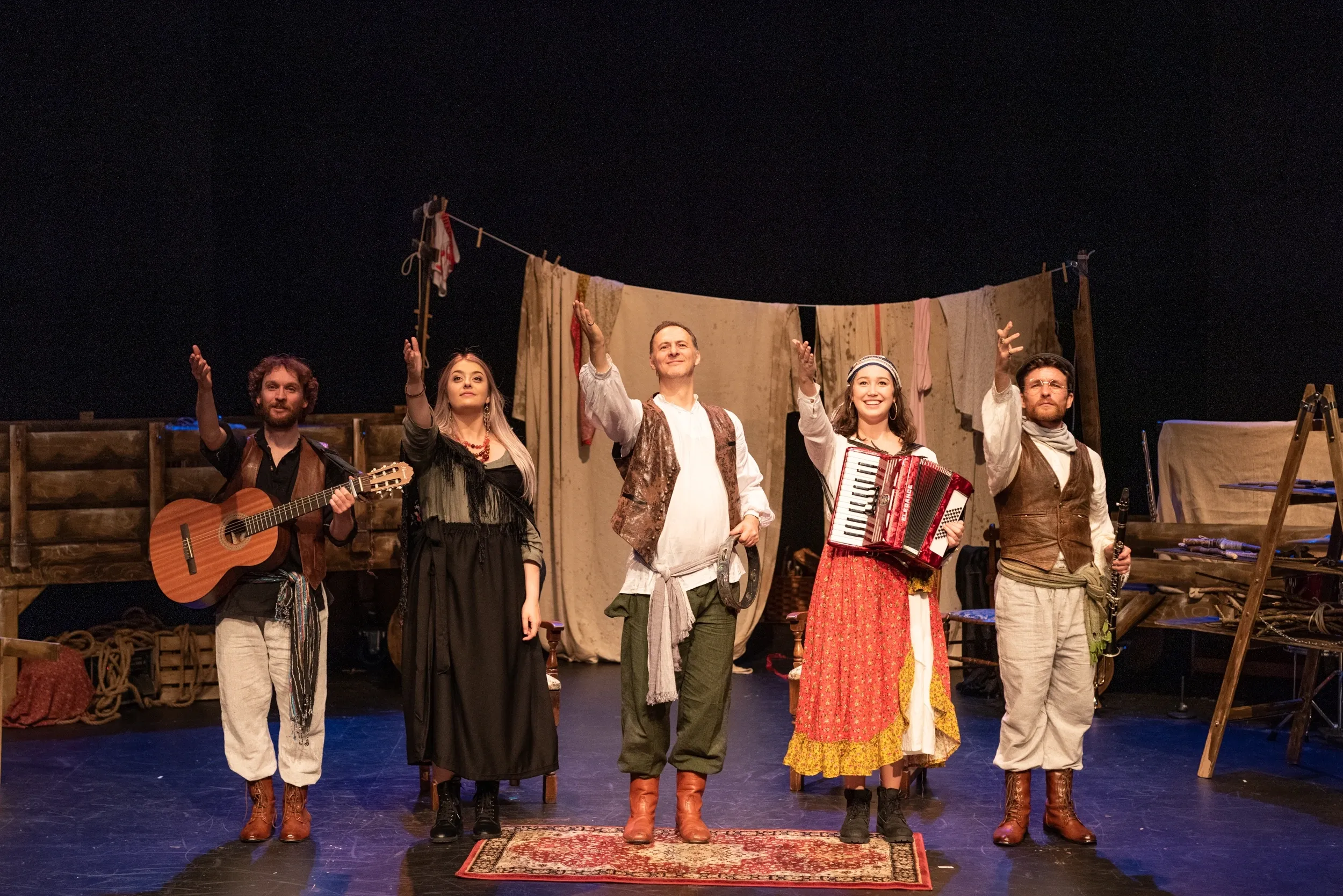
For five performances only (sadly this not a full run), Dragonboy Productions have produced this adventurous adaption of five Chekov short stories: The Lady with the Little Dog, The Chemist’s Wife, At a Summer Villa, An Avenger and The Bear. Eliot Giuralarocca has skilfully adapted and directed these five stories. A brilliant cast of five, including Giuralarocca himself, give the stories a dynamic, farcical structure which plays brilliantly in the large space at Southwark Playhouse.

Continue reading

Journey of a Refugee, Stanley Arts

by Laura Kressly

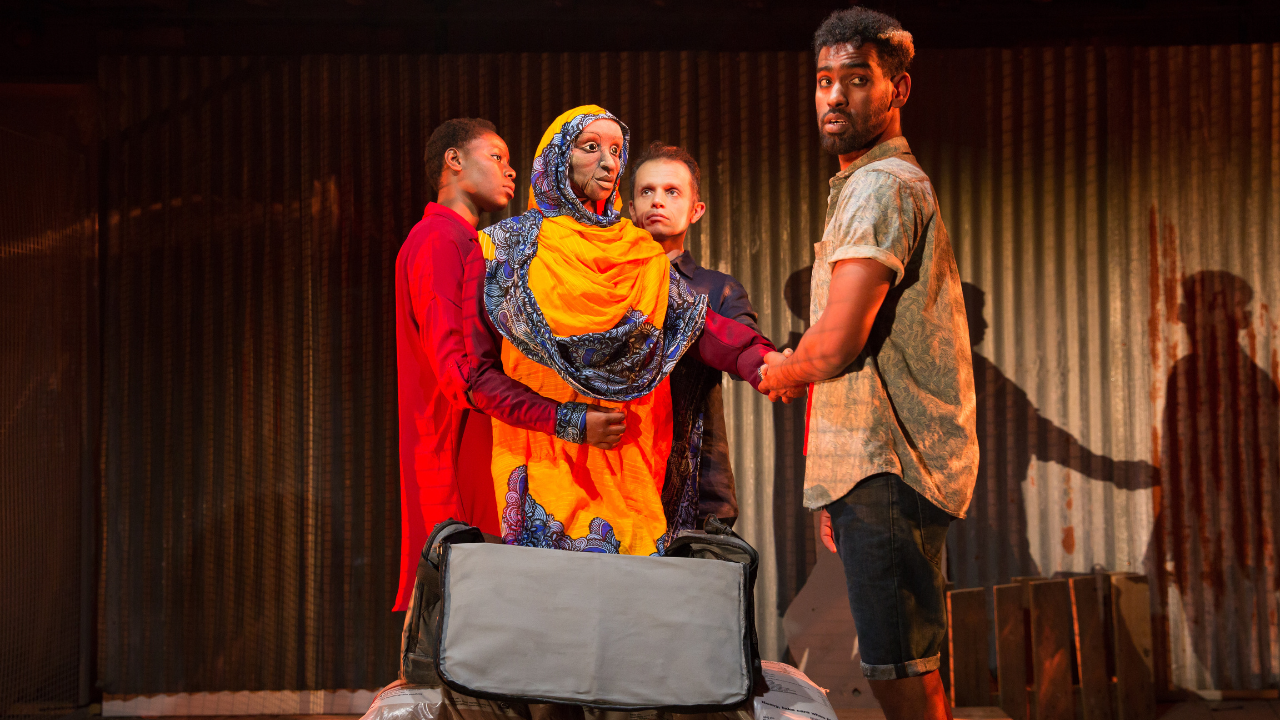
In the Stanley Arts bar, Kassi, Ali, and Daphne hype up the audience for the arrival of a group of refugees. They’ve organised a welcoming party but plans change when only one person, Zain, arrives. He’s initially unenthusiastic about being the centre of attention. With some coaxing after hiding the main performance space, he shares his journey from Sudan using puppetry, dance, and narration. The promenade family show is inclusively crafted with striking design, but doesn’t romanticise his journey or patronise family audiences.

Continue reading

Cowbois, Royal Court Theatre

by Laura Kressly

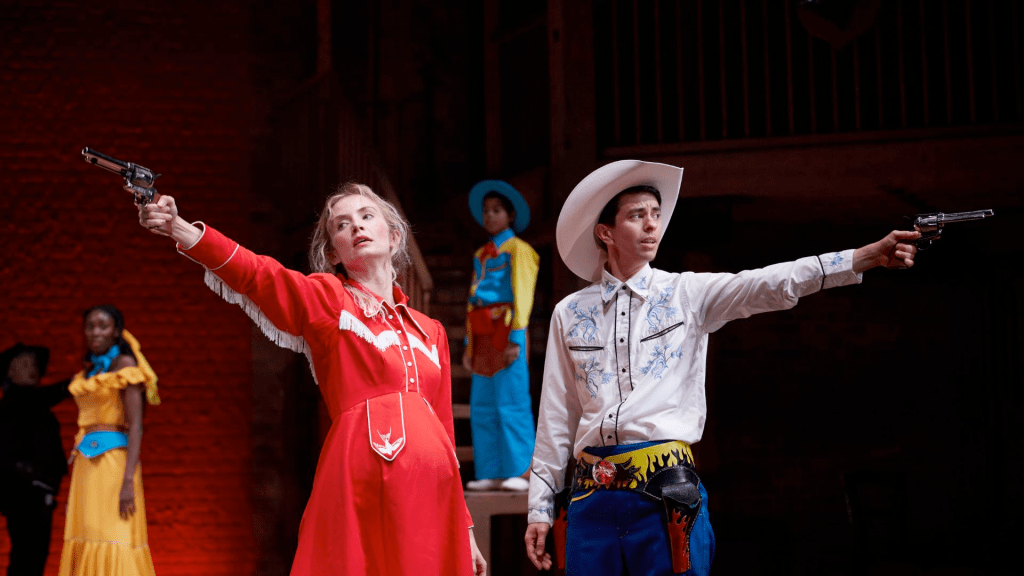
Revolutions are rarely peaceful. The queer one that unfolds in Charlie Josephine’s expansive new play is no different. Yet, heaps of trans and queer joy contrast this violence. Combined, they make a well-balanced celebration and act of resistance. Set in an isolated mountain town’s saloon during the American Gold Rush, the story is immensely ambitious and imaginative in scope but would benefit from further narrative focusing and addressing a couple of the more difficult themes that arise.

Continue reading

Gunter, Edinburgh Festival Fringe

by an anonymous guest critic

This show is the very modern telling of a witch trial that you’ve likely never heard of. In 1605, in a small town in Oxfordshire after an altercation at a football match, Brian Gunter tries to get his neighbour Elizabeth Gregory hung as a witch, blaming his daughter Annie’s mysterious illness on her. Without wanting to spoil the story, it doesn’t quite work out as he planned.

Continue reading

Gusla, Edinburgh Festival Fringe

by Laura Kressly

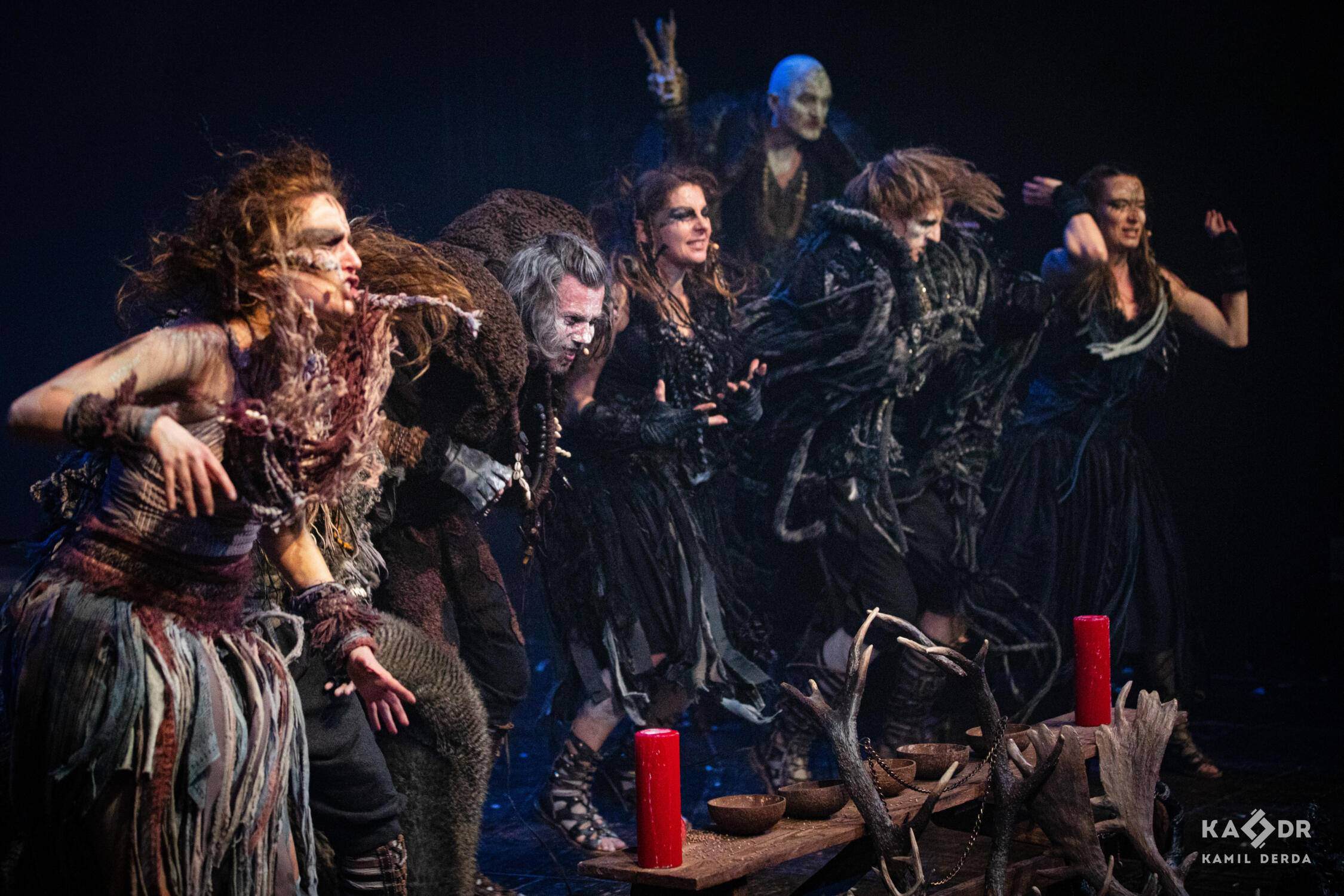
Adam Mickiewicz is widely considered Poland’s equivalent to Shakespeare. His play Dziady is split into four parts, the second of which inspires this ritualistic, highly visual performance. Created by Song of the Goat Theatre founder Grzegorz Bral and performed in Polish, excellent design and heightened emotion communicate universal feelings around death and grief despite the language barrier.

Continue reading