Safari, London and touring

by Laura Kressly

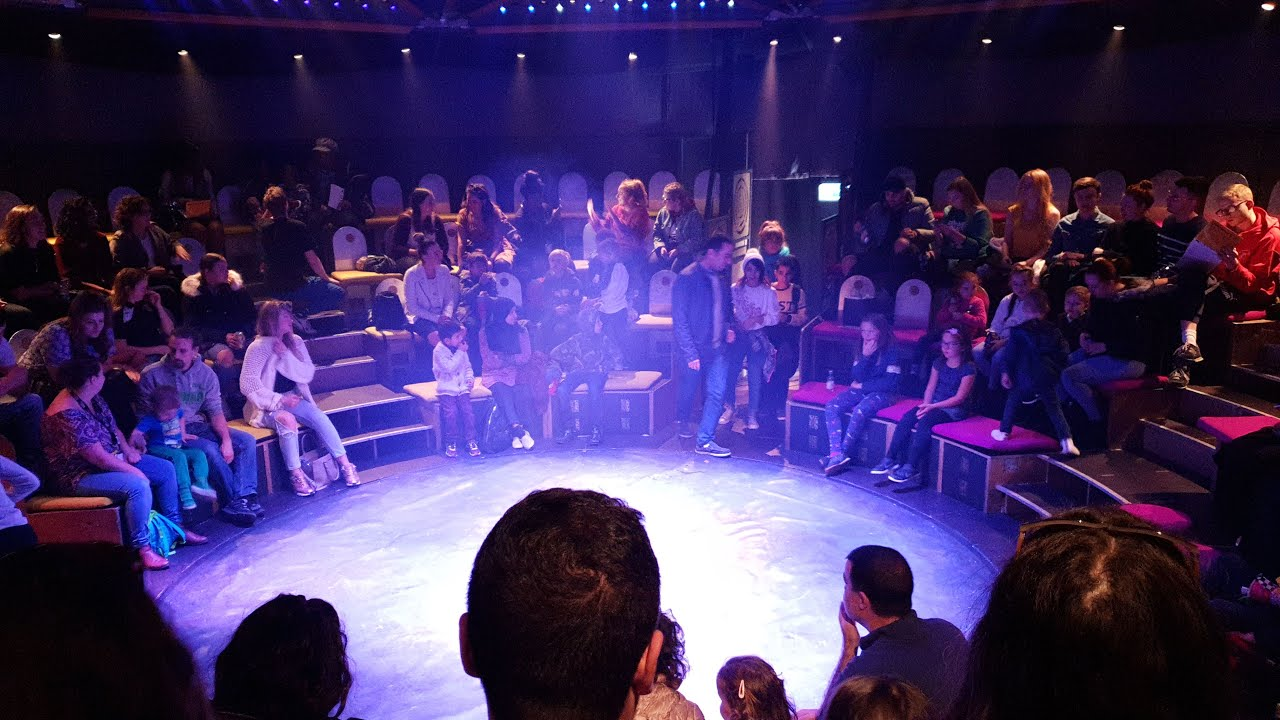
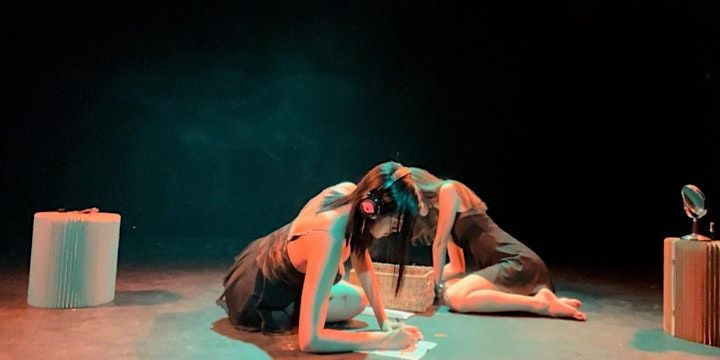
Safaris evoke the dynamic of the self and the other, the watcher and the watched. As an activity, it has a colonial legacy where the ‘civilised’ travel to faraway lands to observe ‘exotic’ people and wildlife in their native habitat. More widely, considering safari’s aspect of watching, it links to the gendered phenomenon of the male gaze. In this short performance piece-cum-installation, these differing, contemporary conceptualisations of the safari converge, prompting the audience to consider how women’s bodies – especially those from the Global Majority – are exoticised, othered and preyed on in a white supremacist, heteropatriarchal society.

Continue reading
Lightening Ridge, Edinburgh Festival Fringe

by an anonymous guest critic

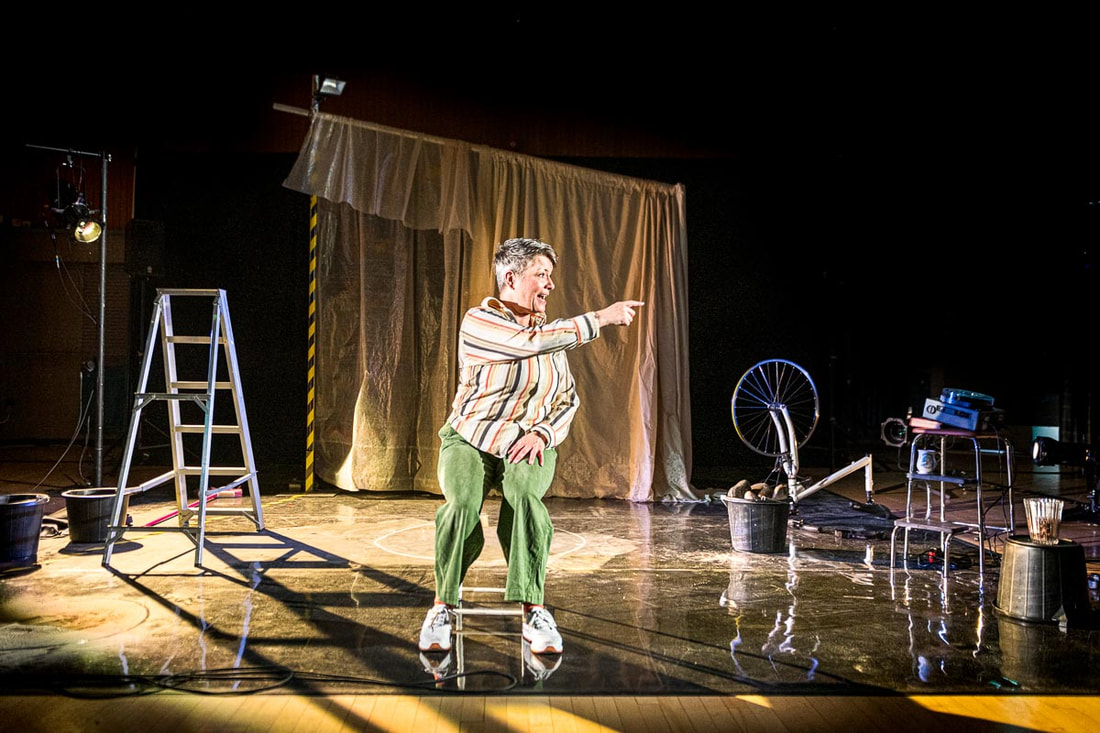
Lightning Ridge is a playfully-told family show about a rural Australian mining community. The trouble starts when Kelly-Ann’s two imaginary friends go missing, and the whole village has to come together to find them.

Continue reading

Help Yourself, Edinburgh Festival Fringe

by Laura Kressly

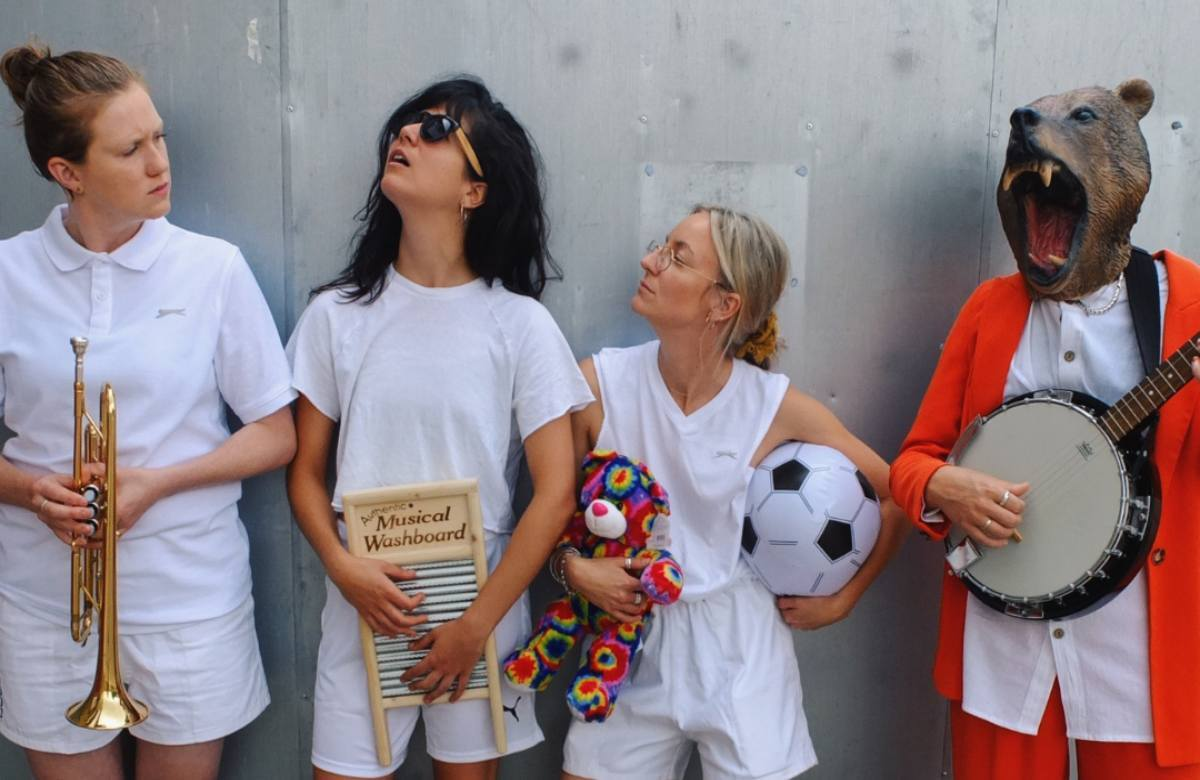
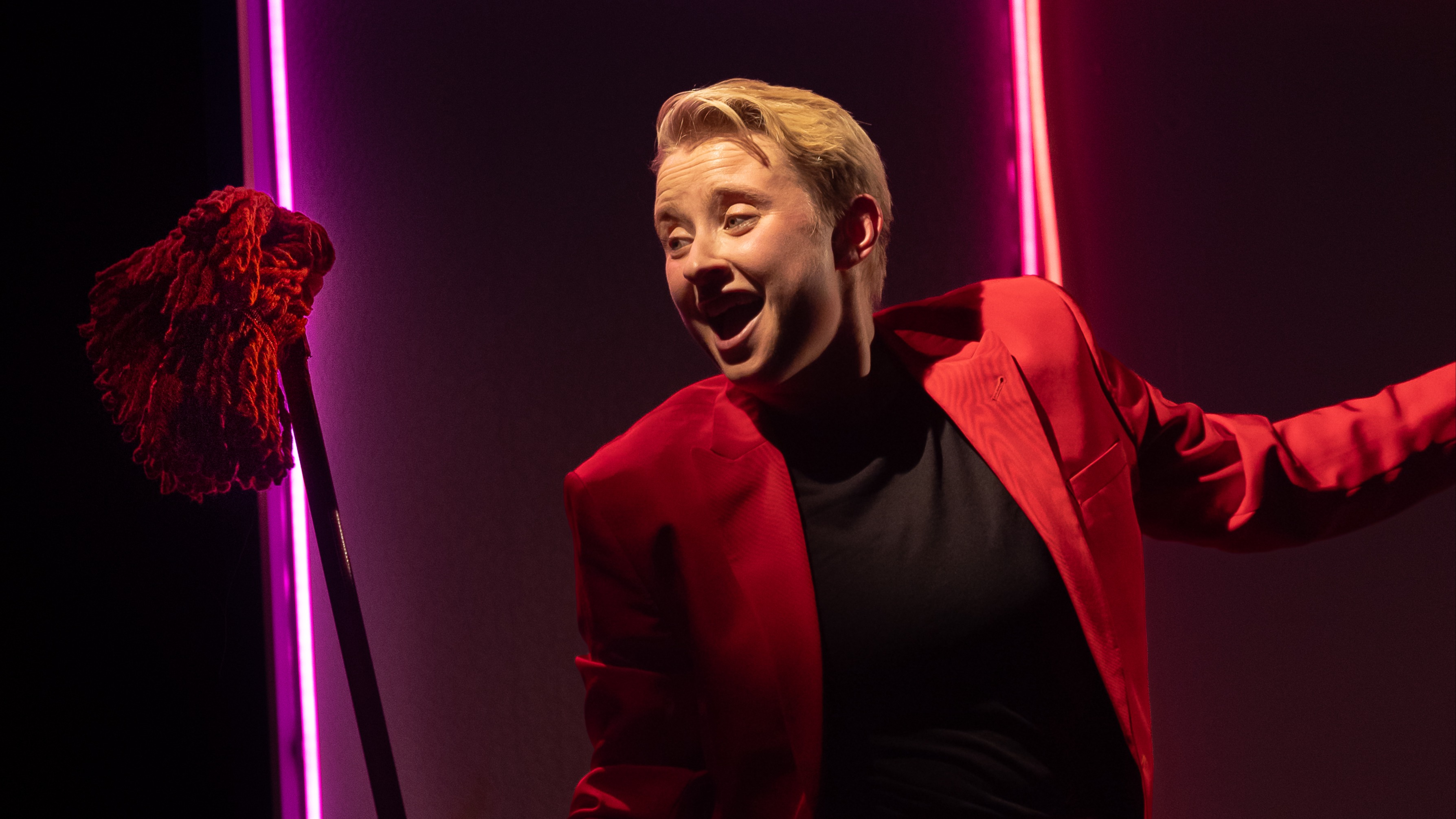
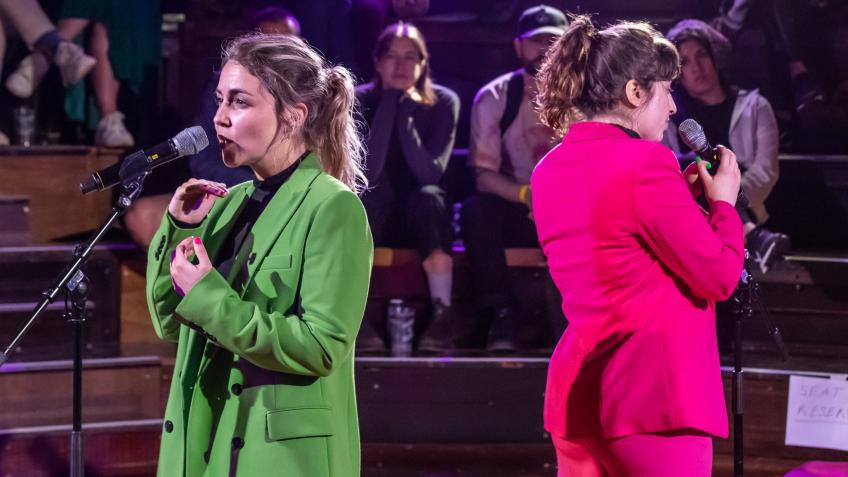
Jess and Victoria are best pals and girlbosses extraordinaire. As a response to what they see as too much sadness in the world, they’ve developed a five-step approach to “change ourselves and those around us”. The satire of self-help seminars, relentless positivity in the face of personal and societal collapse, and late-stage capitalism’s grifter culture is smart and initially silly, but underpinned by a serious message.

Continue reading

Gunter, Edinburgh Festival Fringe

by an anonymous guest critic

This show is the very modern telling of a witch trial that you’ve likely never heard of. In 1605, in a small town in Oxfordshire after an altercation at a football match, Brian Gunter tries to get his neighbour Elizabeth Gregory hung as a witch, blaming his daughter Annie’s mysterious illness on her. Without wanting to spoil the story, it doesn’t quite work out as he planned.

Continue reading

Nan, Me, and Barbara Previ, Edinburgh Festival Fringe

by an anonymous guest critic

Hannah Maxwell is back at the Fringe with her second show after 2019’s charming I, AmDram. This one is similar. It’s about what happened next for Hannah – moving back to Luton to care for her recently bereaved grandma. A show about 30-something angst, obsession and stalking should not be charming, but Maxwell manages to make it so. 

Continue reading

When We Died, Edinburgh Festival Fringe

by an anonymous guest critic

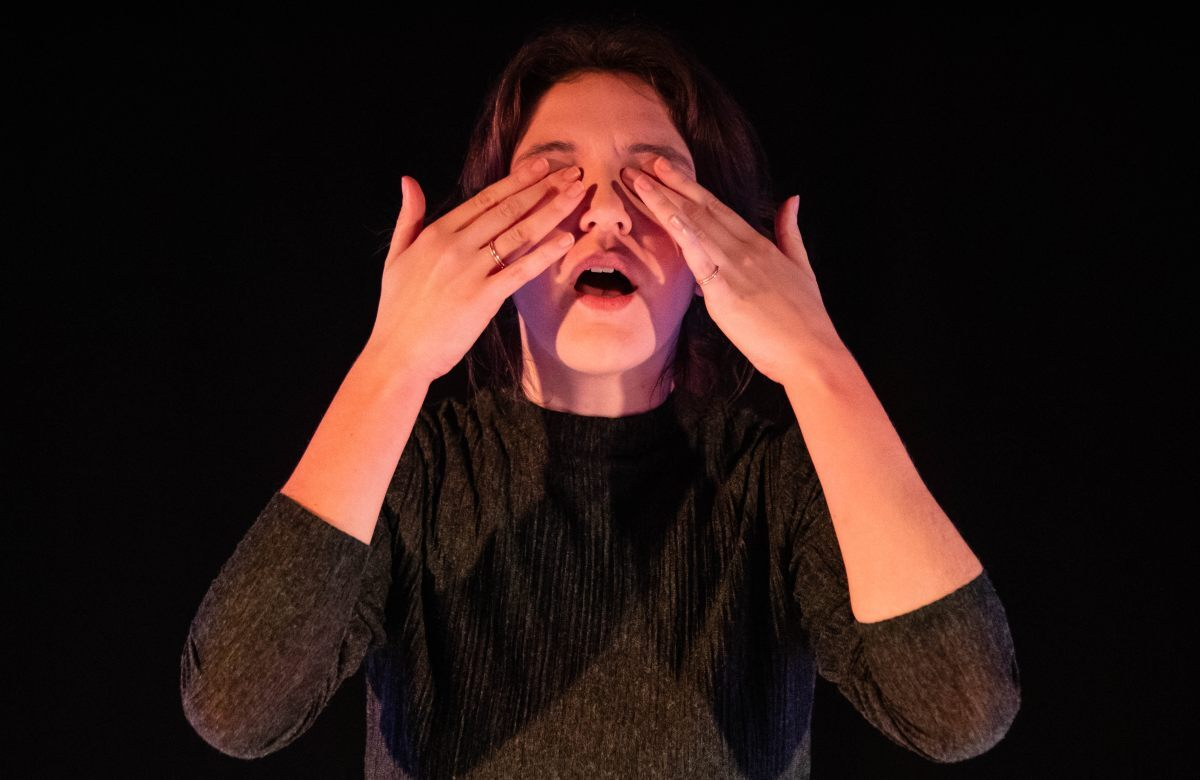
Working in a funeral home is no fun, but it’s even worse when you encounter somebody you knew while at work. For Rachel, it is the body of a man who sexually assaulted her 11 months ago – a nightmare scenario if ever there was one. Rachel is more calm and professional than anybody could believably expect in these circumstances. As she begins the process of embalming, she recounts the story to the audience whilst working through her feelings of anger, guilt and frustration, and of how she drove her family away and retreated from the world.

Continue reading

Gusla, Edinburgh Festival Fringe

by Laura Kressly

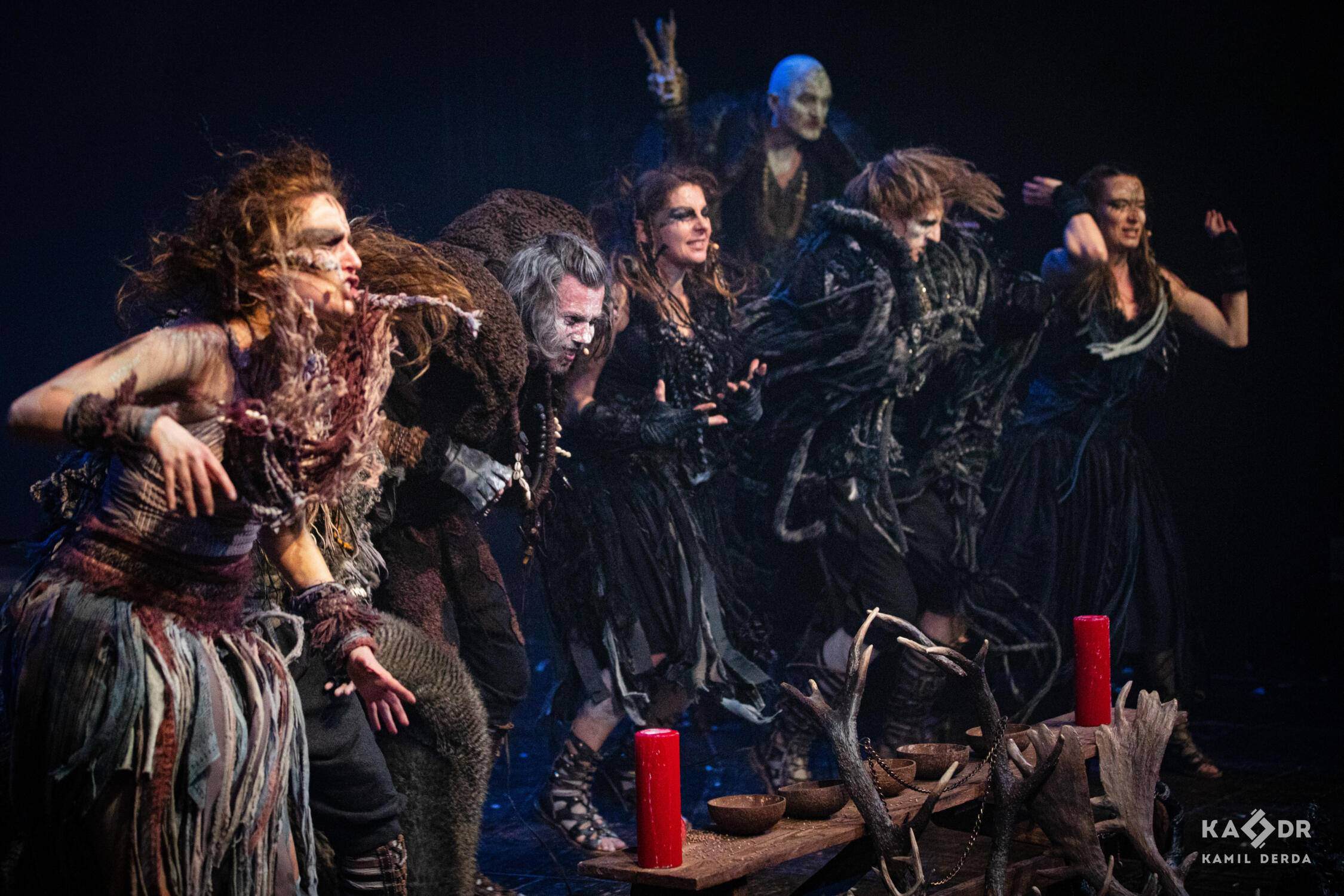
Adam Mickiewicz is widely considered Poland’s equivalent to Shakespeare. His play Dziady is split into four parts, the second of which inspires this ritualistic, highly visual performance. Created by Song of the Goat Theatre founder Grzegorz Bral and performed in Polish, excellent design and heightened emotion communicate universal feelings around death and grief despite the language barrier.

Continue reading

Paines Plough Roundabout, Edinburgh Festival Fringe

by Laura Kressly

After several hard years, Paines Plough’s popup theatre’s programme seems to know that our fractured, individualistic society needs some love and care. Six of this year’s shows reflect this: characters feeling lost, adrift or unfulfilled are desperately searching for someone or something to cling onto and give them purpose, or to help them feel less alone.

Continue reading

Tones: a hip-hop opera, Edinburgh Festival Fringe

by Laura Kressly

Immensely intelligent Jerome has always struggled to find his place in the world. He was too poor to go to private school like his best friend Henry, but at secondary school he got bullied for sounding white and talking posh. This coming-of-age monologue navigates growing up when you don’t quite fit in on the estate in Harlesden, at the shop where you work, or at the competitive uni out of town.

Continue reading

JM Coetzee’s Life & Times of Michael K, Edinburgh Festival Fringe

by Laura Kressly

The South African companies Handspring Puppet Company and the Baxter Theatre have a world-renown reputation for puppetry and theatre, respectively. In this adaptation of the JM Coetzee novel, the puppetry is as good as anticipated, but the two hour-long, rambling story pushes the limits of audience patience and dulls the effect of the show’s message.

Continue reading