
by Laura Kressly
After several hard years, Paines Plough’s popup theatre’s programme seems to know that our fractured, individualistic society needs some love and care. Six of this year’s shows reflect this: characters feeling lost, adrift or unfulfilled are desperately searching for someone or something to cling onto and give them purpose, or to help them feel less alone.
Solo show Bullring Techno Makeout Jamz and mostly-solo Lady Dealer each feature a main character who feels the burning absence of a partner. In Bullring, fine art graduate Nathaniel walks us through his approach to dating. He takes date preparation seriously, as the young man desperately wants to find The One even though he has an otherwise rich life filled by family, friends and his barber. As written and performed by Nathan Queeley-Dennis, Nathaniel seems like one of the rare, genuinely good guys out there. The audience is immediately on his side and roots for him to find his Beyonce, which makes the obstacles he encounters all the more devastating. Queeley-Dennis’ charisma and charm, and the script’s detailed characterisation, mean this one of the stronger plays of this season and a highlight of the Fringe. Lady Dealer’s Charly espouses love for her job – she’s one of the best dealers in Peckham – though the love of her life, Chloe, is recently an ex. Speaking in poetry by Martha Watson Allpress, Charlie is assertive and confident until her phones die in a power cut. Alone with her thoughts and feelings, she has to reckon with everything that she normally buries with work. Class, education, and family are featured topics that add detail to the story, as is mental health, but Charly’s immaturity means these are mostly glossed over. The quick ending and introduction of another character dilute some of the concentrated impact that Charly packs in her intensity, so the overall sense of urgency is dulled.
Polko by Angus Harrison and Bangers by Danusia Samal both deal in haunting memories from the past and a stuck-ness in the present. The narratively-clearer Polko shows two old friends – Emma and Joe – reconnecting after Emma moves back home. Do they fancy each other, or are they just lonely? And, where has there other mate Polko gone since he disappeared several months ago? Their chemistry is sparky and tension develops well as they work out how to relate to each other again after many years apart. Yet a third character, Joe’s mum’s ex, is underused and the end of the play fizzles out. In Bangers, two characters with parallel storylines try to find themselves independent from those they love. Though not unlike Lady Dealer in this regard, Samal’s gig theatre dramaturgy is quite the contrast; an onstage DJ is an omniscient narrator who announces the scenes as album tracks. There are great tunes and the actors multi-role well, though there is some confusion about when Clef and Aria meet for the first time, and whether or not they’ve had a romantic relationship, that results from an ambiguous beginning. This wouldn’t be an issue except for the age difference between the characters and the play already dealing with grooming.
Eve Leigh’s Salty Irina and Strategic Love Play by Miriam Battye provide glimpses of hope and connection in a fractured world. In Salty Irina, two women fall in love and decide to infiltrate a nazi festival in the hope of finding out who is behind the murders of global majority people in their university town. Their relationship is youthful and euphoric, and their navigation of the festival nail-bitingly tense. The ending message on activism inspires hope and a sense of community – again, something that can bring people together and combat isolation. On the surface, Strategic Love Play is somewhat less optimistic. It follows a heterosexual couple on their first date; he’s fairly nondescript whereas she preempts disappointment and offers to get straight to the inevitable dull reality that follows the initial, heady highs of romance. Battye’s searing banter is highly intelligent and unpredictable. If meta-dating exists, this is it and it’s immensely funny. It’s also challenging in its cynicism. No doubt those exhausted by the dating app hamster wheel could feel a tempting tug to just give up and settle, since people always change and couples always end up unhappy anyway. Yet, underneath the defensive exterior there is immense vulnerability, and its flickering appearances are proper theatre magic. This genuine connection with another person is just the thing we need right now.
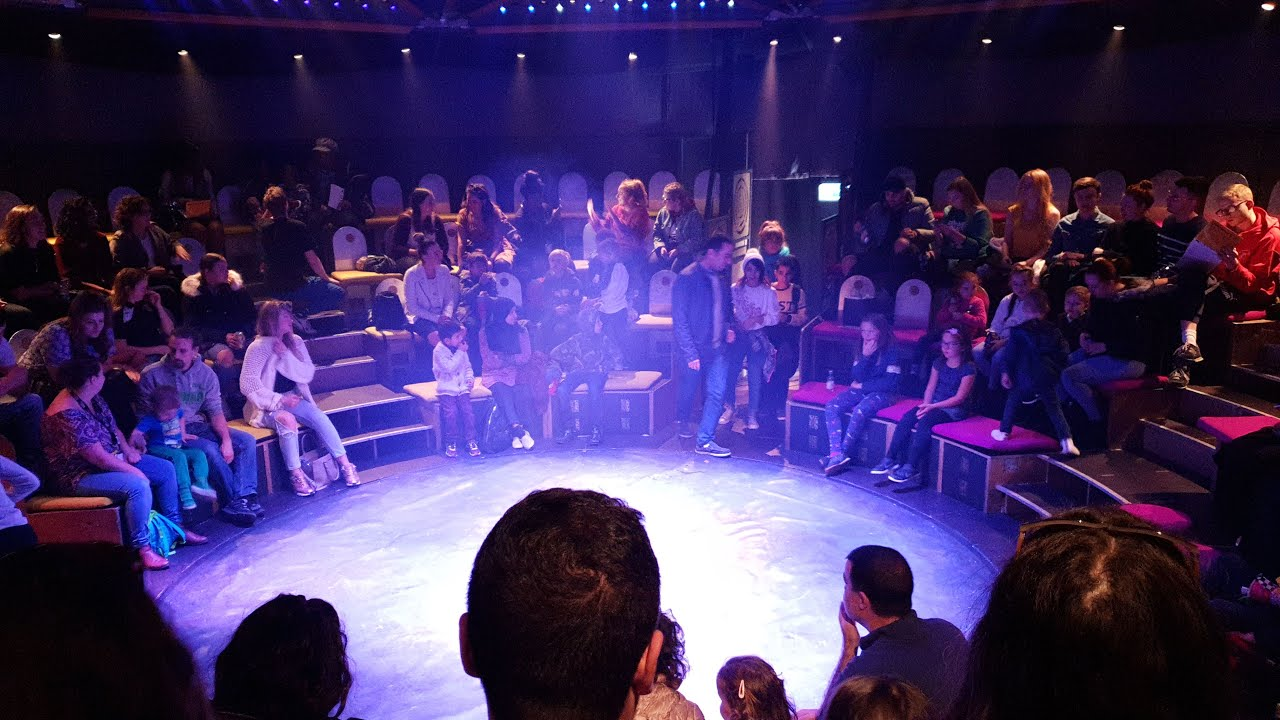
The Paines Plough Roundabout season runs through 27 August.
The Play’s the Thing UK is committed to covering fringe and progressive theatre in London and beyond. It is run entirely voluntarily and needs regular support to ensure its survival. For more information and to help The Play’s the Thing UK provide coverage of the theatre that needs reviews the most, visit its patreon.
 The Play's The Thing UK